When is Holy Week 2026?
In 2026, the observance of Holy Week differs according to the Christian calendar being followed.
For many Western Christians, Holy Week commences on March 29 with Palm Sunday and culminates in Easter Sunday on April 5.
For Orthodox Christians, who adhere to a different liturgical calendar, Holy Week begins later—on April 6 with Palm Sunday and concludes with the celebration of Easter, or Pascha, on Sunday, April 12.
In 2026, Holy Week falls on different dates depending on the Christian tradition:
Western (Roman Catholic & most Protestant churches)
- Palm Sunday: March 29, 2026
- Holy Week: March 29 – April 4, 2026
- Easter Sunday: April 5, 2026
Eastern Orthodox Churches
- Palm Sunday: April 5, 2026
- Holy Week: April 5 – April 11, 2026
- Easter (Pascha): April 12, 2026
The difference is due to the use of distinct liturgical calendars for calculating Easter.
PALM SUNDAY
29 March 2026
Passion of the Lord – Commemoration of the Lord’s Entrance into Jerusalem and Holy Mass – at 10:00 a.m.
HOLY THURSDAY
2 April 2026
Holy Thursday – Chrism Mass – at 9:30 a.m.
Holy Thursday – Evening Mass of the Lord’s Supper – at 17:30
HOLY SATURDAY
4 April 2026
Easter Vigil in the Holy Night of Easter – at 21:00
HOLY WEDNESDAY
1st April 2026
General Audience – at 10:00 a.m.
HOLY FRIDAY
3 April 2026
Celebration of the Passion of the Lord – at 17:00
Way of the Cross – at 21:15
EASTER SUNDAY
5 April 2026
Holy Mass on Easter Day – at 10:15 a.m.
“Urbi et Orbi” Blessing – at 12:00 p.m.
Holy Week: A Journey Through Christ’s Passion
Holy Week is a significant period in the Christian liturgical calendar that draws believers into a profound reflection on the last days of Jesus Christ. It commences with Palm Sunday and culminates in Easter Sunday, encapsulating a narrative that represents the profound moments of Jesus’s final days on Earth. This week serves as a pivotal time for Christians across the globe, allowing them to observe the events of Christ’s Passion, which include His suffering, crucifixion, and resurrection.
The observance of Holy Week is not merely a historical reflection; it is a spiritual journey that encourages followers to engage intimately with the themes of sacrifice, redemption, and resurrection. Each day of Holy Week has its own significance and rituals, from the joyous celebration of Palm Sunday to the solemnity of Good Friday. Palm Sunday marks Jesus’s triumphant entry into Jerusalem, celebrated with the waving of palm branches. Maundy Thursday commemorates the Last Supper, where Jesus shared a meal with His disciples and instituted the sacrament of communion, reminding believers of His enduring presence and covenant.
As the week progresses, Christians reflect on the anguish and suffering that came with Good Friday, observing the crucifixion of Jesus—a moment that embodies the depth of His sacrifice for humanity. Finally, the dawn of Easter Sunday symbolizes the cornerstone of Christian faith: the resurrection of Jesus. This victory over death is the fulfillment of hope and the promise of eternal life for believers.
In this blog post, we undertake an exploration of the key events of Holy Week, offering insights into their meaning and significance. Through this journey, we aim to deepen the understanding of Christ’s Passion and its importance in the lives of Christian believers worldwide.
Palm Sunday: The Triumphal Entry
Palm Sunday marks the beginning of Holy Week and commemorates the triumphant entry of Jesus into Jerusalem. This significant event is detailed in the Gospels, depicting a grand arrival that heralded the final days of Christ leading to His crucifixion and resurrection. As Jesus approached the city, crowds gathered, spreading palm branches and their garments on the road, an act symbolizing respect, honor, and joyous welcome. The use of palm branches particularly holds rich biblical symbolism; in ancient times, they represented victory and peace, making this occasion especially poignant as it foreshadowed the ultimate victory that Jesus would achieve over sin and death.
The reactions of the crowds during this event are particularly noteworthy. Many in the multitude hailed Jesus as a prophet, chanting, “Blessed is he who comes in the name of the Lord!” This proclamation not only acknowledged His authority but also connected Him to the expectations of the Messiah, as foretold in the prophecies of the Old Testament. The exuberance of the people laid the foundation for a stark contrast to the events that would unfold later in the week, as they vacillated between acclaim and condemnation.
From a prophetic standpoint, Palm Sunday holds great significance within the context of Holy Week. It fulfills the prophecy found in Zechariah 9:9, which foretold that the King would come to Zion in humility, riding on a donkey. This act embodies Jesus’ mission to bring salvation, not through military might or political power, but through love and sacrificial service. Thus, Palm Sunday serves as a profound reminder of the expectations placed upon Jesus and the ways in which He exceeded them, culminating in His ultimate sacrifice. As believers reflect on this event, the triumphal entry stands as a testimony to faith, hope, and the sovereignty of Christ even amidst the impending trials of the subsequent days.
Maundy Thursday: The Last Supper
Maundy Thursday, known for commemorating the Last Supper, marks a significant turning point in the Christian liturgical calendar. This day is remembered for the profound events that unfolded during the final meal shared by Jesus and His disciples before His crucifixion. As recounted in the Gospels, one of the most striking moments is when Jesus performs the act of washing the feet of His disciples. This act serves as a powerful symbol of humility and service, demonstrating that true leadership is rooted in selfless actions and love for others.
During the Last Supper, Jesus also instituted the Eucharist, providing His followers with a lasting ritual that would symbolize His sacrifice. The breaking of bread and sharing of wine became pivotal elements of Christian worship, reminding believers of Jesus’s body and blood given for humanity. This sacred act invites reflection on themes of sacrifice and communion, fostering a sense of unity among believers through the shared remembrance of His passion.
The teachings of Jesus during the Last Supper emphasize service, as he instructs His disciples to love one another as He has loved them. This directive serves not only as a commandment but as a guiding principle for Christian behavior. Maundy Thursday, therefore, encapsulates the essence of Jesus’s message regarding humility, love, and dedication to serving others as He exemplified throughout His ministry.
As followers participate in Maundy Thursday services, they engage in rituals that commemorate the Last Supper, reflecting on their own responsibilities to embody the principles of service and humility that Jesus provided. It is a time for deep introspection and commitment to live out these teachings in everyday life.
Good Friday: The Crucifixion
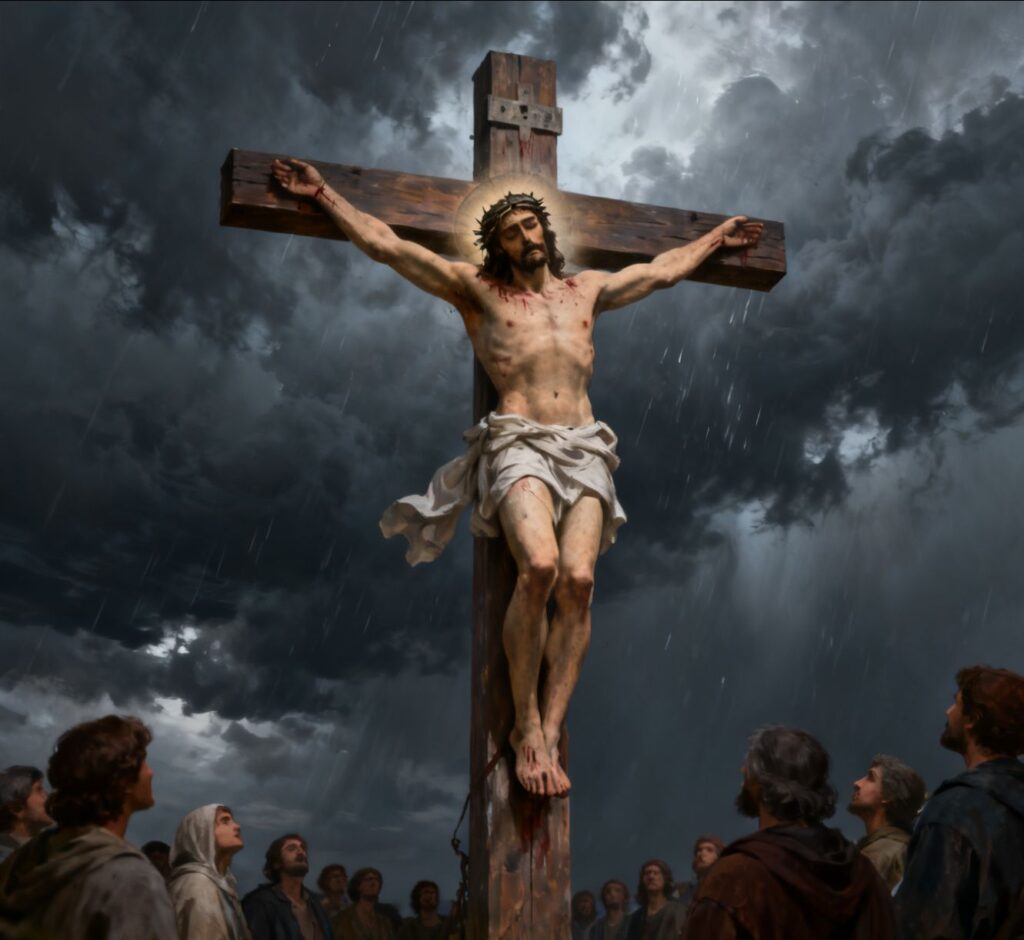
Good Friday marks a pivotal moment in the Christian faith, commemorating the crucifixion of Jesus Christ. It is a day of solemn reflection, as believers remember the events leading to His death. The trial of Jesus, which precedes His crucifixion, is characterized by a series of unjust judgments and political manipulation, leading to His sentence of death. The Gospel accounts depict a scene of turmoil where Jesus is falsely accused, enduring humiliation and agony at the hands of both religious leaders and Roman authorities.
The crucifixion itself occurs at Golgotha, a site deeply significant in Christian theology. The cross, as a symbol, transcends the historical event; it embodies the concept of ultimate sacrifice. Christ’s death represents the fulfillment of prophecies and serves as the cornerstone of salvation for believers. Through His crucifixion, Jesus bears the sins of humanity, offering redemption and reconciliation with God. The theology surrounding this event highlights the profound implications of sacrifice, emphasizing that His suffering was not in vain but essential for humanity’s liberation from sin.
The emotional response of Jesus’ disciples and followers during Good Friday is one of deep sorrow and despair. Witnessing their leader’s crucifixion provokes feelings of helplessness and grief, challenging their faith and hopes for a Messiah. The ultimate irony lies in the contrast between their expectations for a triumphant king and the reality of His suffering. This state of emotional upheaval serves as a dimension of Good Friday, where mourning intertwines with a glimmer of future hope through resurrection. Overall, Good Friday invites believers to reflect on both the depth of Christ’s sacrifice and its enduring significance in the journey of faith.
Holy Saturday: The Time of Waiting
Holy Saturday is a significant day within the liturgical timeframe of Holy Week, serving as a transition between the sorrow of Good Friday and the joyous celebration of Easter Sunday. Often characterized by a profound sense of quietude and reflection, this day symbolizes a time of waiting and contemplation for many Christians. The church remains solemn as it acknowledges the period of mourning for the death of Jesus Christ and the anticipation of His resurrection.
The essence of Holy Saturday is intertwined with themes of hope and preparation. Following the intensity of the Passion narrative, believers find themselves in a state of limbo where the reality of Christ’s sacrifice looms large yet the promise of resurrection is on the horizon. This day allows individuals to ponder the significance of Christ’s death, as well as the virtues of humility and patience. For many, it becomes a moment to reflect on personal loss and the profound impact it has on their faith.
The silence of Holy Saturday also invites practitioners to engage in inner contemplation and prayer. Churches often conduct an Easter Vigil later in the evening, which serves to transition from the sorrow of crucifixion to the joy of resurrection. Participants can prepare spiritually through scripture readings, prayers, and the lighting of the Paschal candle, symbolizing the light of Christ coming into the world. This period of waiting, while solemn, ultimately sets the stage for the triumphant victory of Easter, reminding believers of the importance of faith during times of uncertainty.
Easter Sunday: The Resurrection
Easter Sunday marks a pivotal moment in Christian belief, as it celebrates the resurrection of Jesus Christ, a cornerstone of faith for millions around the world. This day signifies not only the triumph over death but also the promise of eternal life for all who believe. According to the Gospel narratives, after Jesus was crucified, buried, and laid in the tomb, His resurrection occurred on the third day, fulfilling the prophecies and affirming His divine nature.
As dawn broke on that first Easter morning, Mary Magdalene and other women went to the tomb to anoint Christ’s body. To their astonishment, they discovered the stone had been rolled away, and the tomb was empty. An angel announced to them, “He is not here; He has risen!” This joyful proclamation initiated a profound transformation, as the women hurried to share the remarkable news with the disciples, igniting a wave of disbelief and wonder.
The reactions of the disciples varied, ranging from skepticism to elation. Initially, many struggled to comprehend the enormity of the resurrection; however, encounters with the risen Christ dispelled their doubts. Notably, one of the most significant appearances was to Peter, followed by moments with the entire group, where Jesus offered reassurance and guidance. The resurrection served as a pivotal point that galvanized the disciples into bold proclamation of the Gospel.
The implications of Easter Sunday extend far beyond that historical event. For believers, the resurrection is a validation of Jesus’s claims about God, self, and life after death. It signifies hope, renewal, and the possibility of transformation. Through the resurrection, Christians find assurance in their faith and the hope of life beyond the grave, fostering a deep and abiding sense of purpose and community among those who follow Christ.
Themes of Holy Week: Triumph and Betrayal
Holy Week is a pivotal period in Christianity, marked by profound emotional and spiritual complexities that resonate throughout its timeline. Central to these experiences is the juxtaposition of triumph and betrayal, two themes that serve as the foundation for understanding the significance of this sacred week. The story unfolds with triumphant moments, most notably during Palm Sunday, where Jesus is greeted with reverence as he enters Jerusalem. This initial adulation symbolizes hope and victory, as crowds celebrate his arrival, proclaiming him as King.
However, the atmosphere shifts dramatically as betrayal looms. The betrayal by Judas Iscariot, one of Jesus’ own disciples, becomes a defining moment in the narrative. This act of treachery reveals the darker side of human nature, contrasting sharply with the earlier celebrations. Judas’s motivations, often debated among scholars, highlight the complexities of loyalty, faith, and the human condition. It raises essential questions about the nature of betrayal itself and the consequences that follow.
Throughout Holy Week, the tension between these themes becomes increasingly palpable. The Last Supper, which occurs on Maundy Thursday, signifies both the establishment of a new covenant and the impending betrayal. This duality is further emphasized in Gethsemane, where Jesus experiences profound anguish over his fate, reflecting the human struggle with destiny, sacrifice, and redemption.
As we progress to Good Friday, the themes of triumph and betrayal culminate in the crucifixion of Jesus. This event, profound in its tragic sense, embodies the ultimate sacrifice for humanity’s sins, showcasing how betrayal can lead to extraordinary acts of love and redemption. Holy Week invites believers to reflect on this dynamic interplay, acknowledging the reality of human frailty while embracing the hope that emerges from Christ’s passion and resurrection.
Cultural Traditions Around Holy Week
Holy Week, a significant period in the Christian liturgical calendar, is marked by various cultural traditions and rituals that vary across denominations and geographic regions. These observances not only serve as expressions of faith but also reflect the rich tapestry of cultural heritage among different communities.
One of the most prominent traditions is the observance of processions, particularly during Palm Sunday, which commemorates Jesus’ triumphant entry into Jerusalem. In many Latin American countries, such as Mexico and Guatemala, these processions are marked by elaborate floats and participants dressed in traditional garments. Similarly, in Spain, Semana Santa (Holy Week) is famous for its solemn processions featuring penitents and religious statues, which are meticulously prepared throughout the year.
Fasting during Holy Week is another common practice, particularly within Orthodox and Catholic communities. The purpose of fasting is to reflect on the sacrifices that Jesus made, promoting spiritual discipline and self-control. In the Eastern Orthodox tradition, the week leading up to Pascha (Easter) includes strict fasting, with many adherents abstaining from all animal products. In contrast, some Protestant denominations might observe a form of fasting or abstinence on specific days, emphasizing repentance and spiritual renewal.
Unique customs also enrich the observance of Holy Week. For example, in the Philippines, the “Salubong” ritual takes place on Easter Sunday morning, symbolizing the meeting of the risen Christ and his mother, Mary. Additionally, the practice of reenacting the Passion of Christ is prevalent in various cultures, such as the famous Oberammergau Passion Play in Germany, highlighting the global commitment to commemorating Christ’s suffering and resurrection.
These diverse traditions reflect a myriad of interpretations and expressions of faith, enriching the observance of Holy Week across different Christian denominations and communities worldwide.
Reflecting on Holy Week: Personal and Spiritual Growth
Holy Week serves as a significant period of reflection, mourning, and profound spiritual contemplation for Christians around the world. During this special time, believers are encouraged to engage deeply with the narrative of Christ’s Passion. The themes that emerge from the Gospels, such as sacrifice, forgiveness, and renewal, offer vital opportunities for personal growth and spiritual development.
The concept of sacrifice is central to the events leading up to Easter. As followers of Christ, individuals are called to examine their own lives to understand what sacrifices they might need to make for the betterment of themselves and their communities. This may involve relinquishing negative habits, rekindling relationships, or committing to acts of charity. Recognizing the enormity of Christ’s sacrifice can inspire a renewed commitment to serve others and to live in a manner that reflects Christian values.
Similarly, the theme of forgiveness underscores the transformative power of letting go of grudges and past grievances. Holy Week invites individuals to reflect on their need for forgiveness—both in seeking it from others and in extending it to those who have wronged them. This process can lead to emotional healing and deeper connections with loved ones, contributing to overall well-being.
Furthermore, renewal is a vital aspect of Holy Week that symbolizes a fresh start. As Easter approaches, the themes of redemption and resurrection encourage individuals to pause and assess their spiritual journey. This period represents a chance to renew faith, embrace hope, and embark on new beginnings. Emphasizing an optimistic outlook on life can foster resilience amidst challenges, encouraging believers to rise above difficulties just as Christ arose from the tomb.
In conclusion, reflecting on the lessons of Holy Week invites profound personal and spiritual growth. By embracing the themes of sacrifice, forgiveness, and renewal, individuals can strive to become better versions of themselves, embodying the essence of Christ’s teachings in their daily interactions and spiritual practices.
A Prayer for Holy Week
Heavenly Father,
As Holy Week unfolds, quiet my heart and draw me closer to You.
Help me walk prayerfully through these sacred days —
from the shouts of Hosanna to the silence of the cross.
Lord Jesus,
teach me humility as I remember Your entry into Jerusalem.
Teach me service as I reflect on the washing of feet.
Teach me surrender as I stand beneath the shadow of Calvary.
When I am tempted to turn away from sacrifice,
remind me of Your boundless love.
When I feel lost or discouraged,
let the promise of the empty tomb give me hope.
Cleanse my heart, renew my spirit,
and deepen my gratitude for the gift of salvation.
May this Holy Week transform me —
that I may rise with You in faith, love, and new life.
Amen.