Two Americans were among 19 suspected communist guerrillas killed in clashes with government troops in Negros Occidental earlier this week, while a separate encounter in Capiz left one soldier dead and another wounded in fighting with remaining rebel forces.
MANILA, Philippines — Two Americans were among 19 suspected communist guerrillas killed in a series of clashes with Philippine government troops in Negros Occidental province earlier this week, according to the National Task Force to End Local Communist Armed Conflict.
The task force said the fighting broke out on April 19 in the coastal town of Toboso, where soldiers encountered members of the New People’s Army (NPA), the armed wing of the Communist Party of the Philippines. The United States and the Philippines have both designated the NPA as a terrorist organization.
Identified by the National Task Force to End Local Communist Armed Conflict as Lyle Prijoles, reportedly affiliated with Anakbayan-USA, and Kai Dana-Rene Sorem, both arrived in the country in March 2026.
READ MORE ARTICLES:
- House Prosecutors: Cayetano’s Objection Will Not Stop Subpoenas for VP Sara Duterte’s Financial Records
- AMLC Findings Link Alleged $5-Million Cornell Donation to Martin Romualdez
- Ombudsman Files Fourteen Graft Cases Against Congressman Over Contract Links Today
- Cebu Authorities Seize Unregistered Korean Luncheon Meat Worth ₱700,000 From Grocery Store
- Filipinos Expect President Marcos to Address Corruption and Rising Living Costs
- MANILA: Dapat Unahin Gobyerno Pagtatayo Ng Silid-Aralan Para Sa Mga Estudyante Ngayon
- CEBU: Sinuspinde LTO Lisensya ng Alkalde Matapos Viral Aksidente sa Kalsada
Officials said troops from the 79th Infantry Battalion launched the operation in Barangay Salamanca following tips from residents. Among those killed was rebel commander Roger Fabillar, who carried a ₱1 million bounty.
On April 19, 2026, in Toboso, Negros Occidental, officials have confirmed the identities of some among the 19 people who died in the incident. Although the full official list of all victims has yet to be published, 14 of those killed have been named in local reports from sources including the K5 Escalante Digital News Desk and the Philippine National Police Regional Office.
- Lyle Prijoles: American national and activist affiliated with Anakbayan-USA.
- Kai Dana-Rene Sorem: American national.
- Roger Fabillar (alias Jong Tapang/Arnel): Alleged leader of the NPA Northern Negros Front with a P1 million bounty.
- R.J. Nichole Ledesma: 30-year-old journalist and former Kabataan Partylist nominee from Bacolod City.
- Alyssa Alano: Student leader from the University of the Philippines Manila.
- Maureen Keil Santuyo: Teacher at the University of the Philippines.
- Roel Sabillo: 19-year-old resident of Barangay Tabunac, Toboso.
- Rene Villarin Sr.: 67-year-old resident of Barangay Marcelo, Calatrava.
- Maria Clarita Branzuel Blanco: Teacher from Tabogon, Cebu.
- Sonny Boy Manayon Caramihan: 28-year-old resident of San Carlos City.
- Pedro Agustin Bonghanoy: 32-year-old resident of Escalante City.
- Jocel Gimang: 18-year-old resident of Escalante City.
- Alejandro Montoya: 33-year-old resident of Victorias City.
- Arnel Mahilum Javoc: 32-year-old resident of Calatrava.
- Jenebabe Balora: Resident of Bacolod City.
- Errol Wendel Chen: Resident of Makati City.
While all remains have been recovered and identified, the full list has not been officially released. Other individuals named include local residents Roel Sabillo and Rene Villarin Sr., as well as youth leaders and student activists cited by human rights groups.
Undersecretary Ernesto Torres Jr., executive director of the anti-insurgency task force, identified the two Americans killed as Lyle Prijoles and Kai Dana-Rene Sorem. Torres said the two arrived in the Philippines in March and were believed to have traveled to Negros Occidental shortly before the encounter.
“All 19 individuals have been identified and their remains turned over to their respective families,” Torres said. He described the presence of foreign nationals in an active combat zone as a “disturbing convergence,” warning that involvement in certain networks or activities could lead to unintended exposure to dangerous environments.
The task force also cautioned Americans of Filipino descent against what it called “terror-grooming” efforts by left-wing groups allegedly recruiting supporters abroad for the insurgency.
Military officials said the clash erupted after troops acted on information from villagers about armed rebels in the area. Authorities reported that a rebel commander with a 1 million peso ($16,600) bounty was among those killed. One government soldier was wounded in the fighting. Security forces said they recovered 24 firearms and captured an unspecified number of fleeing guerrillas.
However, human rights organizations disputed the official account and called for an independent investigation. The National Union of People’s Lawyers said civilians were among those killed, including a student leader from the University of the Philippines, two local farmers’ rights advocates, and a community journalist.
“We call on the international community to monitor this case closely,” the group said, alleging a continuing pattern of violations of international humanitarian law in rural areas.
The U.S. Embassy in Manila has not yet issued a public statement on the deaths.
The decades-old communist insurgency in the Philippines, once estimated to have had about 25,000 fighters at its peak, has significantly weakened in recent years. Security officials say the number of active rebels has dropped to fewer than 900 due to sustained military operations, internal divisions, and surrenders.
Previous peace talks brokered by Norway collapsed during the administration of former President Rodrigo Duterte after both sides accused each other of continuing attacks despite ongoing negotiations.
Soldier Killed, Another Wounded in Clash with NPA Remnants in Capiz
A Philippine Army soldier was killed and another wounded in two armed encounters with remnants of the New People’s Army (NPA) in Barangay Agpalali, Tapaz, Capiz on August 25, 2025, military officials said.
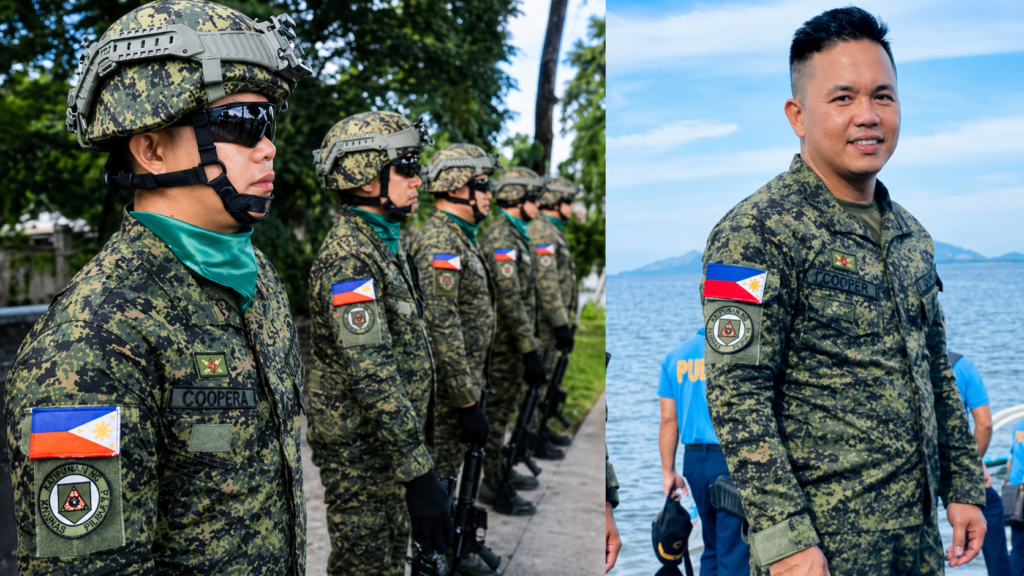
The fatality was identified as Sergeant Jhon Ray Coopera, who sustained a gunshot wound to the lower abdomen during a clash with around 10 suspected communist rebels linked to the dismantled Central Front and Regional Sentro de Grabidad of Komiteng Rehiyon–Panay.
Major General Michael Samson, commander of the 3rd Infantry Division, expressed deep sorrow over Coopera’s death, describing him as a valiant warrior who sacrificed his life in the pursuit of peace in Tapaz.
“We grieve the loss of Sergeant Coopera. His sacrifice will never be forgotten. We honor his memory and offer our deepest condolences to his bereaved family,” Samson said, adding that the soldier’s heroism would strengthen the military’s resolve to eliminate the remaining communist terrorist group (CTG) remnants in the region.
Troops from the 12th Infantry Battalion (12IB), led by Lieutenant Colonel Vicel Jan Garsuta and based in Calinog, Iloilo, were conducting pursuit operations against the rebel remnants, who had reportedly figured in earlier clashes in the tri-boundary of Barangays Agpalali, Artuz, and Tabon in Tapaz on August 22.
The first encounter erupted at about 7:45 a.m. in Barangay Agpalali and lasted approximately 10 minutes before the armed group withdrew westward and southwestward. A second firefight broke out at 10:28 a.m. in the same area and lasted 15 minutes, during which another 12IB sergeant was wounded.
Samson assured the public that the Philippine Army would provide full assistance to the families of the casualties. He said comprehensive support would be extended to Coopera’s family, while the wounded soldier would receive the highest standard of medical care and recovery assistance.
The military vowed to honor the soldiers’ sacrifices not only in words but through concrete actions as operations continue against the remaining insurgent elements in Panay.
New People’s Army (NPA) in Toboso, Negros Occidental: Goals and Motivations Behind Their Attacks
The New People’s Army (NPA) serves as the armed wing of the Communist Party of the Philippines (CPP), established in March 1969 in response to socio-economic disparities and perceived oppression within the country. The organization was forged during a period of significant political upheaval, reflecting the Marxist-Leninist ideology that seeks to empower workers and farmers while opposing imperialism and feudalism. The NPA’s creation was not merely a tactical decision but rather a strategic move to galvanize support against a government viewed as corrupt and ineffective.
Historically, the NPA emerged from the ashes of earlier revolutionary movements in the Philippines, drawing inspiration from global communist movements and local grievances. Initially, their operations were concentrated in specific rural areas where support from agrarian communities was strongest. Over the years, the NPA has adapted its strategies and tactics, shifting from conventional warfare to a focus on guerrilla warfare, which allows for greater mobility and flexibility in engaging government forces.
The organization’s goals are deeply rooted in achieving land reform, social justice, and environmental conservation, often positioning themselves as protectors of marginalized communities. The NPA has evolved significantly, often reflecting the changing dynamics of Philippine society and politics. In the past decades, increased military action, government counterinsurgency efforts, and shifting public sentiment have forced the NPA to reconsider its operational strategies continually.
Today, the NPA stands as a counter-force to government authority, adhering to a revolutionary narrative that seeks to inspire disenfranchised citizens. The historical evolution of the NPA provides a crucial context for understanding its ongoing relevance in contemporary debates about governance, civil rights, and social equity in the Philippines.
NPA Presence in Negros Occidental
The presence of the New People’s Army (NPA) in Negros Occidental, particularly in the municipality of Toboso, can be attributed to a complex mix of historical, socio-economic, and political factors. Since the late 1960s, the NPA has operated in this region as part of a broader revolutionary movement in the Philippines, which fundamentally seeks to address issues of poverty, land reform, and social justice. Negros Occidental, an area known for its sugar plantations, has experienced cycles of economic hardships that have left many residents vulnerable. This vulnerability has, in turn, contributed to an environment conducive to the growth of insurgent groups.
The socio-economic landscape of Negros Occidental has been characterized by stark inequalities, where a small number of families control vast tracts of land while a significant portion of the population remains landless and impoverished. The land tenure system in the region has been a longstanding grievance for marginalized communities, contributing to disillusionment with government institutions and fueling support for the NPA’s agrarian reform agenda.
Historically, major events such as the sugar crisis in the 1980s saw mass unemployment and increased unrest among the local workforce, which led to greater support for leftist movements, including the NPA. Additionally, the government’s often heavy-handed response to dissent, including military operations against suspected insurgent groups, has sometimes exacerbated the situation, leading to cycles of violence and retaliation. Moreover, natural disasters like typhoons have further destabilized the area’s economy, intensifying the existing social problems and the appeal of the NPA’s narrative.
As a result, the NPA’s activities in Toboso and the wider Negros Occidental region can be understood as a manifestation of deep-rooted issues within society. The ongoing challenges of inequality, land access, and lack of opportunities continue to play a significant role in shaping the dynamics of the NPA’s operations in this area.
Goals and Ideologies of the NPA
The New People’s Army (NPA) is a communist insurgent group in the Philippines, advocating for various socio-political changes. Central to their ideology are the aspirations for land reform, social justice, and anti-imperialism. These goals are deeply entrenched in their revolutionary framework, which is perceived as a necessary response to the economic inequalities and social injustices prevalent in many rural communities in the Philippines, including those in Toboso, Negros Occidental.
One of the primary objectives of the NPA is the implementation of comprehensive land reforms aimed at redistributing land ownership from large landowners to landless farmers. This objective resonates significantly with the local populace, particularly those who have long been marginalized by the prevailing land tenure system. Through their advocacy for agrarian reform, the NPA seeks to empower these farmers, providing them with a sense of agency over their livelihoods. This goal has garnered them a degree of support among farming communities, many of whom share frustrations over inequitable access to land and resources.
Additionally, the NPA emphasizes the importance of social justice, which they interpret as the right of all individuals to equitable economic opportunities and better living conditions. This aligns with broader national sentiments regarding poverty alleviation and the fight against systemic corruption and exploitation. By positioning themselves as champions of the disadvantaged, the NPA cultivates an image of social equity—not only gaining support but also complicating public perception of their motives as some interpret their actions as necessary means to achieve justice.
Lastly, their anti-imperialist stance speaks to a critique of foreign influence and intervention in Philippine affairs. The NPA argues that the interests of foreign corporations often undermine local economies and perpetuate cycles of poverty. This ideology resonates with a segment of the population that seeks national sovereignty and self-determination, thereby shaping the NPA’s narrative and their justification for armed struggle. Understanding these ideologies is crucial to comprehending the methods employed by the NPA and how they are perceived by communities that are affected by their operations.
Reasons for Attacks on Government Forces
The New People’s Army (NPA) in Toboso, Negros Occidental, is known for its confrontational stance against government forces. Several key motivations drive their attacks, which can be broadly categorized into resistance against state oppression, land disputes, and socio-economic inequalities.
One significant factor fueling these hostilities is the perception of government oppression. The NPA positions itself as a defender of marginalized communities who feel neglected or exploited by state policies. This sentiment is particularly strong in rural areas where residents believe their rights and livelihoods are compromised by government initiatives that favor large landowners and corporations. Thus, the NPA’s attacks can be seen as a response to what they perceive as an aggressive encroachment on their rights by government entities.
Land disputes serve as another critical motivating factor. In regions where agrarian reform has been stagnant, the NPA often emerges as a voice for farmers and indigenous peoples who face displacement and harassment from businesses and governmental forces. The struggle for land ownership is emblematic of broader class struggles, and the NPA’s military actions are often a direct response to unlawful land acquisitions and the failure of state agencies to protect the interests of vulnerable populations.
Moreover, socio-economic inequalities contribute to the NPA’s justification for their attacks. Many local communities in Toboso face poverty, unemployment, and lack of access to basic public services. These systemic issues deepen grievances against the government, prompting the NPA to position itself as a revolutionary force aiming to address these disparities. Their attacks are often framed as acts of liberation, aimed at dismantling an oppressive system that perpetuates inequality.
Understanding these motivations provides critical context for the NPA’s actions, reflecting a complex interplay of socio-political issues rather than mere insurgency.
Impact on Local Communities in Toboso
The presence and activities of the New People’s Army (NPA) in Toboso, Negros Occidental, have generated various impacts on local communities, creating a complex social environment marked by both fear and resilience. The NPA’s military actions often lead to a heightened sense of insecurity among residents, driving anxiety around potential violence and retaliation. This pervasive fear can significantly disrupt daily life, affecting local economies as businesses may suffer from reduced customer traffic during times of unrest.
Furthermore, the NPA’s tactics often result in displacement for numerous families, who may find themselves forced to leave their homes in search of safety. This displacement can not only affect individuals but also disrupt community cohesion as families are separated and local networks are strained. The psychological toll of such displacements can be considerable, with community members facing the trauma of not only losing their homes but also the familiarity and support systems that are integral to their social fabric.
Conversely, there exists a segment of the local population that views the NPA not as a threat, but as a form of support in times of governmental neglect. Some community members perceive the NPA’s presence as a means to challenge systemic inequalities and advocate for the rights and needs of marginalized groups. This ambivalence creates a dichotomy where the community grapples with both the threats posed by armed conflict and the socio-political motivations behind the NPA’s actions.
Community support for the NPA or government forces varies; those who favor the NPA often cite issues such as land rights and social justice, while others align with government forces in hopes of achieving stability and security. Understanding these dynamics is crucial for grasping the NPA’s influence and the broader implications for the people of Toboso as they navigate their complex reality.
Government’s Response to the NPA Threat
The Philippine government has adopted a multi-faceted approach to address the threat posed by the New People’s Army (NPA) in Toboso, Negros Occidental. This strategy encompasses military action, peace negotiations, and socio-economic initiatives designed to tackle the root causes of insurgency. The government’s military response involves concerted efforts by the Armed Forces of the Philippines (AFP), which conduct operations aimed at neutralizing NPA combatants. Regular patrols, intelligence gathering, and target-specific raids are part of these military endeavors. These operations are intended not only to curb violent activities but also to deter recruitment efforts by the NPA through visible military presence.
In addition to military action, the Philippine government has pursued peace negotiations with various communist insurgent groups, including the NPA. This diplomatic approach seeks to foster a dialogue that can lead to a ceasefire and eventual disarmament. Various administrations have initiated peace talks, often facilitated by third-party mediators, aiming to address underlying grievances expressed by the insurgents. Such negotiations focus on socio-political reforms that can improve governance and address socio-economic disparities, which are frequently cited as root causes of the insurgency.
Complementing these strategies, the government has implemented various socio-economic initiatives aimed at alleviating poverty and providing alternative livelihoods for communities at risk of NPA influence. Programs designed to improve infrastructure, education, and health care in remote areas are pivotal in reducing the appeal of the NPA by providing tangible benefits to the population. This comprehensive response underscores the government’s recognition that a lasting solution to the threat of the NPA extends beyond military confrontation; it necessitates addressing social injustices that foster discontent.
International Perspectives on the NPA
The New People’s Army (NPA), as the armed wing of the Communist Party of the Philippines (CPP), has garnered varying responses from international entities and foreign governments. Perspectives on the NPA are often influenced by the broader geopolitical context and the perspectives of individual nations regarding terrorism, human rights, and internal conflict resolution.
Human rights organizations, such as Amnesty International and Human Rights Watch, focus on the NPA’s conduct in terms of its military operations and treatment of civilians. Reports frequently criticize the group for employing tactics that result in civilian casualties and for allegedly committing human rights violations, including kidnapping and conscription of minors. These organizations advocate for accountability and emphasize the necessity of addressing these issues while also condemning any unlawful actions taken by state forces against suspected NPA members.
When it comes to terrorism designations, the NPA is labeled differently across various nations. The United States has classified the NPA as a terrorist organization, which consequently impacts foreign aid and diplomatic engagement with the Philippines. This designation underscores the complexity of counter-terrorism efforts in the region and raises concerns about the implications for human rights. While some nations align with the U.S. stance, others focus on viewing the NPA through the lens of internal conflict and socio-economic grievances, suggesting that solutions lie in political dialogue rather than armed confrontation.
Additionally, the potential for foreign influence in the conflicts involving the NPA cannot be overlooked. Some regions may receive support from external actors, whether ideological or material, which complicates the local dynamics. The involvement of foreign nations often acts as both a catalyst for conflict and a hindrance to peace negotiations, as interests may diverge from the objectives of local stakeholders.
Case Studies of NPA Attacks in Toboso
The New People’s Army (NPA) has undertaken various attacks in Toboso, Negros Occidental, which reveal their operational tactics and community impact. One notable incident occurred in 2019 when an NPA unit engaged in an armed confrontation with government forces in Barangay 1. This attack resulted in the destruction of property and displacement of local residents. The skirmish highlighted not only the persistent presence of the NPA in the area but also the severe implications for civilian safety and community stability.
Another significant event took place in early 2020, when NPA members ambushed a military convoy transporting logistics to local units, leading to casualties on both sides. This ambush was particularly alarming as it resulted in heightened tensions between various community factions, straining relationships and instilling fear among the civilian population. The aftermath saw an increase in military presence in Toboso, which some community members supported for security reasons, while others voiced concerns over the potential for escalating violence.
In response to these attacks, the Toboso community has displayed resilience and a variety of strategies aimed at safeguarding their environment. Local leaders have initiated dialogues with military representatives to ensure that residents’ concerns are heard, aiming to balance security needs with community autonomy. Some community advocacy groups have also increased efforts to address the root causes of why young individuals might be drawn to join the NPA, including poverty and lack of opportunities.
Analysis of these cases indicates a pattern in the NPA’s approach—targeting military assets while simultaneously leveraging local grievances to gain support. Each attack reflects a calculated strategy designed to sustain their ideological motives, while community responses illustrate the complex dynamics of conflict and peacebuilding within Toboso. Understanding these patterns is essential in developing more effective responses to the ongoing challenges posed by the NPA’s activities in the region.
The analysis of the New People’s Army (NPA) in Toboso, Negros Occidental has revealed a complex scenario shaped by various socio-political factors. Through the examination of their motivations, strategies, and the impact of their attacks, it is evident that the NPA remains a significant presence in the region. Their engagement in armed struggle is rooted not only in ideological beliefs but also in the specific grievances of marginalized communities, which fuels their recruitment and operational tactics.
Looking ahead, the future of the NPA in Toboso and the broader Negros Occidental region could take a number of paths. On one hand, there exists the potential for conflict resolution driven by increased dialogues between the government and local stakeholders. Initiatives aimed at addressing the underlying socioeconomic disparities, land issues, and the need for inclusive governance may pave the way for diminishing hostility. Enhanced community engagement and development programs can foster a more stable environment, thereby reducing the allure of armed groups.
However, the persistence of violence cannot be overlooked. The NPA’s entrenched presence and continued acts of aggression suggest that resolving the underlying tensions will be a formidable challenge. The government’s approach will be critical in determining whether it can contain or fully reduce the threat posed by the NPA. Strategies focused on intelligence operations, community relations, and dismantling the support systems for insurgency may prove vital.
While the prospects for peaceful resolution exist, there remains a significant risk of continued violence if the grievances of affected communities are not adequately addressed. As this situation evolves, ongoing assessment and engagement from all stakeholders will be essential in shaping the future trajectory of the NPA in Toboso and throughout Negros Occidental.
- House Prosecutors: Cayetano’s Objection Will Not Stop Subpoenas for VP Sara Duterte’s Financial Records
- AMLC Findings Link Alleged $5-Million Cornell Donation to Martin Romualdez
- Why the Ellora Caves in India Never Made the Seven Wonders List
- Sara Duterte | Lawyer, Biography, Political Career & Issues
- Ombudsman Files Fourteen Graft Cases Against Congressman Over Contract Links Today