KYIV – Ukraine on Sunday commemorated the 40th anniversary of the Chornobyl nuclear disaster, as concerns persist that Russia’s ongoing war could trigger a similar nuclear catastrophe. Officials in Kyiv warned that repeated Russian drone and missile flights near the Chornobyl site have heightened risks, including damage to a protective containment structure last year.
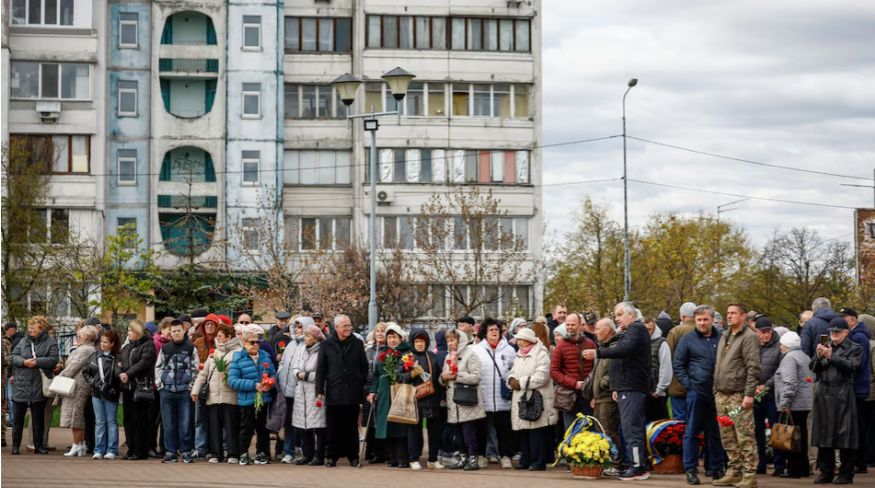
The 1986 explosion at the Soviet-era plant, widely known as the Chornobyl disaster, released massive radioactive contamination across Europe, forcing hundreds of thousands to evacuate and leaving long-term health and environmental consequences still debated today.
Ukraine’s Foreign Ministry said the disaster reflected a “totalitarian system that subordinated truth and science to ideology,” noting that millions were exposed to radiation and many later died from related illnesses. A large steel confinement structure built in 2016 over the damaged reactor is now reported to need costly repairs after a 2025 drone strike punctured its seal.
READ MORE ARTICLES:
- Ukraine Marks 40th Anniversary of Chornobyl Disaster, Facing Fresh Nuclear Safety Risks Amid Ongoing War
- Min Aung Hlaing Grants Amnesty, Secures Release of Win Myint as Aung San Suu Kyi Remains Detained
- Donald Trump Turns on Ally PM Giorgia Meloni After Public Clash Over Pope and Iran Policy
- President Marcos Jr, Appoints Trade Envoy Dita Angara-Mathay as New Secretary of Tourism
- Day 36 of the US-Israel Attacks on Iran
Despite the dangers, Ukrainian officials say at least 92 Russian drones have flown within five kilometers of the site since mid-2024. The Chornobyl exclusion zone remains under strict control, where workers continue decommissioning efforts while wildlife has reclaimed much of the abandoned area.
Ceremonies marking the anniversary were held quietly due to wartime security concerns, underscoring how the legacy of Chornobyl continues to cast a shadow over Ukraine’s present conflict.
The Chornobyl Disaster
The Chornobyl nuclear disaster, which occurred on April 26, 1986, at the Chornobyl Nuclear Power Plant in Ukraine, is widely regarded as one of the worst nuclear accidents in history. The disaster was triggered during a late-night safety test that went catastrophically wrong, leading to an uncontrolled reaction in Reactor No. 4. This resulted in a significant release of radioactive materials into the atmosphere, affecting not only the immediate vicinity but also large swathes of Europe.
In the immediate aftermath, the explosion caused extensive damage to the reactor building and resulted in the death of two plant workers on the night of the incident, followed by 29 emergency responders and plant personnel who succumbed to acute radiation sickness in the following days. The Soviet government, underestimating the severity of the situation, delayed the evacuation of nearby communities, including the city of Pripyat, which housed around 49,000 residents. It took a full 36 hours after the explosion for officials to evacuate these residents, who were largely uninformed of the unfolding disaster.
The implications of the disaster extended far beyond its immediate geographical area, ushering in a new era of nuclear safety and regulation. The event raised global awareness regarding the potential risks associated with nuclear power, leading many countries to reassess their policies and protocols surrounding atomic energy. Furthermore, the Chornobyl disaster became a symbol of the potential perils of nuclear technology when safety is compromised, stressing the importance of rigorous safety measures and contingency planning.
As we approach the 40th anniversary of this catastrophic event, it is essential to reflect on the lessons learned and to honor those who were directly affected, as well as the ongoing implications of nuclear energy in the present day.
The Current Context: Russia-Ukraine Conflict
The ongoing war between Russia and Ukraine, which escalated in 2022, has significantly altered global perceptions regarding nuclear safety and security. The Chornobyl Nuclear Power Plant, site of the catastrophic 1986 disaster, has re-entered the spotlight as military tensions surround it. As forces from both nations engage in combative actions, the safety of this decommissioned yet nuclear-laden site is under severe scrutiny. The potential for a renewed disaster looms large in the minds of local and international observers alike.
In the early days of the conflict, Russian troops occupied the Chornobyl zone, which raised immediate alarms about the integrity of existing containment structures and the possibility of radioactive material being disturbed. The area, which remains heavily contaminated, is a reminder of the devastating consequences of nuclear accidents, and any military activity poses a risk of worsened conditions. Reports of artillery fire near the zone heightened concerns that military engagement could lead to releases of radioactive materials, which could impact the surrounding areas and beyond.
As the war continues, the lessons from the Chornobyl disaster resonate loudly. They underscore the importance of ensuring that nuclear facilities are secure and not subject to the fray of war. The conflict has amplified fears of a global nuclear catastrophe, prompting discussions on international nuclear safety protocols. While the focus remains on military strategy and territorial control, the specter of another environmental disaster remains a critical aspect of the ongoing dialogue about the consequences of this warfare.
The subject of nuclear safety, particularly in a conflict zone, is intricately linked to the historical ramifications of Chornobyl. The current situation serves as a grim reminder of the potential devastation that can arise from warfare involving nuclear sites, and it drives home the necessity for rigorous safeguards and preventive measures in such volatile environments.
Chornobyl’s Lasting Impact on Europe and Beyond
The Chornobyl nuclear disaster, which occurred in 1986, continues to influence environmental policies, public health considerations, and societal attitudes towards nuclear energy across Europe and beyond. The explosion at Chornobyl released a significant amount of radioactive material into the atmosphere, leading to widespread contamination and a multitude of health-related issues that have persisted across generations. Studies have indicated an increase in thyroid cancers and other health problems among those exposed to the fallout, demonstrating a direct correlation between the disaster and public health emergencies that many countries have had to address.
In response to the disaster, numerous countries reevaluated their nuclear energy policies. For instance, Germany embarked on its ambitious Energiewende, a transition towards renewable energy sources, which aimed to phase out nuclear power entirely. Other nations, particularly those in close proximity to Chornobyl, also revised their nuclear strategies, emphasizing safety and disaster preparedness. This shift reflects a broader skepticism toward nuclear energy that shadowed Chornobyl and continues to shape public opinions.
Moreover, the catastrophe led to more stringent regulations and international agreements regarding nuclear safety and disaster prevention. The establishment of the International Atomic Energy Agency’s (IAEA) safety standards and protocols stemmed, in part, from the inadequacies exposed by Chornobyl. The emphasis on transparency and community engagement in nuclear policy discussions has since gained prominence, fostering a cautious approach among nations considering nuclear energy.
Beyond environmental and policy implications, the Chornobyl disaster has left an indelible mark on cultural and societal attitudes towards technology. Awareness campaigns and education regarding the risks associated with nuclear energy have become integral components of public discourse, as countries grapple with the balance between energy needs and safety concerns. As the anniversary of Chornobyl passes, it serves as a stark reminder of the need for vigilance, preparedness, and comprehensive policies in the context of nuclear energy utilization.
Commemorating the 40th Anniversary: Events and Memorials
The 40th anniversary of the Chornobyl nuclear disaster presents a significant opportunity for both remembrance and reflection. Various events are organized in Ukraine and internationally to honor the victims and emphasize the critical lessons learned from this catastrophic incident. The Ukrainian government, along with numerous non-governmental organizations, is spearheading a series of memorial gatherings aimed at commemorating the bravery of those who responded to the disaster and the resilience of the affected communities.
In Kyiv, a central memorial event is set to take place at the National Museum of the Chornobyl Disaster, where survivors, families of the deceased, and officials will gather to pay their respects. The memorial will include speeches by key figures who played pivotal roles during and after the catastrophe, highlighting the ongoing importance of nuclear safety. Additionally, exhibitions showcasing photographs, personal stories, and artifacts from the disaster will be available to increase public awareness and understanding of the event’s impact.
Internationally, numerous events are set to occur, including online seminars and conferences that will engage experts in discussions on nuclear energy policies and safety regulations. These gatherings aim to draw lessons from the Chornobyl disaster, forging a collaborative path for improved nuclear safety standards across the globe. Educational programs in schools will also be conducted, focusing on the significance of disaster preparedness and the environmental ramifications of nuclear hazards.
Social media campaigns are another avenue through which remembrance is fostered, utilizing hashtags that encourage individuals to share their thoughts, stories, and insights about Chornobyl. This collective effort to commemorate the disaster is not only a tribute to the victims but also a reminder of the importance of vigilance in the face of nuclear energy’s risks.
Voices of Survivors: Personal Accounts and Reflections
The Chornobyl disaster of 1986 remains one of the most devastating nuclear accidents in history, impacting not only the environment but also the lives of countless individuals. Survivors of this tragedy provide invaluable insights into the human cost of such disasters. Many of these individuals were residents of Pripyat, the town closest to the reactor, while others were emergency responders tasked with managing the aftermath of the explosion. Their personal accounts illustrate the profound and enduring effects of this disaster.
One poignant story comes from a former resident of Pripyat, who recalls the harrowing day of the explosion. “We were told it was safe; we had no idea of the danger,” she reflects. As she and her family evacuated, they had to leave behind cherished belongings and even pets, unsure of what their future held. This sense of loss was echoed by many in the community, who were forced to abandon everything they had ever known.
First responders share their experiences as well. A firefighter who was among the first to arrive at the scene describes the chaos surrounding the reactor’s explosion. “We were told it was just a routine fire, yet we saw the reality of radiation almost immediately,” he states, emphasizing the confusion and lack of information available to them at the time. Many of these brave individuals suffered long-term health issues due to their exposure, giving rise to a grim and ongoing struggle for recognition and support.
The narratives of Chornobyl survivors serve not only as a reminder of personal sacrifice and resilience but also highlight the critical need for safety protocols in nuclear energy management. Their stories act as a testament to the enduring human spirit in the face of calamity and a call to action, emphasizing that lessons must be learned from this tragedy to prevent similar occurrences in the future.
The Role of the International Community in Nuclear Safety
The Chornobyl nuclear disaster in 1986 marked a pivotal moment in the landscape of global nuclear safety. In the aftermath of this catastrophic event, the international community recognized the necessity of establishing robust frameworks to enhance nuclear security and mitigate the risk of future disasters. One of the most significant responses came from the International Atomic Energy Agency (IAEA), which took on a vital role in promoting global nuclear safety standards and fostering international cooperation.
The IAEA has been instrumental in developing safety guidelines that reflect the lessons learned from Chornobyl. Its established safety standards encompass all aspects of nuclear energy from operation to decommissioning, ensuring that nations adhere to best practices. The agency also facilitates regular peer reviews and safety assessments, which help countries identify potential hazards within their own nuclear facilities. Through these initiatives, the IAEA contributes to an overarching goal of preventing nuclear incidents worldwide.
Moreover, the disaster led to enhanced protocols regarding the sharing of nuclear information among member states, emphasizing the importance of transparency in nuclear operations. Policies aimed at emergency preparedness, environmental monitoring, and radiation protection have evolved significantly, proving that international collaboration is essential in managing the inherently high risks associated with nuclear technology.
Additionally, the Chernobyl Forum, which included multiple international organizations and member states, aimed to address the long-term impact of the disaster on human health and the environment. Their findings have influenced global nuclear safety training programs and regulatory frameworks, demonstrating a collective commitment to improving nuclear safety. The heightened awareness and regulatory advancements stemming from the Chornobyl disaster continue to play a crucial role in shaping policies that govern nuclear energy today, highlighting the enduring impact of international cooperation in the realm of nuclear safety.
Lessons Learned: Safety Protocols and Governance
The Chornobyl disaster, which occurred in April 1986, highlighted severe deficiencies in safety protocols and governance related to nuclear energy. The incident revealed that outdated systems and a lack of adequate safety measures contributed significantly to the catastrophic event. As such, this tragedy prompted a reevaluation and reform of safety regulations within the nuclear industry. The lessons learned from Chornobyl continue to resonate today, especially in the context of ensuring reactor safety and effective crisis management.
One of the most critical lessons learned is the importance of implementing rigorous safety protocols. In the aftermath of the disaster, many countries adopted stricter regulations aimed at enhancing safety practices. The establishment of the International Atomic Energy Agency (IAEA) played a pivotal role in fostering international cooperation in nuclear safety. Safety assessments and emergency preparedness programs have become staples in contemporary governance frameworks for nuclear facilities worldwide. The emphasis on regular drills, comprehensive safety checks, and training has been instrumental in preventing accidents.
Moreover, transparency and accountability have emerged as cornerstones of effective governance in the nuclear sector. The Chornobyl accident underscored the dire consequences of misinformation and inadequate communication during a crisis. Today, stakeholders are more involved in the decision-making processes surrounding nuclear operations. Public engagement initiatives and transparent reporting mechanisms help build trust among communities, ensuring that the public remains informed about safety measures being implemented.
Integrating the lessons from Chornobyl into today’s practices cannot be overstated as it affects how modern nuclear reactors are governed. Continuous learning from past mistakes, combining safety protocols with robust governance strategies, is essential in mitigating risks associated with nuclear energy. By adhering to these principles, the nuclear industry can aim for increased safety and resilience, minimizing the chances of a similar disaster occurring in the future.
The Future of Nuclear Energy: Risks and Innovations
The Chornobyl nuclear disaster serves as a poignant reminder of the challenges and responsibilities that accompany the harnessing of nuclear energy. While the event raised substantial concerns about safety protocols and the environmental impacts of nuclear power, it also opened a dialogue regarding the future of this energy source in the context of current geopolitical tensions. In recent years, advancements in nuclear technology have prompted discussions on its potential as a sustainable energy solution amid the global push for clean energy.
Innovative approaches such as small modular reactors (SMRs) and advanced reactor designs are emerging as promising alternatives to traditional nuclear plants. These innovations focus not only on improving safety protocols but also on reducing waste and increasing efficiency. SMRs, for instance, are designed to operate on a smaller scale, requiring less infrastructure and financial investment, thus mitigating risks associated with large-scale nuclear facilities while still harnessing the benefits of nuclear fission.
Safety remains a significant concern, especially in light of the ongoing geopolitical conflicts that can threaten operational stability. To address these risks, the nuclear industry is evolving, implementing stricter regulatory frameworks and adopting lessons learned from past incidents like Chornobyl. Enhanced emergency preparedness programs, alongside real-time monitoring technology, can play pivotal roles in ensuring the integrity of nuclear operations under challenging conditions.
Moreover, the ongoing debate surrounding nuclear energy as a viable solution for future energy demand is intensifying. Critics argue that the inherent risks overshadow potential benefits, while proponents emphasize its ability to significantly reduce greenhouse gas emissions when coupled with renewable energy sources. Ultimately, navigating this multifaceted landscape will require a balanced analysis of both the risks and potential innovations in nuclear energy while considering its role in a sustainable future.
Remembering Chornobyl and Advocating for Safety
Commemorating the 40th anniversary of the Chornobyl nuclear disaster provides an important opportunity to reflect on the impact of this catastrophic event. The lessons learned from Chornobyl extend beyond the immediate effects of the accident and speak to the continued need for stringent safety measures within the nuclear industry. Throughout this blog post, we have examined the series of failures that led to the disaster, highlighting the critical role of human error and inadequate safety protocols.
Furthermore, it is essential to recognize the ongoing challenges posed by the legacy of Chornobyl, particularly as we navigate an era marked by geopolitical tensions and heightened security concerns. Advocating for safety in the nuclear sector is not solely about recalling past mistakes; it is about ensuring that we do not allow history to repeat itself. This call for safety resonates even more strongly in an environment where nuclear power is being scrutinized due to potential military misuses.
As global citizens, we bear the responsibility to honor the memory of those affected by Chornobyl by pushing for enhanced safety standards, comprehensive training for personnel, and fostering transparent communication within the nuclear community. It is imperative that we advocate for the regulatory changes necessary to protect future generations from the dire consequences of nuclear accidents. Such advocacy must also involve public engagement and dialogue, drawing lessons not only from Chornobyl but also from contemporary situations where nuclear safety may be compromised.
In conclusion, the Chornobyl disaster serves as a grave reminder of vulnerabilities associated with nuclear energy. By remembering this tragedy and advocating consistently for safety improvements, we can contribute to shaping a safer future for nuclear energy and protect our communities from the risks that still loom large in this domain.
The Long-lasting Consequences of the Chernobyl Disaster
The Chernobyl disaster stands as one of the most significant nuclear disasters in history, occurring on April 26, 1986, in the Chernobyl Nuclear Power Plant, located near the town of Pripyat, Ukraine. This catastrophic event was marked by a catastrophic explosion at reactor number four, which released large quantities of radioactive particles into the atmosphere. The impact of this incident extended beyond the borders of the Soviet Union, affecting various countries across Europe, and altering the course of nuclear power usage globally.
The explosion at Chernobyl was caused by a combination of design flaws in the reactor and operator errors during a late-night safety test. The intense heat generated from a power surge led to a catastrophic failure of the reactor core, which in turn resulted in a massive release of radioactive materials. The immediate aftermath of the explosion was dire; firefighters and plant personnel responded heroically but suffered severe radiation exposure. In the subsequent weeks, thousands of workers were dispatched to control the fire and contain the spread of radiation, many of whom would later succumb to radiation-related illnesses.
The area around Chernobyl was rapidly evacuated, with approximately 49,000 residents from Pripyat relocated within a matter of hours, soon followed by a broader evacuation of surrounding areas, including a 30-kilometer exclusion zone. The initial response to the disaster focused intensely on addressing the immediate hazards, but the far-reaching consequences, both environmental and human, would become evident in the years to come. The Chernobyl disaster serves as a critical case study in the field of nuclear safety, emphasizing the need for rigorous safety protocols and emergency preparedness in such high-stakes environments.
Immediate Aftermath: Evacuation and Contamination
The catastrophic explosion of reactor number four at the Chernobyl Nuclear Power Plant on April 26, 1986, triggered an extensive and immediate response involving the forced evacuation of nearby communities. The initial explosion released a massive amount of radioactive contaminants into the atmosphere, leading authorities to act swiftly to protect the health and safety of residents. Within hours of the disaster, officials began to evacuate the nearby town of Pripyat, home to approximately 49,000 residents. However, the full-scale evacuation took several days to implement, culminating in the evacuation of approximately 116,000 people from the contaminated zone surrounding the plant.
During this challenging period, many residents were instructed to leave their homes with little warning, often taking only essential belongings. This resulted in a hasty exit from their familiar surroundings, further compounding the emotional impact of the disaster. Within the first week, the exclusion zone was set up, encompassing a 30-kilometer radius around the reactor, which would later become a permanent no-entry zone due to high radiation levels.
Land contamination from the Chernobyl disaster was severe and widespread, with radioactive isotopes, including cesium-137 and strontium-90, contaminating vast tracts of land. The surrounding environment faced devastating effects as well, leading to long-term ecological damage across the affected areas. Researchers and environmentalists have continued to monitor the region, identifying zones with dangerously high radiation levels that will require decades, if not centuries, to recover. The long-lasting consequences of this contamination accentuate the need for comprehensive disaster preparedness and environmental management in relation to nuclear energy facilities.
Health Impact: Radiation Exposure and Illness
The Chernobyl disaster, which occurred in April 1986, released significant amounts of radioactive materials into the atmosphere, posing serious long-term health risks for those exposed to radiation. A broad range of health implications has been identified among various populations, particularly those residing near the nuclear plant during and after the incident. The most noticeable consequence of radiation exposure is the heightened risk of developing cancers, especially thyroid cancer, which has been widely documented among children and adolescents who were living in contaminated areas.
In the immediate aftermath of the disaster, emergency responders and cleanup workers were exposed to acute doses of radiation, leading to higher incidents of acute radiation syndrome (ARS). However, the long-term effects have been more pervasive and insidious. Research has indicated an alarming increase in the incidence of not only thyroid cancer but also other forms of cancer, such as leukemia and breast cancer, among those who were directly affected by the fallout.
Statistics reveal that over the years, thyroid cancer instances among individuals exposed to radioactive iodine released from Chernobyl have risen dramatically, particularly in Belarus and Ukraine. Studies indicate that the incidence of thyroid cancer among this group is around four to five times higher than that in those unexposed. Furthermore, international reports, including those from the World Health Organization (WHO), suggest that approximately 5,000 additional cases of thyroid cancer may occur due to the radiation exposure attributed to the disaster.
Beyond cancer, other health consequences of radiation exposure include psychological impacts, such as anxiety and depression, due to the uncertainty of health outcomes and the stigma associated with being from contaminated regions. It is essential to understand that the health impacts of the Chernobyl disaster extend beyond the immediate aftermath, with survivors and future generations continuing to cope with the ramifications of radiation exposure. Continued research and monitoring are crucial to address these enduring health effects.
Debate on Death Toll and Health Effects
The Chernobyl disaster, which occurred on April 26, 1986, remains one of the most catastrophic nuclear accidents in history, leading to an ongoing debate over its true death toll and long-term health effects. The complexity of assessing these impacts stems from a multitude of factors, including delayed health consequences, variances in reporting, and the diverse perspectives of various health organizations and researchers.
Estimates of the deaths attributed to Chernobyl vary significantly. The United Nations Scientific Committee on the Effects of Atomic Radiation (UNSCEAR) reported, in its 2008 report, that approximately 50 individuals died due to acute radiation sickness in the immediate aftermath of the disaster. However, this figure does not account for potential long-term health impacts. The World Health Organization (WHO) presented a different perspective, suggesting that up to 4,000 people could eventually die from radiation exposure among the higher-exposed groups, including emergency workers, evacuees, and residents of the most contaminated areas.
In contrast, other organizations, such as Greenpeace and the Chernobyl Forum, propose much higher mortality rates, estimating tens of thousands to several hundred thousand fatalities linked to radiation exposure from the accident. The variances in these assessments highlight the challenges in attributing specific health outcomes directly to the disaster. Factors like thyroid cancer, which has seen a notable increase among those exposed to radioactive iodine, exemplify the difficulties of correlating long-term health impacts with Chernobyl specifically.
Overall, as research continues and new data emerges, the ongoing debate emphasizes the necessity for a cautious and systematic approach to understanding the health effects associated with the Chernobyl disaster and its lasting legacy. This complexity reflects not only the scientific uncertainties involved but also the political, social, and emotional dimensions often intertwined with such a tragic event.
The Chernobyl disaster, which occurred on April 26, 1986, not only caused immediate fatalities and health concerns but also prompted a significant international response aimed at mitigating the extensive consequences of the nuclear accident. One of the primary concerns was the containment of radioactive materials that were released during the explosion. In response, the global community mobilized to construct a massive steel and concrete structure, known as the sarcophagus, over the remains of Reactor No. 4. This engineering project was essential for addressing the immediate safety issues related to the dispersal of radioactive debris into the environment.
The construction of the sarcophagus began shortly after the disaster, as experts acknowledged the urgency in containing the fallout. Over 600,000 workers, referred to as “liquidators,” were involved in the cleanup and stabilization efforts. The sarcophagus was designed to encase the reactor and prevent further emission of radioactive materials for a period deemed necessary for safety. This undertaking was not just a national effort but also an international collaboration, with numerous countries providing financial and technical assistance. The efforts included contributions from countries such as the United States, Canada, and various nations within the European Union, demonstrating a collective recognition of the disaster’s global implications.
Despite the completion of the original sarcophagus, concerns persisted regarding its structural integrity and the longevity of its containment capabilities. As time progressed, it became evident that a more permanent solution was needed to address the long-term risks posed by the radioactive materials still contained within the site. Subsequently, an initiative was launched to construct a new, more secure containment structure known as the New Safe Confinement (NSC), which was completed in 2016. This undertaking further illustrated the ongoing international commitment to managing the aftermath of the Chernobyl disaster and protecting both local and global communities from its perilous legacy.
The 2016 New Safe Confinement Structure
In 2016, a significant engineering advancement was realized with the completion of the New Safe Confinement (NSC) structure at the Chernobyl nuclear power plant, built to encase the original sarcophagus that was constructed immediately after the 1986 disaster. This monumental project was driven by the need to enhance the containment of radioactive materials that had been trapped in the aging sarcophagus while providing a safe environment for decommissioning activities.
The NSC is a massive steel structure, measuring 108 meters in height and 162 meters in length, designed to prevent the release of any radioactive particles into the atmosphere. The construction was a complex endeavor, as it involved mobilizing substantial technical resources and expertise from various countries, illustrating a remarkable collaboration in international nuclear safety. The protective shell was built over the original sarcophagus on-site, utilizing innovative sliding technology to maneuver it into position.
One of the key purposes of the New Safe Confinement structure is to offer an improved barrier against potential radioactive leaks, thereby significantly reducing the risks posed by the original sarcophagus, which had deteriorated over the years. Moreover, it facilitates the safe removal of radioactive fuel and debris from the site, essential for long-term remediation efforts. The engineering achievement represented by the NSC not only embodies the latest in containment technologies but also serves as a powerful symbol of resilience and humanity’s commitment to addressing the legacy of nuclear disasters.
Overall, the 2016 New Safe Confinement stands as a monumental testament to engineering innovation in combating the perils of radiation, showcasing how advanced design and international cooperation can help mitigate the consequences of historical events such as the Chernobyl disaster.
The Chernobyl disaster, which occurred in 1986, created a long-lasting legacy of environmental and health concerns. More recently, the geopolitical situation surrounding Chernobyl has become increasingly precarious, particularly with the onset of military conflicts in the region. A significant development emerged in February 2025, when a Russian drone strike targeted the vicinity of the Chernobyl Nuclear Power Plant. This incident raised serious alarms concerning the safety and security of the area, particularly in relation to the integrity of the new containment structure erected over the original reactor site.
The drone strike not only undermines years of stabilization efforts but also highlights the vulnerabilities in safety protocols designed to prevent contamination and ensure the protection of both the local population and the broader world. Compromised integrity of the containment structure poses a myriad of risks, including potential leaks of radioactive materials, which can have devastating implications not only locally but across neighboring territories as well. Such occurrences reiterate the fact that military engagements can dramatically alter the safety landscape of areas long thought stabilized after major disasters.
This incident underscores the importance of international scrutiny and vigilance concerning nuclear safety in conflict zones. The ongoing threat posed by military action not only jeopardizes public health but can also derail recovery efforts and restoration of trust in the safety of nuclear energy. As the global community remains watchful of escalating military tensions, it is vital to continuously evaluate how such actions could impact facilities like Chernobyl, which serve as a reminder of the delicate balance between technology, safety, and geopolitical stability.
Financial Requirements for Repairs
The Chernobyl disaster, which occurred in 1986, has left a significant legacy of environmental and infrastructural damage that necessitates extensive financial investment for repairs and strengthening of the containment structure. The European Bank for Reconstruction and Development (EBRD) has estimated that the cost to properly repair and maintain this containment area might reach several billion euros. Such extensive resources are essential not only to ensure the structural integrity of the sarcophagus but also to address ongoing safety concerns surrounding radiation leakage.
One of the primary challenges in securing funding stems from the complexity of the logistics involved in these repairs. The site remains highly contaminated, which not only increases the cost of labor but also limits the availability of personnel willing to work in such dangerous conditions. Additionally, the nature of the repairs—to reinforce and eventually replace the existing sarcophagus—requires specialized technology and expertise that can further escalate expenses.
According to the EBRD, in order to upgrade the existing structures and develop a long-term solution, an estimated €740 million was pledged by various international donors. This financial commitment, while significant, highlights the gap between current funding and what is actually required to effectively address the structural risks present at the site. The high financial requirements create a situation where project timelines may be extended, as securing the necessary resources can be challenging in a competing global financial landscape.
The need for continuous monitoring and maintenance of the containment structure adds another layer to the financial requirements. Establishing and maintaining systems to measure radiation levels and ensure safety protocols are adhered to will incur ongoing costs. Thus, the combination of initial repair investment and ongoing operational expenses presents a formidable challenge for stakeholders seeking to mitigate the risks posed by the Chernobyl site.
The Legacy of Chernobyl
The Chernobyl disaster, which occurred on April 26, 1986, continues to cast a long shadow over nuclear safety protocols, health standards, and environmental policies. Its legacy is marked by an ongoing evaluation of the effects of radiation exposure on human health, including an uptick in thyroid cancers and other illnesses among affected populations. Studies have revealed that the psychological impact of the disaster, including anxiety and depression, persists alongside the physical health risks. The local population, particularly those who were exposed to radioactive materials in the immediate aftermath of the disaster, still struggles with the consequences of the catastrophe.
Environmentally, the area surrounding the Chernobyl plant remains a site of ongoing research into the long-term ecological effects of radiation on wildlife and ecosystems. The Chernobyl Exclusion Zone has become a unique, albeit hazardous, environment where nature has begun to reclaim its territory, presenting an unusual case study for scientists. Nevertheless, the challenges of decontamination and restoration continue to pose substantial difficulties for environmental remediation efforts.
Geopolitically, the Chernobyl disaster highlighted the need for increased transparency and international cooperation in the realm of nuclear safety. It served as a catalyst for the establishment of better regulations within the nuclear industry across many countries. Lessons from Chernobyl continue to influence the development of current nuclear policies, leading to more robust safety practices aimed at preventing such disasters from recurring.
In conclusion, the enduring legacy of the Chernobyl disaster is a powerful reminder of the potential consequences of nuclear energy when safety protocols are insufficient. Its implications stretch far beyond a single event, shaping health, environmental, and geopolitical discourses for generations to come.
The Silent Watch of Chernobyl: Nature Reclaims the Nuclear Exclusion Zone
The Chernobyl disaster, which occurred on April 26, 1986, is regarded as one of the most catastrophic nuclear accidents in history. A reactor explosion at the Chernobyl Nuclear Power Plant in Ukraine released vast amounts of radioactive materials into the atmosphere, leading to long-lasting environmental and health impacts. In response to this disaster, a 2,600-square kilometer exclusion zone was established around the site, effectively sealing off the area to prevent human habitation and minimize radiation exposure.
The exclusion zone, often referred to as the Chernobyl Exclusion Zone, holds significant importance not only for its historical context but also for its ecological resurgence. Surprisingly, this once-sterile area has become a natural monument, where flora and fauna have begun to reclaim the land, demonstrating resilience in the face of human-induced catastrophe. The site has turned into a unique laboratory for researchers studying the effects of radiation on wildlife and ecosystems, offering insights into recovery processes in contaminated environments.
Moreover, the Chernobyl Exclusion Zone has garnered considerable interest among tourists and thrill-seekers. Guided tours allow visitors to witness the haunting remnants of the past, including abandoned towns, rusting vehicles, and the iconic reactor itself. Despite its dark history, the area serves as a profound reminder of the interplay between human innovation and nature’s capacity to regenerate. Such duality of perspectives makes the Chernobyl Exclusion Zone a compelling destination for those eager to explore the complex narrative of disaster, recovery, and the reclaiming power of nature.
Life Within the Exclusion Zone
The Chernobyl Exclusion Zone, established following the catastrophic 1986 nuclear disaster, is now home to over 2,250 workers who are focused on the decommissioning of the Chernobyl Nuclear Power Plant. These dedicated individuals face unique challenges in their daily lives, balancing the risks associated with working in a radioactive environment while contributing to the gradual dismantling of one of the world’s most notorious nuclear facilities.
These workers represent a diverse range of roles, including engineers, technicians, and maintenance personnel. Each plays a crucial part in the complex process of decontaminating the site and ensuring the safe handling of radioactive materials. Their responsibilities range from monitoring radiation levels and repairing equipment to conducting research aimed at understanding the long-term impacts of radiation on both the environment and public health.
Life for these employees is far from ordinary. They typically work in shifts and reside in temporary accommodations within the Exclusion Zone, limiting their contact with the outside world. The psychological toll of working in such a historically significant yet tragic venue can be substantial, contributing to a lifestyle marked by vigilance and a constant awareness of safety protocols.
Despite the challenges, many workers express a deep sense of purpose in their positions. They understand the significance of their efforts, recognizing that their actions contribute to a broader mission of recovery and environmental restoration. Their experiences in the exclusion zone reveal a resilient human spirit, undeterred by past tragedies. While nature begins to reclaim the territory abandoned by human activity, these workers continue to ensure that safety and responsibility remain at the forefront of the decommissioning process.
The Current Status of Chernobyl Nuclear Power Plant
The Chernobyl Nuclear Power Plant, once a symbol of the dangers of nuclear energy, now stands as a relic of both human ambition and technological failure. Following the catastrophic disaster of April 26, 1986, the site has undergone significant changes in its physical structure and operational status. Today, the facility is primarily focused on containment and decommissioning of its reactors.
Reactor Four, the site of the explosion, is encased within a massive steel structure known as the New Safe Confinement (NSC). This innovative structure, completed in 2016, was designed to contain the remaining radioactive materials and facilitate the dismantling of the reactor complex. Its engineering emphasizes safety and durability, and it covers the old sarcophagus built shortly after the disaster, which had started to deteriorate over time. The NSC allows for controlled removal of radioactive remnants while preventing further release into the environment.
In addition to Reactor Four, other units of the Chernobyl plant remain largely non-operational since the disaster. Reactor Units One and Two were permanently shut down post-accident, while Unit Three was taken offline in 2000, highlighting a definitive end to the plant’s operational life. As of now, ongoing work focuses on decommissioning all leftover infrastructures, including the dismantling of auxiliary buildings and systems no longer in use.
Moreover, the site is heavily monitored for radiation levels and environmental impact, demonstrating a commitment to safety in managing a region with such a complex history. Guided by the principles of nuclear decommissioning, numerous efforts have been implemented to analyze the status of the facility and ensure the protection of surrounding ecosystems.
The Return of Nature: Wildlife in the Exclusion Zone
The Chernobyl Exclusion Zone, established following the infamous nuclear disaster in 1986, has transformed remarkably over the decades. As the human presence diminished, a wide range of wildlife began to flourish in this unanticipated sanctuary. Species such as moose, wild horses, wolves, and even the rare Przewalski’s horse have been observed thriving within the once desolate landscape. This resurgence of wildlife signifies more than just survival; it embodies the resilience of nature.
Ecological research in the Exclusion Zone has revealed compelling data about how fauna adapt in the absence of human interference. Scientists are monitoring various species to understand their behaviors, health, and population dynamics in a contaminated environment. One notable observation has been the increasing number of moose, which have found ample food sources amid the dense, untamed vegetation that has reclaimed the land. Similarly, the wild horse population, introduced in the late 1990s, has successfully established itself, demonstrating adaptability to the harsh conditions of this radioactive enclave.
Furthermore, studies have indicated a gradual return of predatory species, such as wolves, illustrating the revitalization of the ecosystem. These animals play a crucial role in maintaining ecological balance, scavenging on the large herbivores that now graze in abundance. Researchers postulate that the Chernobyl Region serves as a significant ecological laboratory, offering insight into wildlife resilience amidst environmental stressors.
While the long-term effects of radiation on these species remain a subject of scrutiny, the flourishing wildlife offers a unique glimpse into nature’s capacity for reclamation. The Exclusion Zone has emerged as an extraordinary case study on how ecosystems can adapt and potentially thrive under circumstances that should, under normal conditions, lead to a decline in biodiversity.
Prypiat: A Ghost City
The city of Prypiat, once a thriving urban center, was established in 1970 to accommodate the workers of the nearby Chernobyl Nuclear Power Plant. At its peak, Prypiat enjoyed a population of nearly 50,000 residents, offering an array of amenities, cultural institutions, and recreational activities. It was a symbol of Soviet progress, characterized by its modern architecture and abundant green spaces, yet it would soon become synonymous with disaster.
Following the catastrophic explosion at Chernobyl on April 26, 1986, Prypiat was eerily transformed from a bustling community to a desolate ghost town. Residents were evacuated hastily, with only a few hours to gather their belongings. The sudden departure left the city eerily intact, as personal items, furniture, and vehicles remained abandoned, encapsulating the moments before its tragic transition. Today, these remnants tell haunting stories of lives interrupted, families torn apart, and the abrupt end of what was once a vibrant existence.
As time marches on, nature has begun to reclaim Prypiat, weaving its way through cracked pavement and overtaking crumbling structures. Abandoned playgrounds, vacant schools, and decaying apartment blocks stand as a testament to both the human presence and the swift passage of time. The landscape is marked by an unsettling silence, occasionally broken by the rustle of leaves or the distant call of wildlife. Yet, underneath this quiet exterior lies a profound history steeped in sorrow and resilience.
The atmosphere within Prypiat is unquestionably eerie, imbued with the memories of its former inhabitants. Each building echoes stories of children playing in the parks, festivals celebrating joyous occasions, and everyday life that flourished before the disaster. Visitors often report a sense of melancholy as they walk through the hollow streets, feeling the weight of the city’s history. Prypiat stands not only as a relic of human ambition but also as a poignant reminder of the fragility of life, forever frozen in time since the nuclear disaster.
The Role of National Guardsmen in Chernobyl
The Chernobyl Exclusion Zone, a vast area abandoned following the catastrophic nuclear disaster of 1986, remains a site of crucial historical and environmental significance. In this context, national guardsmen play an essential role in maintaining security and managing the complexities of this unique environment. Their presence serves to ensure that the area remains protected from unauthorized access, which could pose risks to both human safety and ongoing ecological recovery.
National guardsmen are tasked with several responsibilities that are pivotal for the overall safety of the Exclusion Zone. Primarily, they monitor access points to the area, ensuring that only authorized personnel, such as scientists and environmental researchers, can enter. By managing these access points, they prevent not only potential safety hazards but also the disturbance of wildlife that is increasingly repopulating the region. Their vigilance helps create a boundary that preserves the delicate balance between human oversight and natural reclamation.
Furthermore, national guardsmen participate in safety protocols, conducting regular inspections of facilities and infrastructure within the zone. These inspections are vital, considering the presence of various hazardous materials and the remnants of nuclear technology that still exist within the vicinity. The guardsmen often collaborate with employees who work in the region, ensuring that protocols are adhered to and that all individuals are equipped with the necessary protective measures.
The interactions between the national guardsmen and the wildlife in the Chernobyl Exclusion Zone are particularly noteworthy. As nature gradually reclaims the land, the guardsmen’s role extends beyond mere security; they also act as protectors of a unique ecosystem that thrives in an environment once devastated by nuclear fallout. Eliminating human contact encourages the proliferation of flora and fauna, which underscores the importance of the guardsmen’s actions in fostering a natural equilibrium.
Cultural Perspectives: Chernobyl in Media and Memory
The Chernobyl disaster, which occurred in 1986, remains a powerful symbol within various forms of media and cultural discourse. This catastrophic event has been depicted in a myriad of films, books, and documentaries, emphasizing both its immediate impact and long-term consequences on humanity and nature.
In cinema, Chernobyl has been explored in films such as “Chernobyl Diaries” and the critically acclaimed HBO miniseries “Chernobyl.” These portrayals exemplify a diverse approach to representing the disaster, from fictionalized horror stories that capitalize on public fear to more factual narratives that examine the disaster’s intricate details and the brave individuals involved in the cleanup. The HBO miniseries, in particular, highlights the moral and ethical decisions faced by those managing the crisis, underscoring the human stories behind the statistics.
Literature, too, has not shied away from the subject, with many authors publishing poignant accounts and analyses of the incident. Books like “Voices from Chernobyl” by Svetlana Alexievich provide a haunting collection of personal testimonies, granting readers a deeper understanding of the human cost of the disaster. This literary emphasis on personal narratives helps preserve the memory of those affected, ensuring that the emotional and cultural implications of the event are not lost to time.
Documentaries, such as “The Russian Woodpecker” and “Chernobyl: The Lost Tapes,” have played an essential role in educating the public about the realities surrounding Chernobyl. These films often blend historical footage with contemporary explorations of the exclusion zone, showcasing how nature has reclaimed the land while also reminding viewers of the enduring scars left by nuclear disaster.
The enduring interest in Chernobyl within popular culture serves as a testament to its complex legacy and ongoing effects on collective memory. It prompts reflection on humanity’s relationship with technology, the environment, and the narratives we construct in the wake of catastrophe, ensuring that the stories of Chernobyl continue to resonate across generations.
Environmental Impact and Decommissioning Efforts
The Chernobyl disaster, which occurred in 1986, left a profound and lasting environmental impact on the surrounding ecosystem. Over the decades, the accident released an enormous amount of radioactive contaminants, which had far-reaching effects on the flora, fauna, and soil within the 30-kilometer exclusion zone. Studies have shown significant alterations in various animal populations, genetic mutations, and shifts in biodiversity as a result of heightened radiation levels. Notably, species like the European brown bear and the Przewalski horse have been observed thriving in the absence of human interference, albeit amid persisting radiation hazards. These observations demonstrate nature’s resilience, yet underscore the ongoing risks associated with elevated radiation levels.
In recent years, considerable efforts have been made to address the long-term challenges posed by the Chernobyl disaster. Key to these initiatives is the decommissioning process, which involves the containment, cleanup, and management of radioactive materials. The sarcophagus that encased the original reactor has undergone significant upgrades, including the construction of a New Safe Confinement structure designed to limit the release of radiation. This steel arch, completed in 2016, is a vital step toward the long-term stabilization of the site.
Scientific research into radiation management continues to evolve, as experts seek effective strategies for decontamination and restoration of the affected area. Current methods include soil remediation and phytoremediation, which harness plant capabilities to absorb and stabilize contaminants. Moreover, there is an emphasis on monitoring radiation levels and assessing ecosystem health to ensure that wildlife can adapt over time while minimizing exposure risks. These ongoing decommissioning efforts exemplify a commitment to balance ecological preservation and public safety as the long shadows of the Chernobyl disaster continue to linger.
Lessons from Chernobyl for the Future
The Chernobyl disaster, which occurred in 1986, serves as a poignant reminder of the vulnerabilities inherent in nuclear energy systems. The event highlighted urgent need for robust nuclear energy policy that prioritizes safety and environmental considerations. In the aftermath, numerous lessons emerged, particularly concerning the necessity for stringent regulations that encompass not only technological safeguards but also human factors, since operator error was a significant contributor to the catastrophe.
Emergency preparedness is another critical dimension underscored by Chernobyl. The insufficient response protocols and the lack of timely communication revealed glaring deficiencies in crisis management. For future nuclear ventures, establishing comprehensive preparedness plans is essential. These plans should be regularly updated and practiced, ensuring that all stakeholders, including local populations, are well-informed and equipped to respond effectively in the event of a nuclear incident.
Moreover, the Chernobyl disaster emphasizes the vital role of environmental stewardship in the context of industrial operations. Even decades after the accident, nature has initiated its process of reclamation, serving to remind us that the health of ecosystems is intricately linked to human activities. This calls for a paradigm shift towards sustainable practices in all industries, especially in energy production. When considering nuclear energy, policymakers must balance the potential benefits against the long-term environmental impacts and the safety of communities.
In conclusion, the Chernobyl disaster stands as a stark illustration of the potential catastrophic consequences of negligence in nuclear energy practices. As society looks towards future energy solutions, it is imperative to learn from Chernobyl, ensuring that safety, emergency preparedness, and environmental stewardship are at the forefront of nuclear energy policy-making.