President Ferdinand R. Marcos Jr. on Tuesday declared a state of national energy emergency, citing rising tensions in the Middle East that threaten global oil supply routes, including the Strait of Hormuz, and could trigger fuel shortages and price volatility in the Philippines.
Under Executive Order No. 110, the government is mobilizing a whole-of-nation response to secure fuel supply, stabilize the economy, and fast-track energy conservation and transition efforts, as the country braces for potential disruptions in global petroleum markets.
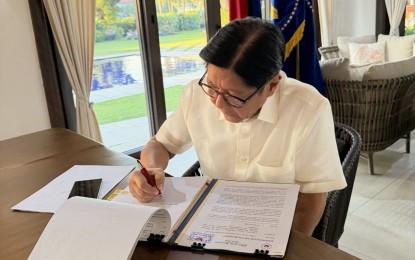
Manila, Philippines — In a decisive move shaped by mounting geopolitical uncertainty, Ferdinand R. Marcos Jr. has declared a state of national energy emergency, signaling the government’s urgent push to shield the country from looming fuel supply disruptions and economic instability.
Through Executive Order No. 110, signed Tuesday, the President warned that escalating conflict in the Middle East—particularly threats to vital oil transit corridors like the Strait of Hormuz—could significantly disrupt global fuel flows. For the Philippines, a nation heavily reliant on imported petroleum, the stakes are especially high.
- Pezeshkian Highlights Iran’s Peace & Non-Proliferation Pledge at UN
- Roblox Ban in the Philippines
- 26 Filipinos from Labor Trafficking in Malaysia
- Malasiqui, Pangasinan: Hope in the Fight Against Child Stunting
- Pakistani Farmers Sue German Firms Over 2022 Floods
- Bato Dela Rosa’s, Call for ‘No Work, No Pay’
- Iran Allows Select Ships Safe Passage Through Strait of Hormuz
The order underscores a sobering reality: any interruption in global oil production or transport could trigger shortages, price surges, and ripple effects across industries, transport systems, and household consumption. “The Philippines remains highly dependent on external sources of fuel supply,” the directive stated, emphasizing the country’s vulnerability to global shocks.
To counter these risks, the administration has activated a comprehensive, multi-agency strategy under the Unified Package for Livelihoods, Industry, Food, and Transport (UPLIFT). This framework is designed not only to secure energy supply but also to ensure the continuity of essential services and protect the most vulnerable sectors.
At the helm of this initiative is a newly formed UPLIFT Committee, chaired by President Marcos himself. Key Cabinet officials—including those from energy, transportation, agriculture, finance, and social welfare—will coordinate efforts to monitor and stabilize the supply of fuel, food, and medicine while maintaining the operation of public utilities and healthcare systems.
The committee is also tasked with streamlining government processes and crafting long-term solutions aimed at reducing the country’s dependence on imported oil.
The Department of Energy has been directed to immediately implement fuel optimization strategies, including load management and stricter conservation measures. Public campaigns promoting energy efficiency and behavioral change are expected to intensify in the coming weeks.
At the same time, EO 110 positions the crisis as a turning point—accelerating the nation’s shift toward renewable energy and cleaner alternatives. Plans include expanding electric vehicle use in public transport and integrating sustainable energy systems into agriculture and manufacturing.
Government-owned firms such as the Philippine National Oil Company and its exploration arm have also been authorized to fast-track fuel procurement, even allowing advance payments beyond typical limits to secure supply.
The order empowers authorities to act against hoarding, profiteering, and manipulation of fuel supply measures aimed at preventing artificial shortages and protecting consumers from price exploitation.
Local government units are urged to align with national directives, while the private sector and civil society are called upon to support logistics, services, and interventions for affected communities.
The declaration draws authority from the Republic Act No. 7638, which allows the President to act in the face of imminent energy crises. It also rests on constitutional provisions granting executive control over national agencies.
EO 110 takes effect immediately and will remain in force for one year, unless lifted or extended by the President.
Understanding the Energy Emergency Declared by President Ferdinand R. Marcos Jr.
On March 24, 2026, President Ferdinand R. Marcos Jr. declared a national energy emergency in response to unprecedented challenges facing the country’s energy sector. This declaration was not only a significant government action but also a necessary response to a confluence of factors that threatened the stability of energy supply and accessibility across the nation. With concerns rising over energy shortages, the declaration aims to enable immediate measures to safeguard the energy needs of the populace.
The energy emergency was necessitated by a multitude of pressing issues, including a decline in domestic energy production, increased international fuel prices, and ongoing geopolitical tensions affecting energy imports. These factors, paired with an escalating demand for electricity and utilities, prompted the government to take swift action to ensure a reliable energy supply. The declaration underscores the importance of energy resilience in sustaining economic growth and overall societal functionality.
This emergency order is crucial as it opens up the possibility for the government to implement policies and initiatives more expeditiously, aimed at optimizing energy usage while also exploring alternative energy sources. The declaration serves as an acknowledgment of the urgent need for collaboration among various stakeholders in the energy sector, encompassing government agencies, private companies, and civil society, to tackle the ongoing energy crisis. Efforts will focus on stabilizing energy prices, increasing local production, and enhancing the country’s overall energy security.
In summary, the national energy emergency declaration by President Marcos Jr. marks a critical juncture for the Philippines, as it seeks to navigate through these challenging conditions that threaten both the economy and the well-being of its citizens. The government’s proactive approach aims to harness immediate solutions while laying the groundwork for long-term sustainability in the energy sector.
Background on the Global Oil Market
The global oil market is currently characterized by significant volatility, largely driven by geopolitical tensions, particularly in the Middle East. This region is critical not only for its vast reserves of crude oil but also for its intricate network of supply routes. Ongoing conflicts in countries such as Iraq and Syria continue to disrupt production levels, thereby affecting global oil supply and prices. These disturbances exacerbate the uncertainty inherent in the market, leading to fluctuating oil prices that can spiral due to factors such as sanctions, wars, and trade disputes.
The Philippines stands as a notable player in this scenario, functioning primarily as a net importer of petroleum products. Approximately 90% of the country’s oil needs are met through imports, making it highly susceptible to global market dynamics. Changes in international oil prices directly influence the country’s economic stability and energy security. For instance, increases in oil prices impact everything from transportation costs to the price of goods, imposing a broader financial burden on consumers and businesses alike.
Executive Order No. 110: Key Provisions and Objectives
On December 8, 2022, President Ferdinand R. Marcos Jr. signed Executive Order No. 110, a pivotal document aimed at addressing the ongoing energy emergency in the Philippines. This executive order reflects the government’s commitment to tackle the multifaceted energy crisis by instituting a structured approach to energy management and resource allocation. Through this order, several critical provisions and objectives have been set forth, which will not only mitigate the immediate energy challenges but also lay the groundwork for sustainable energy practices in the future.
One of the key provisions of Executive Order No. 110 is the establishment of the National Energy Crisis Management Committee (NECMC). This committee is tasked with coordinating and monitoring the government’s response to the energy crisis, ensuring that measures are implemented efficiently. The NECMC will report directly to the President, thereby enabling swift decision-making and adaptive responses to the evolving situation.
Another significant aspect of the order is the emphasis on the Department of Energy’s (DOE) expanded role. The DOE is mandated to spearhead the formulation of short-term and long-term strategies to stabilize energy supply. This includes engaging with private sector stakeholders and international partners to explore avenues for energy importation, renewable energy utilization, and enhancing local energy production. By collaborating with various entities, the DOE aims to identify innovative solutions that can contribute to energy security.
Furthermore, Executive Order No. 110 highlights the importance of public awareness regarding energy conservation and efficiency. The mandate encourages the government to launch campaigns aimed at educating citizens on energy-saving practices, aimed at reducing the overall demand during peak periods. These initiatives are crucial as they foster a culture of energy responsibility among citizens, ultimately contributing to the collective effort to resolve the energy emergency.
The Importance of Energy Security for the Philippines
Energy security is a crucial aspect of national development and economic stability for the Philippines. It refers to the reliable availability of energy resources at an affordable price. In a country where energy consumption is growing rapidly, ensuring a stable supply of energy is essential for sustaining economic activities, attracting investments, and fostering public welfare. Disruptions in energy supply can have far-reaching consequences, including power outages, rising energy costs, and dampened economic growth.
The Philippines is heavily reliant on imported energy sources, leading to increased vulnerability to global market fluctuations and geopolitical tensions. Such dependencies pose significant risks, not only to energy prices but also to the overall economic stability of the nation. An energy emergency, as declared by President Ferdinand R. Marcos Jr., highlights the urgent need to prioritize energy security to mitigate these risks effectively.
Furthermore, energy security directly impacts the living conditions of the Filipino people. Reliable energy supply is necessary for various essential services, including healthcare, education, and transportation. Inadequate energy resources can hinder access to healthcare facilities, disrupt educational institutions, and create challenges in daily commuting, frustrating public welfare efforts. As the government seeks to enhance energy security, it becomes vital to develop energy infrastructure, diversify energy sources, and adopt sustainable practices that can adapt to changing global energy demands.
In summary, energy security is not merely a technical issue; it is fundamentally tied to the Philippines’ economic performance and societal well-being. Ensuring a stable energy supply will help safeguard the nation’s development goals, boost resilience against external shocks, and ultimately support a better quality of life for its citizens. It is essential for the government and stakeholders to work in unison towards achieving a secure and sustainable energy future for the Philippines.
Analysis of Potential Disruptions in Fuel Supply
The current energy emergency, declared by President Ferdinand R. Marcos Jr., underscores a critical evaluation of the factors influencing fuel supply disruptions. One of the most significant factors is the geopolitical position of the Strait of Hormuz. This narrow waterway, located between Oman and Iran, is a crucial route for oil shipments, with approximately 20% of the world’s crude oil passing through it. Any instability in this region can prompt a ripple effect across global fuel markets, affecting pricing and availability.
Additionally, tensions involving regional powers and maritime security threats may lead to increased insurance costs for shipping companies. This, in turn, could result in elevated fuel prices that impact consumers at a local level. Moreover, the Strait’s narrowness poses navigational challenges and potential choke points, heightening the vulnerability of shipping routes critical to energy distribution. Even minor disruptions, whether through geopolitical conflicts or natural disasters, can significantly affect the flow of oil.
Furthermore, as global energy demand continues to grow, reliance on these vital shipping lanes becomes more pronounced. Changes in trade policies, such as sanctions or tariffs imposed by major oil-exporting countries, may also influence the reliability of fuel supply chains. Countries that depend heavily on energy imports must remain vigilant about their energy security and consider diversifying their sources of supply to mitigate potential risks. Strategic alliances with alternative energy producers, like those in Africa or the Americas, could provide a buffer against future disruptions.
Overall, analyzing these multifaceted elements that impact fuel supply highlights the interconnectedness of global energy systems and the necessity for effective contingency planning for nations relying on imported energy resources.
Impact on the Philippine Economy
The recent declaration of an energy emergency by President Ferdinand R. Marcos Jr. has raised significant concerns regarding its potential consequences on the Philippine economy. This emergency status, primarily aimed at addressing widespread fuel shortages, is likely to reverberate across various sectors. As fuel is a critical component powering transportation, manufacturing, and daily consumer activities, its scarcity could lead to numerous economic challenges.
One of the primary domains affected will be transportation. Public transportation systems, which heavily rely on diesel and gasoline, may face drastic operational constraints due to fuel shortages. The ensuing reduction in transportation efficiency could lead to increased fares, as operators try to offset rising costs. Furthermore, commuting difficulties could deter consumers from traveling, adversely impacting local businesses that rely on foot traffic.
Additionally, the manufacturing sector stands to suffer significantly. Industries that depend on fuel for production processes will experience interruptions, potentially leading to decreased output and a slower supply chain. As production timelines extend, the cost of goods could escalate, directly affecting retail prices. Small and medium enterprises (SMEs), which often operate on thin margins, may find it challenging to sustain operations amidst these rising costs, possibly resulting in job losses.
The general consumer also faces repercussions as a result of this energy emergency. Escalating fuel prices will likely translate to higher expenses for everyday goods and services. Households may find their budgets stretched as the costs associated with transportation and utilities rise. In regions where energy costs are directly correlated to household income, vulnerable families could be disproportionately affected, leading to increased economic disparities.
In light of these interconnected challenges, it is imperative for policymakers to consider holistic strategies that mitigate the adverse economic impacts stemming from this energy emergency. Balancing the immediate energy needs with long-term economic stability will be crucial for the Philippines as it navigates these difficult times.
Government Strategies and Preventive Measures
In response to the energy emergency declared by President Ferdinand R. Marcos Jr., the Philippine government has implemented a series of coordinated measures to stabilize the energy supply. These strategies are spearheaded by the Department of Energy (DOE) in collaboration with other relevant agencies, ensuring a unified approach to addressing the challenges posed by potential fuel supply disruptions.
One of the primary strategies includes the enhancement of local energy production. By increasing reliance on renewable energy sources, the government aims to reduce dependence on imported fuels, which can be vulnerable to global market fluctuations. The DOE has initiated programs to incentivize investments in solar, wind, and hydropower projects. By diversifying the energy mix, the government seeks to create a resilient energy landscape less susceptible to external shocks.
Additionally, the government has put forth preventive measures aimed at optimizing fuel supply chains. This involves close monitoring of fuel inventories across the nation to anticipate and mitigate shortages. The DOE collaborates with energy distributors and suppliers to ensure ample stockpiles are maintained and to activate contingency plans as needed. Such plans may include the strategic release of government-held reserves or the temporary suspension of fuel taxes during critical periods.
Furthermore, public awareness campaigns are being launched to educate consumers about energy conservation practices. By encouraging responsible usage and energy-saving measures, the government aims to lessen overall demand during periods of crisis. This collective action not only helps in stabilizing the energy supply but also promotes a culture of sustainability among the populace.
Through these comprehensive strategies and preventive measures, the Philippine government demonstrates its commitment to ensuring that citizens continue to have access to reliable energy, while also laying the groundwork for a more sustainable energy future.
Public Response and Community Preparedness
The declaration of an energy emergency by President Ferdinand R. Marcos Jr. has activated a variety of responses from the public and local communities throughout the nation. With heightened awareness stemming from potential fuel shortages, individuals and businesses alike are taking proactive measures to mitigate the impacts of this energy crisis.
Many citizens are now focusing on energy conservation practices. Simple daily adjustments, like reducing electricity usage during peak hours, utilizing energy-efficient appliances, and incorporating alternative energy sources like solar panels, are becoming more prevalent. Public awareness campaigns are encouraging the use of public transportation to alleviate fuel consumption. These actions not only serve individual households but also contribute to reducing the overall strain on national energy resources.
Furthermore, local businesses are similarly assessing their operations to adapt to the energy emergency. Enterprises that rely heavily on fuel are exploring options such as optimizing delivery routes, investing in fuel-efficient vehicles, and providing incentives for remote work arrangements. By adopting such strategies, businesses can not only maintain their operations but also support the community’s efforts to lessen fuel dependency.
Communities are also focusing on developing emergency preparedness plans. Local government units are organizing informational sessions and workshops aimed at educating citizens on effective energy management strategies during the emergency. Collaborations with non-profit organizations are fostering community resilience, where residents are encouraged to form groups to share resources and support each other during potential shortages.
As the energy emergency evolves, the proactive engagement of the public and local businesses is crucial. Through effective preparedness and community action, the impact of the energy crisis can be managed more effectively, ensuring that households and businesses work together to navigate these challenging times.
Conclusion and Long-Term Implications
The national energy emergency declaration by President Ferdinand R. Marcos Jr. underscores an urgent response to the escalating energy crisis in the Philippines. This declaration serves as a critical measure to mobilize resources and prioritize strategies that ensure immediate relief to the populace affected by rolling blackouts and energy shortages. It highlights the pressing need for comprehensive reforms within the country’s energy sector, emphasizing the importance of catering to growing energy demands and enhancing energy security.
The implications of this declaration extend far beyond immediate remedial actions. In the long term, it necessitates a reevaluation of the Philippines’ energy policies, particularly regarding its heavy dependence on foreign fuel resources. As energy sustainability becomes a cornerstone of global energy strategies, it is crucial for the Philippines to invest in alternative energy sources, such as renewable energy. Transitioning to renewable sources not only aligns with global sustainability goals but also mitigates risks related to foreign fuel dependency, enhancing energy security and stability.
Moreover, this energy emergency can be seen as a catalyst for fostering innovation and encouraging local energy production initiatives, which could lead to a diversified energy portfolio. By promoting the development of geothermal, solar, wind, and hydropower projects, the Philippines can harness its natural resources more effectively and move toward a more self-sufficient energy future. As the nation navigates through these challenges, the integration of technology and sustainable practices will play a pivotal role in shaping a resilient energy framework.
In conclusion, the declaration of a national energy emergency reflects an acute awareness of existing energy vulnerabilities while also acting as a turning point for reform. By addressing both immediate needs and long-term goals, the Philippines can strategically position itself to overcome current challenges and build a more robust and sustainable energy landscape.
Understanding EO 110: A Unified Response to National Crises
Executive Order 110 (EO 110) represents a significant initiative aimed at providing a coherent framework for responding to national crises. Established to address the complex and evolving landscape of challenges faced by the nation, EO 110 serves as a strategic tool designed to streamline government responses and align resources effectively. The order underscores the importance of a unified approach in tackling issues that threaten national security and public welfare.
One of the primary purposes of EO 110 is to enhance communication and collaboration among various governmental entities, thereby fostering a more integrated response mechanism during emergencies. This is particularly relevant given the increasing frequency and intensity of crises such as natural disasters, public health emergencies, and geopolitical conflicts. By laying out clear guidelines for action, EO 110 ensures that all stakeholders are equipped to respond promptly and efficiently, minimizing the potential for confusion and disconnection during critical moments.
Additionally, EO 110 bears relevance in the context of ongoing global challenges that necessitate a proactive stance in safeguarding national interests. In an era where threats can arise from multiple fronts—be it cyberattacks, economic disruption, or political instability—the need for a comprehensive response framework is paramount. The order not only emphasizes preparedness but also aims to bolster resilience within communities, granting local governments and agencies the authority and resources to address issues effectively at their level.
In essence, EO 110 is a pivotal step towards establishing a robust infrastructure for crisis management, emphasizing the need for a coordinated approach to protect the nation against multifaceted threats. Its implementation will be critical in ensuring that the government can adeptly navigate the uncertainties of the future while maintaining public trust and security.
The Unified Package for Livelihoods, Industry, Food, and Transport (UPLIFT) Framework
The Unified Package for Livelihoods, Industry, Food, and Transport (UPLIFT) framework represents a comprehensive strategy aimed at addressing the multifaceted challenges that arise during national crises. This initiative is designed to bolster key sectors critical to the survival and recovery of the economy, ensuring that livelihoods are protected and essential services remain operational. The framework operates on several core objectives, aimed at facilitating sustainable economic growth while prioritizing public welfare.
First and foremost, the UPLIFT framework targets the support of essential sectors, including agriculture, transportation, and industry. By fortifying these areas, the program seeks to enhance food security and maintain the uninterrupted supply of goods and services. It is essential that these sectors are equipped to handle disruptions caused by crises, which is why UPLIFT emphasizes resilience, adaptability, and resource efficiency. Through targeted investment and policy reform, the framework aims to strengthen supply chains and provide necessary infrastructure upgrades.
Moreover, UPLIFT recognizes the critical role of energy supply in maintaining economic stability. Ensuring access to reliable domestic energy sources is a central component of the initiative, as energy availability directly impacts various industries and essential services, such as healthcare and transportation. The strategy seeks to promote investments in renewable energy and improve energy efficiency across sectors, fostering a sustainable energy landscape that can withstand future challenges.
In summary, the UPLIFT framework serves as a unified response to bolster vital sectors like livelihoods, food production, industry, and transport during periods of national crisis. By establishing a resilient operational structure and ensuring the availability of domestic energy, the program lays the groundwork for a stable and prosperous future, even amidst adversity.
Establishment of the UPLIFT Committee
The UPLIFT Committee, established under Executive Order 110 (EO 110), is designed to serve as a pivotal element in the cohesive response to national crises. This committee comprises a diverse group of members representing various sectors, including government agencies, non-profit organizations, and private sector stakeholders. This diversity ensures that the committee can formulate comprehensive strategies that address a wide range of challenges during emergencies.
Each member of the UPLIFT Committee has been assigned specific roles and responsibilities that leverage their expertise and resources to effectively respond to national crises. For instance, representatives from public health agencies are tasked with overseeing health-related responses, while those from emergency management organizations focus on logistical coordination and community support operations. This cross-sector collaboration enhances the committee’s ability to implement a robust and adaptable framework for crisis management.
In addition to the defined roles, the committee holds a crucial oversight function in monitoring and evaluating the implementation of the strategies devised under EO 110. This involves assessing the effectiveness of the actions taken during emergencies, identifying areas of improvement, and ensuring accountability among the involved parties. The oversight mechanism not only reinforces the integrity of the response efforts but also serves to build public trust in the processes established by the UPLIFT Committee.
Furthermore, the committee is expected to engage in continuous dialogue with relevant stakeholders, thereby fostering a collaborative environment that encourages innovation and the sharing of best practices. Through these efforts, the UPLIFT Committee aims to create a resilient framework capable of addressing current and future crises more effectively. The comprehensive approach adopted by the committee underscores the importance of unity and coordination in crisis response, fulfilling the overarching objectives of EO 110.
Key Responsibilities of the UPLIFT Committee
The UPLIFT Committee plays a crucial role in overseeing the implementation of EO 110 by taking on specific responsibilities that ensure a unified response to national crises. One of the primary tasks assigned to the committee is the monitoring of the supply and distribution of essential goods. This involves tracking inventory levels for food, medical supplies, and other necessities to ensure that these critical resources are adequately supplied to areas in need during emergencies. Effective coordination among different sectors and agencies is vital in this regard, as it can prevent shortages and ensure equitable access to resources.
Another significant responsibility of the UPLIFT Committee is to maintain public transportation operations. The committee is tasked with ensuring that public transit systems continue to function efficiently, which is essential for evacuations and the transportation of personnel critical to crisis management. By developing strategies that prioritize safety and accessibility, the UPLIFT Committee ensures that transportation remains viable, even under challenging conditions. This element of operation is vital in connecting individuals with the essential services and resources they require during a national crisis.
Furthermore, the UPLIFT Committee is charged with coordinating efforts aimed at promoting economic stability during crises. Economic disruptions can have a profound impact on communities, and the UPLIFT Committee works to implement strategies that mitigate these effects. This includes liaising with businesses, providing financial incentives, and creating initiatives that support workforce stability, thus promoting resilience within the economy. Understanding the interplay between supply chains, public transportation, and economic conditions is paramount for the committee as it formulates comprehensive responses designed to enhance recovery and sustainability.
Energy Conservation Strategies
Executive Order 110 emphasizes the necessity for a unified approach to managing energy resources in response to national crises. Central to this initiative is the implementation of energy supply management measures that aim to enhance efficiency and promote sustainability. One of the primary strategies outlined in EO 110 involves the development of comprehensive optimization plans that focus on maximizing existing energy resources while minimizing waste. These plans are designed to facilitate a more resilient energy infrastructure capable of withstanding disruptions.
Moreover, the transition towards renewable energy sources forms a critical component of this executive order. EO 110 advocates for the accelerated adoption of solar, wind, and other alternative energy technologies. By incentivizing investments in these areas, the order aims to reduce dependency on fossil fuels and foster a more sustainable energy paradigm. This shift not only aligns with global environmental goals but also enhances energy security, ensuring that the nation is better prepared for future challenges.
In tandem with renewable energy transitions, the promotion and integration of electric vehicles (EVs) into the national transportation framework is another significant strategy. EO 110 calls for advancements in EV technology, infrastructure development, and policies that stimulate the growth of electric vehicle usage. By supporting initiatives that encourage the adoption of EVs, the executive order seeks to decrease greenhouse gas emissions and lower the nation’s carbon footprint. Ultimately, the interplay between renewable energy integration and electric vehicle proliferation signifies a critical step toward achieving long-term energy conservation goals.
Collaboration Among Government Agencies
Executive Order 110 (EO 110) plays a pivotal role in necessitating collaboration among various government agencies to address national crises effectively. In light of the challenges posed by inadequate energy supply and potential malpractices within the supply chain, EO 110 reinforces the importance of inter-agency coordination to foster a comprehensive response. The order stipulates that agencies must work synergistically to ensure a stable energy supply, which is critical for both the economy and public welfare.
To facilitate this collaboration, EO 110 mandates the establishment of communication frameworks and protocols that allow for seamless information sharing regarding energy resources. This structure enables agencies such as the Department of Energy (DOE), the Federal Trade Commission (FTC), and local government bodies to analyze data collectively and implement strategic actions. By pooling their resources and insights, these agencies can identify potential shortages and respond proactively to avert energy crises.
Moreover, EO 110 emphasizes the need to combat hoarding and manipulation within the energy market. By collaborating closely, government entities can enhance monitoring systems that detect irregularities in supply chain practices. This includes coordinating enforcement efforts to investigate and penalize any malicious actions that jeopardize the stability of energy availability. The synergy among agencies also extends to public communications, ensuring that accurate information reaches the community to mitigate panic and misinformation.
In essence, the collaboration mandated by EO 110 encapsulates a comprehensive approach, aligning resources, expertise, and authority among various government sectors. This collaborative effort not only strives to keep energy supplies stable but also safeguards the market against exploitation, ensuring the well-being of the nation during times of crisis.
Community and Private Sector Involvement
In light of the challenges posed by national crises, the importance of collaborative efforts among various stakeholders cannot be understated. Local government units (LGUs), civil society organizations (CSOs), and the private sector play critical roles in supporting vulnerable communities. These stakeholders are essential in implementing the directives set forth in Executive Order 110 (EO 110), which seeks to create a cohesive framework for crisis response.
Local government units are often the front-line responders during emergencies. They possess an intimate understanding of the unique needs and resources of their communities. As such, LGUs are encouraged to devise localized strategies that address specific vulnerabilities. This might include coordinating disaster response initiatives, ensuring the distribution of resources, and facilitating communication among affected populations. Through these initiatives, LGUs can effectively contribute to the overarching objectives of EO 110.
Moreover, civil society organizations are instrumental in mobilizing community resources and providing necessary support services during crises. These organizations, often rooted in their communities, can bridge gaps between the government and the populace. They engage in advocacy, deliver humanitarian aid, and provide essential services such as healthcare and education. By partnering with LGUs and other sectors, CSOs can amplify efforts to strengthen community resilience and foster recovery.
The private sector, too, is a pivotal player in addressing national crises. Businesses can leverage their resources, expertise, and networks to aid in recovery and restoration efforts. Collaborating with government agencies and community organizations, the private sector can provide financial assistance, logistics support, and innovative solutions that enhance overall crisis management. Such partnerships can lead to sustainable development initiatives, ultimately benefiting both businesses and the communities they serve.
Funding and Resource Allocation
Executive Order 110 (EO 110) establishes a framework for addressing national crises through a coordinated response, and an essential aspect of this framework is its funding and resource allocation. To ensure the effective implementation of EO 110, the Department of Budget and Management (DBM) will play a pivotal role in sourcing financial resources. The primary mechanism for funding will involve reallocating existing appropriations from relevant government agencies.
By strategically reviewing their budgetary allocations, agencies can identify surplus funds that may be redirected towards initiatives outlined in EO 110. This approach serves two purposes: it optimizes the use of available government resources and minimizes the need for additional financing. Furthermore, the DBM will establish clear guidelines for how these reallocated funds can be utilized, ensuring accountability and efficiency in the distribution process.
In addition to reallocating appropriations, the DBM is tasked with identifying alternative resources that can support the operational needs of EO 110. This may involve collaborating with other governmental bodies, non-governmental organizations, and private sector partners to secure grants, donations, or other forms of assistance. The goal is to create a comprehensive funding strategy that guarantees all necessary resources are mobilized in a timely manner for an effective crisis response.
Furthermore, transparency in funding allocation is crucial. The DBM will be responsible for tracking expenditures associated with EO 110’s initiatives and providing regular reports on financial activities. This transparency will foster public trust and ensure that funding mechanisms are being utilized properly, reflecting the government’s commitment to effectively addressing national crises while maximizing the impact of investments in public safety and preparedness.
Legal Foundations of EO 110
The enactment of Executive Order (EO) 110 is firmly anchored in the legal and constitutional framework of the Philippines, ensuring that measures taken during national emergencies are legitimate and enforceable. Primarily, the authority for EO 110 derives from various provisions of the 1987 Constitution, notably those relating to the promotion of the general welfare and the protection of public safety. These constitutional mandates empower the government to implement necessary actions aimed at addressing urgent national issues, including energy crises.
Moreover, Republic Act 7638, also known as the Department of Energy (DOE) Act of 1992, lays down crucial operational guidelines for responding to energy emergencies. This particular law provides the DOE with extensive powers, allowing it to declare a national energy emergency and initiate policies aimed at ensuring energy security. EO 110 leverages these stipulations by establishing a comprehensive framework for governmental coordination and resource mobilization in the face of energy-related challenges.
Furthermore, legal precedents highlight the importance of declaring a national emergency as a mechanism for the government to act swiftly and decisively. Such declarations are fundamental in lifting regulatory constraints and mobilizing resources effectively to manage any disruptions in the energy supply chain. This legal underpinning not only legitimizes the actions taken in accordance with EO 110 but also serves as a safeguard against potential overreach or misuse of power. By aligning the executive order with established laws and constitutional rights, EO 110 reflects a cohesive response strategy to national energy crises, affording mechanisms that can adapt to varying circumstances while maintaining adherence to legal scrutiny.
- Worst Country I’ve Visited- Thailand Girl, Stark Warning After Disappointing Vietnam Trip
- Artemis II | NASA, Voyage, Mission & Moon
- A Prayer of Thanksgiving for Divine Blessings, Triumph, Forgiveness, and Good Health
- NASA’s Artemis II Departs Earth Orbit for Historic Moon Flyby
- NASA: The Artemis Generation Takes Flight with Historic Artemis II Mission
- Victor Glover | Life, Education & NASA Career
- Philippines vs China, When Betrayal Comes from Within: The Cost of Selling a Nation
- Supreme Court Affirms Dismissal of GMA Network’s Complaint Against ABS-CBN Over TV Ratings Dispute
- List of political ideologies
- Andrew Heywood | British author, Educationalist, & political theorist
- Holy Wednesday: A Solemn Reminder on Judas Iscariot Betrayal of Jesus Christ
- Judas Iscariot | About in the Bible, Betrayal & Apostle
- Relief or Rhetoric? Imee Marcos’ Call to Suspend Government Deductions Remains Without Action—Just Words
- Gatchalian Renews Push to Keep Minors Off Social Media
- Donald Trump Floats Seizing Iran’s Kharg Island Oil Hub, Wider Middle East Conflict
- Kharg Island | Geography, Historical and Importance of Iran
- Mary, mother of Jesus Christ
- SURVEY: Who would you vote as Philippine President in 2028?
- Matty Juniosa Gets Golden Buzzer on Britain’s Got Talent
- Pope Leo XIV Warns, Prayers of Those Who Wage War Will Not Be Heard
- Iran New Peace Demand, control Strait of Hormuz — Bring Net Billions
- Philippines, China Begin Talks on Sea Energy Cooperation
- Jesus Christ | God of Christians, Teachings, Miracles, Death, & Doctrines
- Holy Week 2026
- Genghis Khan (Temüjin)