Members of the Boracay Ati Tribal Organization (BATO) staged a protest outside the Department of Agrarian Reform (DAR) provincial office on March 16, 2026, urging President Ferdinand R. Marcos Jr. to reverse the cancellation of their land titles and reinstate their claim to ancestral lands on Boracay Island.
The indigenous community, who were awarded approximately 3.1 hectares of land through Certificates of Land Ownership Awards (CLOAs) in 2018 under the Duterte administration, were dismayed by the DAR Central Office’s final order in March 2024, which canceled these titles. The revocation was based on soil tests conducted by the Bureau of Soils and Water Management deeming the land unsuitable for agriculture.
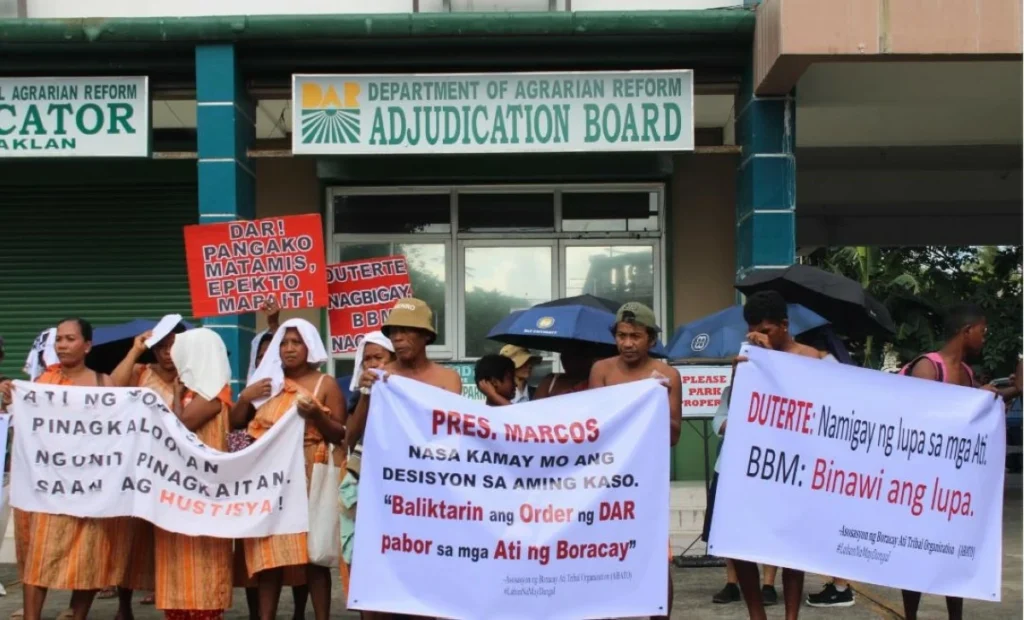
KALIBO, Aklan — In a poignant display of resilience amid ongoing displacement, members of the Boracay Ati Tribal Organization (BATO, also referred to as ABATO) marched and protested outside the Department of Agrarian Reform (DAR) provincial office here on March 16, 2026, urgently calling on President Ferdinand R. Marcos Jr. to reverse the cancellation of their land titles and restore their rightful place on the iconic island.
The group, representing the island’s original Ati inhabitants, demanded the return of approximately 3.1 hectares previously awarded through Certificates of Land Ownership Awards (CLOAs) under former President Rodrigo Duterte in 2018. That initiative was part of Boracay’s massive rehabilitation program, aimed at providing the marginalized indigenous community with farmland and secure livelihoods on what has become one of the world’s premier tourist destinations.
- Boracay Ati Demand Land Back from Ferdinand Marcos Administration
- 2026 Philippine Barangay and SK Elections
- Iranian Community in Philippines Faces Bank, GCash Issues & Stereotypes
- Pacquiao Sues Over False Allegations in Mayweather Fight Dispute
- DepEd Targets 24,000 New Classrooms by the End 2026
- Filipina Caregiver Dies Saving Elderly Ward in Tel Aviv Missile Strike
- Jesus Crispin Remulla Meets ICC on Rodrigo Duterte Case Witnesses
- DepEd Rolls Out Strengthened SHS Curriculum Nationwide for SY 2026–2027
- DepEd Announces Schedule of Bonuses and Allowances for Personnel 2026
March 2024, the DAR Central Office issued a final order canceling the five CLOAs after soil tests by the Department of Agriculture’s Bureau of Soils and Water Management deemed the parcels unsuitable for agriculture. The decision followed petitions from private land claimants and developers, who have since barricaded sections of the property and deployed security guards to block Ati access actions the community describes as repeated harassment and effective eviction.
Placards waved during Monday’s protest carried pointed messages contrasting administrations: “Duterte gave land to Ati. BBM reclaimed land.” Demonstrators argued that they had successfully cultivated the land, producing crops to support their families and even supply local hotels, directly challenging the “unsuitable for farming” rationale used to revoke their titles.
The Ati’s struggle echoes a painful history of marginalization on Boracay, where private developers and landowners have long viewed indigenous residents as obstacles to commercial development. In 2013, Ati leader Dexter Condez was fatally shot by a private security guard amid a similar land dispute over 2.1 hectares.
Despite the revocation, the community insists the land represents not just economic opportunity but ancestral heritage and basic human rights. They have appealed for reconsideration under the current administration, emphasizing that the small portion they claim pales against Boracay’s vast tourism-driven landscape.
As the protest unfolded, BATO leaders expressed hope that President Marcos would intervene to rectify what they call an injustice, allowing the Ati to reclaim dignity and stability on the island they have inhabited for generations. No immediate response from Malacañang or the DAR has been reported following the demonstration.
Boracay’s Ati Indigenous Community Pleads for Land Restoration
The Ati indigenous community holds a significant historical presence on Boracay Island, Philippines. This community is one of the first inhabitants of the island, with a rich cultural heritage that has sadly faced numerous challenges over the years. Historically, the Ati people practiced sustainable agriculture and fishing, contributing to the biodiversity and cultural tapestry of Boracay. However, the rapid development and commercialization of the island, particularly in the last few decades, have led to a gradual loss of their ancestral lands.
Recent events have catalyzed a renewed struggle for the Ati community, especially with the controversial implementation of land titles that have disregarded their ancestral claims. The Philippine government, under President Marcos, has been urged by the Ati to reconsider actions related to their land ownership. They argue that the cancellation and distribution of their ancestral land titles are unjust and threaten their very existence as a community. As development projects continue to proliferate on the island, the Ati feel increasingly marginalized, as their rights to their historic lands are ignored.
This urgent plea from the Ati community compels not just local and national attention, but also appeals to the conscience of global observers. The protest led by the Ati people reflects a growing concern for land rights and indigenous sovereignty, showcasing the importance of safeguarding the heritage and livelihood of the indigenous populations. The need for reinstating their land titles resonates deeply within the broader context of indigenous rights across the globe, where similar stories of land dispossession and cultural erosion continue to unfold.
The call to action is clear; the Ati community is fervently asking for a recognition of their historical significance and rightful ownership of the land to ensure their survival and cultural integrity. This situation not only calls for immediate intervention but also highlights the ongoing struggle faced by indigenous communities in preserving their legacy amidst modern challenges.
A Brief History of Boracay and the Ati People
Boracay, known for its stunning white-sand beaches and vibrant nightlife, is not only a premier tourist destination in the Philippines but also the ancestral home of the Ati people. The Ati, belonging to the Indigenous community, are believed to be the original settlers of the island, with their presence dating back many centuries. These early inhabitants lived harmoniously with nature, practicing subsistence farming and fishing, and carving out a rich cultural heritage characterized by traditional music, dance, and handicrafts.
The cultural identity of the Ati is deeply embedded in their connection to the land. They have a profound respect for nature, which is reflected in their rituals and community practices. The Ati’s way of life is intricately linked to the natural resources of Boracay, which they consider sacred. Historically, their lifestyle was sustainable, with an emphasis on communal living, sharing, and cooperation among community members.
The modernization of Boracay has significantly impacted the Ati’s traditional way of life. With the arrival of tourism in the late 1970s, the island underwent rapid development, leading to increased migration and commercialization. The famous white beaches became crowded with resorts, restaurants, and tourist facilities which, while economically beneficial for some, displaced many Indigenous people from their ancestral lands. The challenges presented by land encroachments, loss of resources, and erosion of cultural practices have prompted the Ati community to advocate for their rights and seek restoration of their ancestral domain.
Thus, the history of Boracay is marked by a contrast between the beauty and commercial success of the island and the struggles faced by the Ati people. As the world becomes more aware of the need for sustainable tourism practices, the plight of the Ati community underscores the importance of preserving both cultural heritage and environmental integrity.
The Land Titles and Their Revocation: Timeline of Events
The timeline surrounding the Ati Indigenous Community’s land titles illustrates a complex and contentious history, marked by legal challenges and governmental decisions that have significantly impacted the community’s rights to their ancestral land.
In 2018, the Ati community received the Certificates of Land Ownership Award (CLOAs) from the Department of Agrarian Reform (DAR). This marked a pivotal moment as it granted the Ati people legal recognition of their ancestral lands, which had been inhabited by their ancestors for generations. The CLOAs were intended to provide the community with a formalized claim and protection against encroachment, thereby recognizing their rights under the Indigenous Peoples’ Rights Act.
By mid-2020, issues began to surface. Following a series of allegations regarding land disputes and claims from private developers, the local government initiated a review of the CLOAs. Compliance requests were made by the Land Registration Authority (LRA) to ascertain the legitimacy of claims being put forth by both parties, leading to heightened tensions within the community and between developers.
In 2021, the Department of Environment and Natural Resources (DENR) intervened, proposing a moratorium on land developments within the disputed areas. This intervention aimed to protect the Ati’s rights amid growing concerns over potential exploitation and violations of their land rights. Nonetheless, ongoing pressure from developers continued to mount.
The situation escalated in 2023 when the DENR announced a formal review of the existing CLOAs. By early 2024, the unexpected outcome of this review led to the revocation of the CLOAs, citing ‘administrative errors’ and undue influence from external parties as primary reasons. This decision not only invalidated the Ati community’s land rights but sparked widespread protests advocating for their restoration, underscoring the ongoing struggle for indigenous land rights in Boracay.
The Economic and Cultural Significance of the Land
The Ati community’s connection to their ancestral land in Boracay is pivotal, encompassing both economic opportunities and cultural identity. Farming is a primary source of livelihood for the Ati, allowing them to cultivate crops native to their heritage. The land not only provides sustenance for their families but also serves as a means for economic stability. Agricultural practices rooted in traditional knowledge enable the Ati to produce unique goods that contribute to local markets. This agricultural legacy connects them to their ancestors, reinforcing the cultural significance of their territory.
The loss of land directly threatens the community’s economic viability. Without access to fertile soil, the Ati face increased challenges in sustaining their agricultural practices, which are vital for their daily survival. Consequently, this impacts their overall economic health, leading to potential food insecurity and a loss of income. The land’s degradation would hinder their capacity to engage in trade and social exchange, further isolating the community economically and socially.
The ancestral lands represent more than just a physical space; they are a repository of history and identity for the Ati people. Each plot of land is imbued with stories and traditions, serving as a backdrop for rituals and communal gatherings that foster unity and cultural preservation. The spiritual connection to the land enriches their cultural heritage, embodying the teachings and values passed down through generations. Losing this land would not only erode their economic foundation but also displace their cultural roots, endangering their rich heritage. Consequently, restoring the Ati’s access to their ancestral lands is essential not only for economic sustainability but for the preservation of their identity and cultural continuity.
The Impact of Eviction and Ongoing Struggles
The eviction of the Ati indigenous community from their ancestral land in Boracay has resulted in profound and lasting impacts on their social structure, livelihood, and mental well-being. Land, not only represents a physical space for habitation but serves as a crucial component of the Ati’s cultural heritage and identity. Its loss has subjected the Ati people to severe socio-economic challenges, leading to increased poverty and a diminished collective strength.
In the wake of these displacements, the Ati tribe has faced ongoing harassment by private land claimants who have aggressively encroached on their rights. This harassment manifests in various forms, including intimidation tactics and legal threats, creating a climate of fear and uncertainty. Much of this behavior stems from entitlement narratives often perpetuated by external entities seeking to exploit the land for commercial purposes, disregarding the historical and cultural significance it holds for the Ati people.
The psychological toll on the community cannot be understated. Members of the tribe report experiences of anxiety, depression, and a sense of hopelessness that arise from a profound sense of betrayal and loss. The historical context of violence faced by the Ati, such as the tragic assassination of their leader Dexter Condez, further exacerbates their trauma. His death marked not only the loss of a vital figure but also highlighted the extreme risks involved in the struggle for land rights. The lingering effects of such violence contribute to a pervasive atmosphere of insecurity among the community, hindering their ability to organize effectively and advocate for their rights.
Rebuilding a sense of community and hope amidst these adversities remains a challenge. The Ati tribe continues to strive for recognition and restoration of their land rights, highlighting the urgent need for support from various sectors, including government bodies, NGOs, and civil society, to ensure their cultural survival and psychological recovery.
The Protest: Voices of Resistance and Hope
The Ati Indigenous community recently organized a significant protest in Kalibo, galvanizing support from both local citizens and various advocacy groups. This march, marked by vibrant banners and passionate chants, served as an expression of their fervent desire for the restoration of their ancestral lands. The streets were alive with the rhythmic sounds of drums, and the air was thick with a sense of purpose and unity.
Participants donned traditional attire, showcasing their rich cultural heritage as they marched for justice. Slogans emblazoned on placards like “Land is Life!” and “Ati Rights are Human Rights!” echoed through the streets, emphasizing their urgent demands. The community called upon President Marcos to acknowledge their plight, urging immediate action to rectify the injustices faced by the Ati people over the years.
Throughout the protest, there was an unmistakable spirit of solidarity among the demonstrators. Elders, youth, and children stood side by side, their voices merging into a powerful collective demand for recognition and respect. The event not only highlighted the grievances of the Ati community but also conveyed a message of hope. Participants expressed optimism that their efforts would lead to fruitful dialogue with government officials and ultimately, the restoration of their sacred lands.
This protest embodies more than resistance; it is a testament to the resilience of the Ati community. Their determined voices carry the weight of their ancestors’ struggles, and their hope for a favorable response becomes a rallying cry for justice. As they continued to march, the determination and unity of the Ati people shone brightly, embodying a beacon of hope for all indigenous communities fighting for their rights.
The plight of the Ati Indigenous Community in Boracay has drawn critical attention to the government’s response, or lack thereof, regarding the issues concerning land restoration and the protection of indigenous rights. Over the years, the government has made various commitments to uphold the rights of indigenous peoples; however, many members of the Ati community feel that these promises have not been fulfilled. The core of the issue resides in the inadequacies of governmental action in addressing the historical injustices faced by the Ati people, particularly regarding their ancestral lands.
Accountability is a fundamental expectation from any governing body, especially when it comes to marginalized communities. The current situation reflects a significant gap between policy and practice. While laws exist to protect the rights of indigenous groups in the Philippines, the implementation of these laws remains insufficient. Many Ati people have experienced displacement and loss of their cultural heritage due to development projects, yet formal recognition and restitution of their rights are still pending.
The government has an undeniable responsibility to ensure that the voices of the Ati Indigenous Community are heard and respected. This includes actively engaging with the community to understand their needs and grievances. Furthermore, addressing land restoration and preservation of indigenous cultures should be prioritized in national discourse. By fostering dialogue and promoting participatory governance, the government can take meaningful strides towards rectifying historical wrongs, empowering the Ati community, and fulfilling its legal obligations.
In light of these issues, it is imperative for the government not to regard the plight of the Ati community as a peripheral matter. Instead, it should be recognized as a core issue of human rights, deserving immediate attention and action. Only through a collaborative effort that centers the needs of indigenous peoples can the government hope to establish trust and facilitate long-lasting solutions.
Broader Implications for Indigenous Rights in the Philippines
The plight of the Ati Indigenous community in Boracay serves as a poignant reminder of the ongoing struggles faced by many indigenous groups in the Philippines. This situation reflects a significant concern regarding the implementation and enforcement of indigenous rights, as established in the Indigenous Peoples’ Rights Act (IPRA) of 1997. The law aimed to protect the ancestral domains and cultural heritage of indigenous communities, yet enforcement has been inconsistent, leaving many groups vulnerable to displacement and marginalization.
The ongoing challenges faced by the Ati can serve as a catalyst for broader discussions surrounding indigenous rights at a national level. With various stakeholders increasingly recognizing the importance of these rights, the situation could influence future policies aimed at ensuring greater representation and protection for marginalized groups. One pertinent aspect is the need for meaningful consultations between indigenous communities and government entities, ensuring that their voices are heard in decision-making processes that affect their lands and way of life.
This case also highlights the intersectionality of human rights issues, urging the government and civil society to address the economic, cultural, and social dimensions of the Ati’s struggle. The historical context of colonization and marginalization plays a critical role in shaping the current realities faced by indigenous communities in the region. By addressing these issues holistically, there is potential for more equitable and sustainable policies that advocate for indigenous rights across the archipelago.
The plight of the Ati community could galvanize other marginalized groups in the Philippines, leading to a collective call for justice and recognition of their rights. As the nation grapples with these complex challenges, it is essential for all stakeholders, including governmental bodies, non-governmental organizations, and local communities, to collaborate in crafting policies that uphold the dignity, rights, and sovereignty of indigenous peoples, ensuring a more inclusive future for all.
A Call for Justice and Recognition
The plight of Boracay’s Ati Indigenous Community highlights the ongoing struggles that many indigenous peoples face regarding their rights to ancestral land. As discussed throughout this article, the Ati community’s requests for land restoration are not merely requests but essential claims rooted in their historical connection to the land and their identity as a people. It is crucial to understand that the erasure of the Ati’s rights is not only a social injustice but a violation of cultural heritage that must be safeguarded. The government has an obligation to address these concerns swiftly and decidedly.
The absence of recognition for the Ati community encapsulates a broader pattern of neglect often experienced by indigenous groups across the Philippines. The policies and actions taken by government entities must reflect an understanding of the importance of land to the cultural, spiritual, and social fabric of the Ati people. This recognition is essential not only for their survival but also for the promotion of justice and equity within all communities.
To move forward, it is imperative that the government and relevant stakeholders engage in meaningful dialogue with the Ati community. Proactive measures must be adopted to restore their rightful land and ensure that their voices are heard in decision-making processes that impact them. The time for action is now, with sustained advocacy required to ensure that the rights of the Ati are no longer overlooked. The call for justice is not just a plea for the present moment; it is a demand for acknowledgment, respect, and an unwavering commitment to uphold the dignity and rights of the Ati Indigenous Community. Together, we must stand in solidarity to support their cause and work towards a future that recognizes and honors their ancestral rights.
- Worst Country I’ve Visited- Thailand Girl, Stark Warning After Disappointing Vietnam Trip
- Artemis II | NASA, Voyage, Mission & Moon
- A Prayer of Thanksgiving for Divine Blessings, Triumph, Forgiveness, and Good Health
- NASA’s Artemis II Departs Earth Orbit for Historic Moon Flyby
- NASA: The Artemis Generation Takes Flight with Historic Artemis II Mission