The Rise of Sanae Takaichi: Japan’s First Female Prime Minister
Early Life and Education
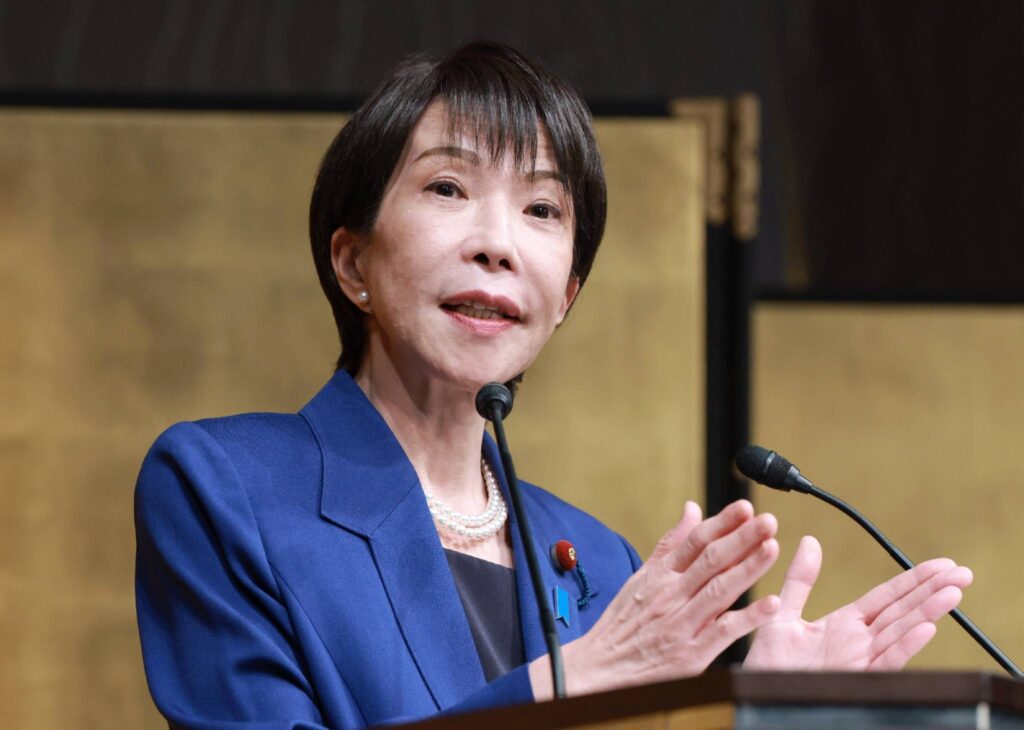
Sanae Takaichi was born in Yamatokōriyama, a city located in the Nara Prefecture of Japan. Growing up in an environment rich with cultural heritage and history, her early life in this historic locale significantly influenced her aspirations and political ambitions. Takaichi’s family instilled in her the values of hard work and perseverance, which would later manifest in her career.
READ MORE FAMOUS PEOPLE:
For her higher education, Takaichi attended Kobe University, where she focused on social sciences. It was here that she cultivated a strong analytical mindset and developed a keen interest in public policy and governance. Her academic pursuits laid a solid foundation for her future endeavors in politics. The diverse environment of Kobe University exposed her to a range of ideas and perspectives, shaping her worldview and preparing her for the complex political landscape of Japan.
Prior to her foray into politics, Takaichi amassed an eclectic blend of experiences that honed her leadership and communication skills. She worked as a legislative aide, where she gained firsthand knowledge of the inner workings of government and the legislative process. This role not only bolstered her understanding of political mechanics but also connected her to influential mentors in the political sphere.
In addition to her work as a legislative aide, Takaichi also made a name for herself as an author and broadcaster. Her work in media allowed her to engage with the public and articulate her views on various social and political issues. These experiences enriched her political acumen and positioned her well for her eventual leap into the political arena, culminating in her historic election as Japan’s first female Prime Minister.
Political Career Beginnings
Sanae Takaichi’s entry into the political arena marked the beginning of an important chapter in Japan’s history, as she emerged as a significant figure in a predominantly male-dominated field. In 1993, Takaichi was first elected as an independent candidate to the House of Representatives, representing the Kochi electoral district. Her election was a notable achievement, considering the formidable barriers women often face in politics. With her pragmatic approach and commitment to public service, she quickly earned recognition and respect among her peers.
In 1996, Takaichi aligned herself with the Liberal Democratic Party (LDP), a strategic move that provided her with the necessary support and resources to advance her political ambitions. Joining the LDP allowed her to leverage the party’s extensive network and funding, which proved vital for her future endeavors within the political landscape. As a member of the LDP, Takaichi began to make significant contributions, particularly in the area of economic reform and security policy.
During her early years in office, Takaichi demonstrated a keen understanding of the complexities of governance. She actively engaged with influential political figures such as former Prime Minister Shinzo Abe and other senior leaders within the LDP. This networking would later play a crucial role in her career trajectory, as she developed alliances that would support her rise through the political ranks. Her contributions during this period laid the foundation for her legacy and set the stage for her eventual ascent to the highest echelons of Japan’s political hierarchy.
Ministerial Roles and Influence
Sanae Takaichi, a prominent figure in Japanese politics and a member of the Liberal Democratic Party (LDP), has held several significant ministerial positions that have shaped her political journey. Serving under the administrations of Prime Minister Shinzo Abe and more recently under Prime Minister Fumio Kishida, Takaichi’s roles have been pivotal in establishing her influence and formulating her political platform.
One of her most notable positions was as the Minister for Internal Affairs and Communications from 2014 to 2017. In this role, Takaichi was responsible for overseeing critical aspects of Japan’s internal governance, including local administration, postal services, and telecommunications. This position not only allowed her to engage deeply with the governance structures within Japan but also provided her with a platform to address vital issues affecting citizens and communities nationwide. Her tenure was marked by various initiatives aimed at enhancing digital governance and improving communication infrastructure, which catered to modern needs, thus reinforcing her standing as a forward-thinking leader.
Later, Takaichi served as the Minister of State for Economic Security, a position that further solidified her reputation in the political landscape. This role involved addressing challenges related to Japan’s economic resilience and data protection, particularly in light of growing global competition and cybersecurity threats. Her leadership in this area was instrumental in developing policies aimed at ensuring the safety and sustainability of Japan’s economic framework. By focusing on economic security, she positioned herself as a critical figure in advocating for modern economic practices, which resonated with the public amidst ongoing economic uncertainties.
Through these ministerial roles, Sanae Takaichi effectively built her political platform, focusing on governance reform, economic resilience, and technological advancement. Her influence in these areas not only enhanced her political capital but also aligned her with contemporary issues facing Japan, setting the stage for her ambition to become the first female Prime Minister of Japan. Thus, her ministerial experiences have been vital in shaping her approach to leadership and her vision for the country’s future.
Leadership Ambitions and Challenges
Sanae Takaichi has emerged as a significant figure within the Liberal Democratic Party (LDP), marking her ground as a candidate with aspirations to lead Japan. Her participation in the leadership elections of 2021 and 2024 demonstrated her ambition to ascend to the highest political office in the country. In 2021, Takaichi put forth her candidacy amidst a highly competitive field, which included several prominent party members. Despite showing considerable determination and articulating a clear vision for Japan, she faced substantial challenges, including entrenched party dynamics and the traditional perceptions regarding leadership roles, particularly for women.
During the 2024 election cycle, Takaichi adapted her strategies, focusing heavily on the party’s younger members and utilizing modern communication tools to reach a broader audience. This approach not only highlighted her awareness of the socio-political landscape but also appealed to the electorate’s desire for a fresh perspective. She emphasized policies that resonated with contemporary issues such as economic recovery, national security, and gender equality, leveraging these topics to strengthen her campaign. Despite facing obstacles, including skepticism from male counterparts and the party’s historical inclination towards male leaders, Takaichi persevered.
Takaichi’s eventual success in becoming the first female president of the LDP in 2025 symbolizes a breakthrough in Japan’s political landscape. Her leadership style, characterized by a blend of assertiveness and empathy, provides insights into her capability to navigate complex political terrains. Furthermore, her election reshapes the expectations surrounding female leadership in Japan, inspiring future generations of women to pursue roles in governance and policy-making. The implications of her governance extend beyond her immediate achievements, as they contribute to the ongoing discourse about gender representation in political spheres, proving crucial for Japan’s progressive transformation.
Becoming Prime Minister
In October 2025, Japan witnessed a historic event with the election of Sanae Takaichi as the nation’s first female Prime Minister. This monumental moment was a culmination of several significant political developments, including the dissolution of the LDP-Komeito coalition that had traditionally held power. The coalition’s disbandment set the stage for Takaichi to ascend as a leading figure within the Liberal Democratic Party (LDP).
The decision to form a new coalition with the Japan Innovation Party was pivotal in her election. This agreement allowed Takaichi to secure a broad base of support, reflecting a strategic alliance aimed at addressing contemporary political challenges and reaching a diverse electorate. The partnership between the LDP and the Japan Innovation Party not only broadened her appeal but also signaled a shift in the political landscape, where collaboration across party lines became essential in fostering political stability.
Takaichi’s election is noteworthy in the context of Japan’s history of gender representation. Although women have gradually made strides within Japanese politics, they have historically been underrepresented in leadership roles. As Prime Minister, Takaichi symbolizes a breakthrough for women in a society where traditional gender norms have often hindered female participation in politics. Her leadership could inspire future generations of women leaders, establishing a new precedent in Japan’s political framework.
The significance of Takaichi’s election transcends mere party politics; it serves as a testament to Japan’s evolving societal attitudes towards gender and leadership. Her tenure promises potential reforms aimed at promoting gender equality and enhancing the role of women in decision-making processes. As the first female Prime Minister, Sanae Takaichi is not only shaping policy but also paving the way for a more inclusive political environment in Japan.
Early Challenges as Prime Minister
Upon assuming office, Sanae Takaichi encountered significant challenges that tested her leadership abilities and set the tone for her administration. One of the most pressing issues was the diplomatic crisis with China, triggered by her comments regarding Taiwan. Takaichi’s remarks, which underscored the importance of Taiwan’s security in the context of regional peace, were met with swift condemnation from Beijing. This situation highlighted the delicate balance Japan must maintain in its foreign policy, particularly in relation to its powerful neighbor, China.
Takaichi’s approach to foreign policy emphasized a proactive stance, intending to enhance Japan’s international presence and strengthen alliances, particularly with the United States. By addressing the Taiwan situation directly, she aimed to reaffirm Japan’s commitment to democratic values and regional stability. However, her comments also sparked a backlash, overshadowing her administration’s initial efforts to bolster Japan’s ties with Asian countries.
The impact of this diplomatic crisis on Japan-China relations cannot be underestimated. Takaichi’s administration faced accusations of exacerbating tensions, leading to a drop in bilateral communications. Efforts to engage China diplomatically were complicated, as both nations navigated historical grievances along with modern geopolitical interests. Takaichi’s government had to adopt a nuanced strategy to mitigate any fallout from her statements while sustaining Japan’s stance on sovereignty and security.
In this context, Takaichi’s early tenure as Prime Minister was characterized by a careful reevaluation of Japan’s foreign relations, particularly regarding how to address sensitive topics without alienating key partners or escalating conflicts. How she maneuvered through these complexities would not only define her administration but also have lasting effects on Japan’s diplomatic landscape in the region and beyond.
Policy Initiatives and Governance
Sanae Takaichi’s tenure as Japan’s first female Prime Minister marks a pivotal moment in Japan’s political landscape, particularly concerning her domestic policy initiatives. Takaichi advocates for a robust economic strategy characterized by increased government spending, aiming to stimulate growth in a nation grappling with stagnation and an aging population. Her administration is committed to revitalizing the economy through investments in infrastructure, technology, and education, which she believes will enhance Japan’s competitive edge in the global market.
In her approach to fiscal policy, Takaichi promotes a plan to increase public spending while simultaneously addressing the pressing need for fiscal discipline. She contends that strategic investments are essential to foster economic growth, yet acknowledges that such spending must be balanced with long-term fiscal sustainability. This dual focus is particularly relevant as Japan faces the challenge of a rapidly shrinking workforce and growing welfare costs associated with its aging demographic.
Moreover, Takaichi’s governance reflects her conservative stance on various social issues. Her administration prioritizes traditional family values and emphasizes the importance of social cohesion. This is evident in her initiatives aimed at supporting child-rearing and enhancing work-life balance, which she argues are critical to countering declining birth rates. While promoting these conservative ideals, Takaichi also underscores the need for gender equality in the workforce, aiming to elevate women’s participation in both the economy and governance.
Perhaps most notably, Takaichi expresses strong support for revising Article 9 of the Japanese Constitution. Her interpretation argues for a more proactive defense posture, allowing Japan to bolster its self-defense capabilities. This proposed constitutional revision seeks to adapt Japan’s pacifist stance, reflecting a changing security landscape in East Asia. Takaichi’s approach in this regard might have profound implications for Japan’s international relations and defense policies.
Political Ideology and Views
Sanae Takaichi, Japan’s first female Prime Minister, is often characterized by her conservative and ultraconservative political ideology. This alignment shapes her approaches to various national and international issues, reflecting a commitment to traditional values and a strong sense of nationalism. Takaichi’s affiliations with influential conservative groups, such as Nippon Kaigi, further underscore her ideological stance. Nippon Kaigi is known for promoting historical narratives that emphasize Japan’s sovereignty and national pride, particularly concerning events from the Second World War.
Takaichi’s perspective on Japan’s wartime history illustrates her alignment with the country’s more conservative elements. She advocates for a narrative that asserts Japan’s role in World War II was misrepresented, promoting the idea that the nation should not shy away from its past but rather confront it with a sense of pride. This view has been met with significant criticism both domestically and internationally, as many perceive it to undermine historical grievances suffered by other nations during the war.
Additionally, Takaichi’s positions on more sensitive social issues align with her conservative views. She has expressed opposition to same-sex marriage, advocating instead for traditional family structures as the cornerstone of Japanese society. Her policies often reflect a commitment to increasing birth rates in Japan, largely viewed through a conservative lens that prioritizes family and societal stability. Furthermore, her approach to immigration is cautious, favoring policies that align with the preservation of Japanese cultural identity.
In her ascent to the political forefront, Sanae Takaichi exemplifies a modern iteration of conservatism suited to the contemporary Japanese political landscape. Her ideology resonates with a section of the populace that yearns for a return to traditional values amidst rapid social changes, positioning her as a prominent figure in Japan’s ongoing political discourse.
Legacy and Global Influence
Sanae Takaichi’s ascent as Japan’s first female Prime Minister marks a significant milestone not only in Japanese politics but also on a global scale. Her leadership is poised to redefine the landscape of political representation in a country that has traditionally been male-dominated. Takaichi’s journey to the highest political office in Japan is emblematic of the growing recognition of women’s capabilities in leadership roles. As one of the most powerful women in the world, her influence extends beyond national borders, inspiring women across various sectors to pursue leadership positions.
The impact of Takaichi’s tenure can already be seen in her policy initiatives aimed at promoting gender equality and fostering inclusive governance. By prioritizing women’s issues and advocating for greater participation of women in politics, she is not only addressing structural barriers within her own country but is also sending a powerful message to the international community. Her approach demonstrates that women can lead effectively and create policies that resonate with diverse populations.
Furthermore, Takaichi’s global influence is likely to evolve as she engages with international leaders and participates in global forums. Her unique perspective as a woman in a primacy could facilitate discussions on pressing global matters, such as climate change, economic disparity, and human rights. This positions her as a potential voice for a generation of women who aspire to break glass ceilings in politics and other fields.
Ultimately, Takaichi’s legacy is not solely about her achievements but about the transformational impact her leadership can have on future generations of women in politics, both within Japan and worldwide. Her role as a trailblazer serves to underscore the importance of female representation in decision-making bodies, thereby fostering a more equitable political landscape for all.
The Early Life of Sanae Takaichi: A Journey from Nara to Prominence
Introduction
Sanae Takaichi, born on July 10, 1961, in Nara, Japan, is a prominent figure in contemporary Japanese politics, known for her unwavering commitment to the Liberal Democratic Party (LDP). Her journey from a small city to a significant political presence is remarkable and reflects her dedication to public service and her advocacy for conservative values. Takaichi’s early life experiences played a substantial role in shaping her political ideology and career trajectory.
Raised in Nara, a city renowned for its rich historical heritage, Takaichi was influenced by the cultural and political environment of her childhood. The region is characterized by an appreciation for tradition, which later informed her political philosophy. From a young age, she displayed an inclination towards leadership and civic engagement, qualities that would later define her career. Her academic journey saw her attend the prestigious Kansai Gaidai University, where she studied foreign languages, further expanding her worldview and understanding of international relations.
After completing her education, Takaichi began her professional career with a clear goal: to inspire change and contribute to Japanese society. She initially worked in the media sector, gaining valuable insights into public discourse and the workings of government. This experience laid the groundwork for her political aspirations. As a member of the LDP, Takaichi overcame various challenges and obstacles, proving her resilience and determination in a male-dominated political landscape, cementing her status as a trailblazer for women in Japanese politics.
Overall, Sanae Takaichi’s background and experiences set a strong foundation for her future endeavors in politics. Her commitment to her principles and her ability to navigate the complexities of the political sphere underscore her significant role in shaping Japan’s contemporary political narrative.
Family Background
Sanae Takaichi was born into a dual-income middle-class family in Nara, Japan. Her parents, both professionals, played a significant role in shaping her values and worldview. Her father was an engineer, while her mother worked as a teacher, a combination that provided a balanced perspective on both the technical and educational aspects of life. This environment fostered a strong emphasis on the importance of education, hard work, and personal responsibility, which would become cornerstones in Takaichi’s later achievements.
From a young age, Sanae was encouraged to pursue her academic interests vigorously. Her father’s career in engineering instilled in her a passion for problem-solving and analytical thinking, while her mother’s role as an educator highlighted the value of communication and lifelong learning. Family discussions often revolved around the significance of pursuing one’s goals and the impact of individual contributions to society. This household culture undoubtedly influenced Takaichi’s ambition, which later propelled her into the realms of politics and leadership.
The influence of her parents extended beyond professional values; they also instilled a sense of civic duty and community service within her. Observing her mother engage with local educational initiatives and her father’s involvement in community projects, Sanae developed a deep appreciation for public service and the role of government in enhancing the lives of citizens. These formative experiences contributed to her eventual path in public life and her commitment to serving the Japanese people.
Overall, the nurturing environment created by her parents helped shape Sanae Takaichi into a driven and capable individual, equipping her with the skills necessary to navigate the complexities of her future endeavors while maintaining a strong sense of responsibility to her community.
Childhood and Education in Nara
Sanae Takaichi was born into a nurturing community in Nara, a city known for its rich cultural heritage and historical significance. Growing up in this environment, Takaichi was greatly influenced by the traditional values and educational philosophies that pervaded her early life. Her childhood was marked by the support and encouragement of family and neighbors, fostering an environment where learning and personal growth were highly valued.
Takaichi attended Yamatokōriyama, where she received her early education. This institution was a pivotal part of her formative years, providing her with a solid academic foundation that would serve her throughout her life. The curriculum was comprehensive, emphasizing not only the essential subjects like mathematics and literature but also the importance of character development and civic responsibility. The education she received at Yamatokōriyama instilled in her a strong sense of discipline and an appreciation for community service, aspects which would later manifest in her political career.
Her educators played a significant role in shaping her views and aspirations. They encouraged students to engage with the world around them, promoting critical thinking and an awareness of societal issues. This approach nurtured a sense of empathy and civic consciousness in Takaichi, which later became central to her political philosophy. Interactions with her peers and mentors within the community further enriched her learning experience, allowing her to appreciate the diversity of thought and perspective that emerged from their different backgrounds.
The blend of traditional values from her upbringing and the progressive educational practices at Yamatokōriyama set the stage for Takaichi’s future endeavors. Her childhood in Nara not only laid the groundwork for her educational achievements but also instilled in her an enduring commitment to public service, influencing her path toward prominence in Japanese politics.
High School Experience
Sanae Takaichi attended Nara Prefectural Unebi High School, where she began to cultivate her interests and establish her foundation for future accomplishments. This institution is known for its rigorous academic curriculum, allowing students to excel in a variety of disciplines. During her time there, Takaichi demonstrated exceptional diligence and intellectual curiosity, particularly in subjects such as social studies and political science, which would later influence her career choices.
In addition to her academic pursuits, Takaichi was actively involved in extracurricular activities that enriched her high school experience. She participated in the debate club, which honed her public speaking skills and critical thinking abilities. The debates not only sharpened her argumentative skills but also nurtured her passion for leadership. Takaichi’s ability to articulate her ideas clearly and persuasively did not go unnoticed by her peers and educators, marking her as a potential leader early on.
Moreover, Takaichi’s engagement in various school committees showcased her commitment to contributing positively to her school’s environment. She was elected to positions that required collaboration and decision-making, allowing her to exhibit her leadership qualities and gain invaluable experience in organizational dynamics. These roles often required her to take initiative, listen to her classmates, and drive projects forward, skills that would later serve her well in her political career.
Ultimately, Takaichi’s high school experience at Nara Prefectural Unebi High School was pivotal in shaping her character and ambitions. The combination of academic rigor and active participation in leadership roles provided her a well-rounded education that laid the groundwork for her journey into politics and eventual prominence in the government.
The pursuit of higher education is often fraught with various challenges, and for Sanae Takaichi, the journey was no exception. As a young woman in Japan during a time when gender roles were rigidly defined, Takaichi encountered significant barriers that shaped her educational choices. One of the foremost obstacles she faced was the financial limitation imposed by her family. Growing up in Nara, her family’s economic situation made it difficult for them to support her ambition to attend a prestigious university. Unlike her male counterparts, Takaichi felt the weight of financial constraints more acutely, as educational opportunities were often viewed through the lens of investment returns, heavily favoring males in her society.
Moreover, societal expectations regarding gender further complicated her plans. In a culture where women were traditionally expected to prioritize marriage and domestic roles, Takaichi found herself fighting against these prevailing norms. The encouragement to pursue higher education was minimal for young women. Furthermore, many families tended to invest in the education of their sons, leaving daughters with fewer resources and lesser opportunities to advance academically. This pervasive expectation catalyzed Takaichi’s determination to redefine her narrative, prompting her to seek educational opportunities despite the societal limitations surrounding her.
Ultimately, Takaichi chose to attend Kobe University, a decision that epitomized her resilience and ambition. Her experience reflects the broader challenges that many young women faced in Japan during that era. By opting for Kobe University, Takaichi not only ventured into an environment that promoted academic rigor but also challenged the status quo regarding women’s education. This choice set the stage for her eventual ascent into political prominence, illustrating how personal challenges can catalyze significant transformations and achievements in one’s life.
University Life and Work Experience
Sanae Takaichi’s university journey commenced at Kobe University, where she pursued her higher education with dedication. Balancing her academic responsibilities while managing a long commute from her hometown of Nara, Takaichi showcased her resilience and determination. The daily trips to the university not only tested her time management skills but also contributed significantly to her character development.
During her time at Kobe University, Takaichi engaged in part-time employment, which further enriched her experience beyond the confines of lecture halls. These work experiences provided her with practical skills, instilled a sense of independence, and enhanced her understanding of real-world dynamics. Such opportunities allowed her to forge connections that were instrumental in shaping her professional life.
In addition to her academic endeavors and part-time jobs, Takaichi actively participated in university music clubs, revealing a multifaceted personality. This involvement in music was not merely a recreational pursuit; it was a crucial step in her identity formation. Through music, she discovered her passion for collaboration and creativity, further bolstering her confidence and capabilities.
The intersection of her academic pursuits, work experience, and extracurricular activities culminated in a holistic development that transcended formal education. Takaichi’s university years were not just about acquiring knowledge; they were about shaping her into a well-rounded individual prepared for the complexities of adulthood.
Ultimately, her experiences during this formative period laid a strong foundation for her later endeavors in the public sphere, illustrating the importance of a diverse range of experiences in shaping one’s career trajectory.
Post-Graduation and Early Career
After graduating from the prestigious Nara Women’s University in 1984, Sanae Takaichi embarked on a path that would significantly shape her future endeavors. She pursued further academic excellence at the Matsushita Institute of Government and Management, where her studies involved not only political science but a broadened understanding of business management and public policy. This educational experience equipped her with critical skills that would later prove invaluable in her career.
During her time at the Matsushita Institute, Takaichi’s exposure to various governance models and management strategies formed a foundation upon which she built her professional life. Her commitment to public service and governance took a notable turn when she participated in an internship in the United States. This international exposure was pivotal, allowing her to engage directly with democratic practices and policy formulation from a uniquely American perspective.
Working in the U.S. significantly influenced Takaichi’s worldview and political philosophy. She embraced the complexities of governance, learning about the intricate balance of power and how policy decisions are crafted in a diverse society. This experience not only broadened her understanding of foreign policy but also instilled a deep appreciation for democratic processes and civic responsibility.
Upon returning to Japan, Takaichi leveraged her international experience and the insights gained from her studies to embark on a career in politics. She joined the Liberal Democratic Party, where her voice began to resonate within political circles. Her commitment to public service, combined with the lessons learned abroad and in academia, catapulted her towards positions of influence in Japan’s political landscape.
Return to Japan and Media Career
After spending a significant amount of time abroad, Sanae Takaichi returned to Japan, where she would transition into the media industry—a move that would play a pivotal role in shaping her public persona. Her return marked the beginning of a prominent career that would see her take on various significant roles as a presenter and anchor in Japanese media.
Upon her return, Takaichi quickly established herself as a charismatic figure in broadcasting. Her background and experiences abroad provided her with a unique perspective that resonated with audiences. She harnessed her skills in communication, developed during her studies and work overseas, and applied them effectively in her new roles. This transition was not merely a career pivot; it was the start of a passionate pursuit to inform and connect with the Japanese public.
Takaichi’s early career in media saw her take on various hosting roles in significant television programs. She quickly gained recognition for her ability to navigate complex issues with clarity and grace. Her work as a presenter was characterized by her insightful commentary and the engaging manner in which she addressed her audience. This engagement built a considerable rapport with viewers, further enhancing her profile in the competitive media landscape.
Moreover, Takaichi’s transition into media was marked by her commitment to bringing important issues to the forefront. As an anchor, she took an active role in discussing not only entertainment but also pivotal social and political matters, reflecting her belief in the responsibility of media professionals to offer informed perspectives. Her ability to bridge gaps between different topics showcased her versatility and commitment to her work.
Ultimately, her efforts in the media industry solidified her status as a prominent public figure in Japan, laying the groundwork for her subsequent forays into politics and policy-making, contributing to her journey from the small town of Nara to a respected name in Japan’s broadcasting history.
Conclusion and Legacy of Early Life Experiences
Sanae Takaichi’s early life, shaped by her upbringing in Nara, set a strong foundation for her future in Japanese politics. Growing up in a modest environment, she faced numerous challenges that molded her character and resilience. The values instilled in her during this formative period—such as hard work, perseverance, and commitment to her community—became instrumental in her political journey.
Takaichi’s academic achievements, further bolstered by her experiences as an early career journalist and researcher, provided her with a depth of understanding about the socio-political landscape of Japan. These formative years were critical, as they allowed her to cultivate strong analytical skills and a keen sense of public service. Her ability to connect with ordinary citizens and grasp the complexities of their issues is a testament to the formative influences from her childhood.
Moreover, Takaichi’s challenges during her early years, including navigating gender dynamics prevalent in society, inspired her advocacy for women’s rights and empowerment in her political career. Her journey illustrates how personal experiences can shape a public figure’s priorities, presenting a narrative around dedication to social justice and proactive policymaking. In essence, the combination of Takaichi’s upbringing and her subsequent experiences equipped her with the tools necessary to excel and lead effectively in the competitive realm of politics.
In conclusion, Sanae Takaichi’s legacy is not just defined by her political contributions, but also by the strong principles derived from her early life experiences. These elements have profoundly influenced her approach to leadership and governance, showcasing the significant impact of one’s background on their eventual success.
The Political Journey of Sanae Takaichi: From Local Candidate to National Influence
Introduction to Sanae Takaichi
Sanae Takaichi was born on June 15, 1961, in a small town in the Kumamoto Prefecture of Japan. Growing up in a family that valued education and service, she developed an early interest in civic engagement and public affairs. Takaichi was an active student, gaining critical skills at Kumamoto Gakuen University, where she completed her degree in Economics. During her time at university, she engaged in several extracurricular activities that laid the groundwork for her future political ambitions.
After completing her education, Takaichi joined the Ministry of International Trade and Industry (MITI) in 1983, which marked her entry into the public sector. This experience allowed her to understand the intricacies of government operations and economic policies. Her tenure at MITI not only honed her analytical and negotiation skills but also kindled her passion for effecting change from within the political system. As she advanced in her career, her exposure to various economic issues reinforced her desire to contribute to national progress.
Takaichi’s political career began in earnest when she decided to run for local office in 2002. She was motivated by a desire to make a meaningful impact on the lives of her constituents, focusing on education reform, economic revitalization, and community welfare. Her grassroots campaign emphasized transparency and responsiveness, resonating with voters who sought a more accessible and accountable government. Despite the challenges commonly faced by female politicians in a traditionally male-dominated landscape, Takaichi’s determination and resilience propelled her to victory, marking the beginning of her journey as a national influence in Japanese politics.
Early Political Beginnings: The 1992 House of Councillors Election
Sanae Takaichi embarked on her political journey during the 1992 House of Councillors election, marking her entrance into the competitive sphere of Japanese politics. As an independent candidate, Takaichi represented a fresh voice in a district where established political figures were dominant. The election was particularly challenging, as she faced significant competition from experienced candidates, most notably Mitsuo Hattori, who had solidified his reputation through years of public service.
The electoral district in which Takaichi contested was characterized by its diverse demographic and political leanings, presenting both opportunities and obstacles for her campaign. The need to engage with constituents and address their concerns became a primary focus of her candidacy. Takaichi aimed to resonate with voters by emphasizing her commitment to grassroots issues and her vision for the future. Despite being an outsider in terms of experience, she utilized her background in public policy and community engagement to connect with voters on a personal level.
Ultimately, the election outcome was not in Takaichi’s favor, as Mitsuo Hattori secured a decisive victory. This initial setback was significant, yet it provided her with invaluable experience and insights into the political landscape of Japan. The challenges she encountered during the campaign molded her perspective and laid a foundation for her future endeavors in politics. The lessons learned through this campaign undoubtedly influenced her strategic approach in subsequent elections, highlighting her resilience and determination to make a mark on the national political scene.
Entry into the House of Representatives (1993)
Sanae Takaichi began her political journey by successfully entering the House of Representatives in 1993. Running as an independent candidate, she garnered considerable attention amid a political landscape marked by rapid transformations in Japan. During this period, political disillusionment led to the rise of new parties and an increasing desire for change among voters. Her ability to connect with constituents and articulate their concerns contributed significantly to her electoral success.
Following her election, Takaichi took a pivotal step by joining the liberal political party, which signified her intention to align with broader agendas that championed policies of reform. This transition marked a critical moment in not only her career but also in the evolving narrative of Japanese politics during the early 1990s. At this time, Japan was witnessing the decline of long-standing political structures, leading to a reshaping of party alliances and ideologies.
In 1994, Takaichi’s political trajectory further evolved with the merger of her party into the New Frontier Party. This newly formed entity aimed to consolidate progressives and liberalists who sought to address pressing issues within Japanese society, such as economic stagnation and the need for comprehensive reforms. Takaichi positioned herself as a prominent voice within this collaborative effort, demonstrating her commitment to fostering innovative policies that catered to the aspirations of the electorate.
The emergence of the New Frontier Party represented a significant shift in Japan’s political landscape, reflecting the complexities of the Democratic political sphere at that time. Takaichi’s involvement highlighted her ambition to contribute actively to the restructuring of the system, paving the way for her future endeavors in national politics.
Party Affiliations and Early Legislative Achievements (1994-2006)
Sanae Takaichi’s political career commenced in the early 1990s, during a dynamic period in Japanese politics characterized by shifting allegiances and the emergence of new political forces. Initially, Takaichi aligned herself with the Japan New Party (JNP) but soon transitioned to the Liberal Democratic Party (LDP) in 1999. This decision, while met with scrutiny, marked a pivotal moment in her political journey, as the LDP has been a dominant force in Japanese politics.
Throughout her early career, Takaichi held various significant roles within the framework of the LDP. Her tenure in the Diet began with her election to the House of Representatives in 2005, representing the Okayama 1st district. During this time, she served as a member of several committees, focusing on key issues such as education, science, and technology. These responsibilities enabled her to influence legislation directly and assert her position within the party.
One of her notable legislative achievements during this period was her commitment to advancing educational reforms. She played an instrumental role in initiatives aimed at enhancing the Japanese education system, reflecting her belief in the power of education as a foundation for national development. Additionally, her position on the committee for science and technology permitted her to advocate for policies that promoted innovation and research, crucial areas for Japan’s competitive edge in the global arena.
Takaichi’s early legislative accomplishments laid the groundwork for her ascent within the LDP, demonstrating her ability to navigate the complexities of party politics and legislative procedures. These experiences not only solidified her place in the political landscape but also foreshadowed her future influence as she continued to rise through the ranks of Japanese politics.
Ministerial Roles During the Abe Governments (2006-2007, 2012-2020)
Sanae Takaichi held several crucial ministerial roles during the administrations of Prime Minister Shinzo Abe, showcasing her significant influence within the Japanese government. Her tenure spanned two distinct periods: the first from 2006 to 2007, and the second from 2012 until 2020. In each of these roles, Takaichi tackled a variety of pressing issues, focusing on areas such as Okinawa, technology policy, and youth affairs.
Initially, during her first term as Minister of Internal Affairs and Communications, Takaichi was tasked with addressing the complex dynamics surrounding Okinawa’s unique situation within Japan. Her responsibilities included overseeing local government relations and managing infrastructure development, which were often met with challenges, such as the resistance of local residents to military base relocations. Takaichi sought to promote dialogue between the national government and Okinawan communities, working to address grievances while ensuring national security interests.
From 2015 to 2016, Takaichi served as Minister of State for Science and Technology Policy. In this capacity, she prioritized Japan’s innovation strategy, emphasizing the need to enhance technology research and development. She advocated for investment in advanced technologies and their applications in various sectors, which contributed to Japan’s competitive position on the global stage. Her initiatives included supporting startups and fostering collaboration between academia and industry, demonstrating her commitment to creating a robust technological framework.
Lastly, as Minister of State for Youth Affairs, Takaichi focused on policies that aided younger generations in facing contemporary challenges. She championed educational reforms and initiatives aimed at increasing job opportunities, as well as promoting engagement in civic matters among youth. Throughout her ministerial stints, Takaichi navigated various challenges, leaving a lasting impact on policy and governance in Japan.
Controversies and Political Challenges
Sanae Takaichi’s political journey has not been devoid of controversies, particularly regarding her stance on historical and nationalistic issues in Japan. One of the most significant controversies involving Takaichi is her repeated visits to the Yasukuni Shrine, a site that honors Japan’s war dead but is often criticized for its association with Japan’s militaristic past. These visits have sparked outrage both domestically and internationally, raising questions about her commitment to reconciliation with neighboring countries, especially China and South Korea, who view such acts as deeply provocative.
In addition to her shrine visits, Takaichi’s media statements have often drawn scrutiny. Her comments on nationalism and Japan’s defense policies have been met with mixed reactions. Advocating for a stronger military presence and greater security collaboration with allies, her views have resonated with conservative factions but also alienated progressive segments of the populace. The media has portrayed her statements as reflective of an aggressive nationalistic agenda, further fueling debates about Japan’s role on the global stage.
Public perception of Takaichi is a complex tapestry influenced by these controversies. While she has maintained a significant support base among conservative voters who view her as a torchbearer of traditional values, critics argue that her policies risk alienating younger voters who may favor a more progressive stance on national identity and international relations. The implications of these controversies on her political career are profound; they not only shape her image in the eyes of the electorate but also define her capacity to unite a country navigating the delicate balance between honoring its past and forging a cooperative future.
Electoral Successes and Legislative Actions (2014-2020)
Sanae Takaichi’s political career between 2014 and 2020 is marked by notable electoral victories and impactful legislative actions. In the 2014 general elections, Takaichi successfully defended her seat in the House of Representatives, representing the Hiroshima 1st district. Her campaign focused on economic revitalization and regional development, resonating with local voters. This victory not only solidified her status within the Liberal Democratic Party (LDP) but also served as a springboard for her subsequent influence within national politics.
Throughout her tenure, Takaichi has actively participated in various legislative initiatives aimed at reforming government policies. One of her significant contributions has been in the domain of government funding. She has consistently advocated for increased public investment in education and technology sectors, promoting policies that align with her vision of a knowledge-based economy. Her commitment to these issues has earned her recognition among her peers and has positioned her as a key player in shaping economic strategies within the government.
In addition to her focus on economic matters, Takaichi has also been vocal on issues pertaining to media regulations. Advocating for a balanced media landscape, she has called for measures that ensure fair competition and transparency among broadcasters. Her stance reflects a broader concern about the influence of media on public perception and the democratic process, highlighting her dedication to safeguarding democratic values.
The outcomes of the elections during this period, coupled with Takaichi’s legislative actions, underscore her evolution from a local candidate to a national figure wielding substantial influence. Her work in the House of Representatives has been pivotal in driving forward critical discussions on government funding and media fairness, laying the groundwork for her future roles in Japan’s political landscape.
Return to Cabinet and Continued Influence (2019-Present)
Sanae Takaichi made a notable return to the Japanese cabinet in September 2020 when she was appointed as Minister for Digital Transformation in Prime Minister Yoshihide Suga’s administration. This role was particularly significant given the rapid push towards digital governance in Japan, aiming to modernize the country’s bureaucratic processes and service delivery. Takaichi’s appointment underscored her growing influence and alignment with contemporary technological initiatives, which have become vital amidst the challenges posed by the COVID-19 pandemic.
During her tenure, Takaichi advocated for the adoption of advanced technologies across various government sectors. One of her key initiatives involved the promotion of a digital ID system, which aimed to streamline public services and improve citizen access to governmental resources. Such initiatives not only reflect her forward-thinking approach but also highlight her responsiveness to the necessity for technological transformation in governance, particularly during a health crisis that necessitated remote solutions.
Furthermore, Takaichi played a critical role in addressing the implications of the pandemic on Japan’s economy and public health. As the nation grappled with the COVID-19 crisis, her contributions included advocating for policies that leveraged technology to ensure effective communication and information dissemination among citizens. This move was crucial in maintaining public trust and compliance during challenging times.
Despite her cabinet role, Takaichi remains a prominent member of the Liberal Democratic Party (LDP) and continues to influence its policy directions. She is often seen as a potential future leader of the party due to her growing stature and advocacy for key issues like digital governance and economic revitalization. Through her ongoing work, Takaichi demonstrates the importance of innovation in politics and her commitment to shaping the future of Japan amid evolving global dynamics.
Conclusion: Legacy and Future Prospects
Sanae Takaichi’s political journey presents a compelling narrative of resilience and growth within the scope of Japanese politics. From her early days as a local candidate in Nara Prefecture to her ascent as a prominent national figure, Takaichi has demonstrated significant commitment to her ideals and constituents. Throughout her career, she has championed various policies aimed at enhancing Japan’s economic vitality and national security, reflecting her status as a key player in the Liberal Democratic Party (LDP).
Her tenure has not been without challenges; Takaichi has faced controversies that sparked debate on issues ranging from her views on constitutional amendments to her stance on national security. These controversies have shaped her public perception, navigating a complex political landscape where traditional norms often conflict with progressive ideals. Despite this, Takaichi has succeeded in maintaining a devoted supporter base, positioning herself firmly within the broader context of Japan’s political discourse.
Looking ahead, Takaichi’s potential future in politics seems promising, especially with her increasing visibility on national platforms. As Japan grapples with evolving challenges such as demographic shifts, economic recovery, and international relations, Takaichi is poised to play a pivotal role in shaping policy responses. Her experience and strategic insights will be invaluable in steering political dialogue as the LDP strives to reinforce its relevance amidst a changing electorate.
In conclusion, Sanae Takaichi’s legacy is defined not only by her achievements but also by the controversies that have influenced her trajectory. Her evolution from a local candidate to a national influence underscores her significant role within Japanese politics. As she navigates her career path, her decisions and the outcomes will likely resonate well beyond her political tenure, shaping the future landscape of Japan’s governance.
Early Life and Family Background
- Born on March 7, 1961, in Yamatokoriyama City, Nara Prefecture, in western Honshu, Japan .
- Her father worked at a car parts maker/car company, and her mother was a police officer .
- She grew up in humble, middle-class circumstances—unlike many Japanese politicians who come from wealthy, elite political families .
- Her conservative parents taught her prewar moral values and often recited the 1890 Imperial Rescript on Education, which praised paternalistic family values .
- Her mother once told her to be a “crimson rose”—retaining feminine grace while possessing the thorns to confront wrongdoing .
- She was admitted to prestigious private universities in Tokyo, but her parents insisted she attend Kobe University, a state school near home .
- Her parents believed a university education was unnecessary for a girl and wanted to save money to support her younger brother .
- She commuted six hours daily by bus and train from her parents’ home to attend Kobe University in the late 1970s .
- As a student, she dreamed of having her “own castle” but her mother forbade her from living in a boardinghouse before marriage .
- She graduated from Kobe University before attending the Matsushita Institute of Government and Management, a renowned training ground for young politicians .
Washington D.C. Internship
- In the late 1980s (1988), she interned for U.S. Congresswoman Patricia Schroeder, a trailblazing Democrat from Colorado .
- She was 26 years old when she moved to Washington D.C. for the internship .
- She was inspired to work for Schroeder after seeing her tearful 1987 speech announcing she would not run for president .
- She sent Schroeder a telegram encouraging her to run again and offering her help .
- Her early days in Washington were difficult—she slept on flattened cardboard boxes in her apartment .
- She felt ostracized because she hailed from Japan, then America’s chief economic rival .
- She later wrote: “I was truly alone in a faraway foreign country” .
- She became a tireless aide—answering phones, writing letters to constituents, and helping draft legislation .
- She read newspapers diligently to improve her English .
- Her desk was strewn with origami cranes, Japanese cookies, and memos on education and defense .
- She developed a love for peanut butter during her time in Washington .
- She worked for Schroeder for about nine months .
Entry into Politics
- She first ran for parliament in 1992 as an independent but lost .
- She was first elected to the House of Representatives in 1993 as an independent from Nara on a platform of political reform .
- Her father put his retirement savings toward her first campaign .
- She was 32 years old when first elected .
- Some voters insulted her as “a little girl” during that first campaign .
- She also faced groundless allegations of being a mistress of a senior politician .
- She received criticism—often from women—for wearing heels, flashy jewelry, and short skirts .
- Her response was: “I am who I am. The only way to prove myself is with the work I do” .
- She joined the Liberal Democratic Party (LDP) in 1996 .
- She has been reelected to the House of Representatives nine (or ten) times since 1993 .
Political Career and Cabinet Positions
- She has held senior posts including Minister of Internal Affairs and Communications .
- She served as Minister for Economic Security under the administration of Fumio Kishida .
- She was Vice Minister of Economy, Trade and Industry .
- She served as Minister of State for Trade and Industry .
- She chaired the LDP’s Policy Research Council .
- She served in Shinzo Abe’s cabinet when he was first elected prime minister in 2006 .
- Abe reappointed her in 2012 at the beginning of his second term, which lasted eight years .
- She had a record-breaking tenure as Minister for Internal Affairs and Communications .
Relationship with Shinzo Abe
- She was a close aide, protégé, and fierce defender of the late Prime Minister Shinzo Abe .
- She forged an enduring alliance with Abe during her early years in Parliament .
- She and Abe found common ground on issues like increasing military spending and adding patriotic content to history textbooks .
- She tried to persuade Abe to run again in 2021, but he declined .
- When she entered the 2021 LDP leadership race, Abe threw his support behind her, calling her “the true star of the conservatives” .
- Abe was assassinated in 2022 in Nara, Takaichi’s hometown, while giving a stump speech .
- She was devastated by his assassination, saying she had “never felt so physically and mentally down” .
- She wrote on social media: “I have to work very hard from today, otherwise I’d have to apologize to him” .
- She claims to be the successor to Abe’s assertive Japanese foreign policy .
- She has reappointed some of Abe’s top advisers as lieutenants .
LDP Leadership and Path to Prime Minister
- She contested the LDP leadership three times—in 2021, 2024, and 2025 .
- She lost to Fumio Kishida in the 2021 leadership race .
- She ran again in 2024, leading in the initial round but ultimately losing to Shigeru Ishiba .
- On her third attempt in October 2025, she defeated Shinjiro Koizumi in the final round of voting to become LDP president .
- She was elected LDP president on October 4, 2025 .
- She became Japan’s first female prime minister when parliament elected her on October 21, 2025 .
- She secured 237 votes in the 465-member House of Representatives and 125 votes in the upper chamber .
- An unprecedented runoff in the House of Councillors (first in 13 years) was triggered, which she won .
- She succeeded Shigeru Ishiba, who resigned after electoral setbacks for the LDP .
- She is Japan’s 104th prime minister in the postwar era .
Coalition Formation
- Shortly after she won the LDP presidency, the LDP’s longtime coalition partner Komeito terminated their 26-year partnership .
- Komeito cited the LDP’s “insufficient” response to a political funds scandal .
- She quickly worked to secure support from other parties .
- The right-wing Japan Innovation Party (JIP) provided crucial support with its 35 lawmakers .
- The JIP agreed to extend outside support on an issue-by-issue basis but did not join the cabinet .
- The JIP put up 12 demands for the coalition, including reducing parliamentary seats by 10% and making Osaka Japan’s secondary capital .
- The coalition of LDP and JIP marked a shift toward more proactive foreign and security policies .
Personal Life
- She married Taku Yamamoto, another LDP politician, in 2004 .
- The couple divorced in 2017, citing “differences in political views” .
- She said the couple had heated political arguments at home .
- They remarried in 2021 .
- Her husband took her surname upon remarriage—a rare gesture in Japan’s patriarchal culture .
- She adopted Yamamoto’s three children from his previous marriage .
- Her husband describes her as “a person who studies harder than anyone, with her room filled with books and documents” .
- Her husband refers to himself as a “stealth husband,” noting that “unlike in the West, it is better for the partner to stay out of the spotlight here” .
Personality and Interests
- She is an amateur heavy metal drummer and a fan of bands like Iron Maiden and Deep Purple .
- She is known for breaking drumsticks mid-performance and always carrying spares .
- She loves motorcycles (especially Kawasaki) .
- Her cherished Toyota Supra is now showcased in a Nara museum .
- She enjoys scuba diving .
- She is a constant presence on social media .
- Japanese fans affectionately use her nickname “Sana” .
- Her favorite food is steamed pork buns .
- She wears blue suits to pay homage to her hero, former British Prime Minister Margaret Thatcher .
- She is known as a “straight talker” and is seen as both tough and playful .
- She admits she doesn’t like drinking parties and would rather study at home .
- Her secret for success as leader: “work, work, work, work, work” .
- Her strictness is linked to her mother, who once slapped her for complaining about being tired from work .
- A childhood friend recalls her as “very smiley and very reserved” .
- She was described as noticing when someone was struggling and helping them .
Political Positions and Controversies
- She is a hard-line conservative nationalist who advocates restoring traditional Japanese values .
- She supports amending Article 9 of the Constitution to unfetter Japan’s military after decades of postwar pacifism .
- She wants Japan’s military to become a “normal military” .
- She is accelerating defense spending to 2% of GDP—two years ahead of schedule .
- She has visited the controversial Yasukuni Shrine, which honors Japanese war dead including convicted war criminals .
- She justifies her visits by saying war criminals deserve condolences due to being executed .
- She opposes same-sex marriage .
- She opposes allowing married couples to use separate surnames under the 19th-century law that pressures most women to abandon theirs .
- She supports the imperial family’s male-only succession .
- She has taken a tough stance against China, is a staunch ally of Taiwan, and has suggested Japan could get involved militarily if China were to attack Taiwan
References
“高市早苗 | 選挙結果(衆議院) | 国会議員白書”. kokkai.sugawarataku.net (in Japanese). Archived from the original on 14 May 2021. Retrieved 23 November 2024.
Forbes, Moira (10 December 2025). “The World’s Most Powerful Women 2025: Where Do Women Hold Real Power?”. Forbes. Retrieved 18 February 2026.
The Economist (12 February 2026). “The world’s most powerful woman”. The Economist. Retrieved 18 February 2026.
“高市大休氏が死去 高市早苗自民党政調会長の父”. Nikkei Shimbun (in Japanese). 6 May 2013. Archived from the original on 9 May 2013. Retrieved 20 October 2025.
“【おくやみ】高市和子さん(高市早苗前総務相の母)”. Nikkan Kogyo Shimbun (in Japanese). Archived from the original on 22 October 2025. Retrieved 20 October 2025.
“第201回国会 本会議 第10号(令和2年3月17日(火曜日))”. www.shugiin.go.jp (in Japanese). Archived from the original on 19 March 2025. Retrieved 12 September 2025.
Rich, Motoko; Inoue, Makiko; Hida, Hikari (20 September 2021). “A Hard-Line Conservative Hopes to Be Japan’s First Female Leader”. The New York Times. ISSN 0362-4331. Archived from the original on 20 September 2021. Retrieved 16 August 2024.
“高市早苗氏の意外な過去にフェミニストも震えた 総理の座を狙う過程で何があったのか おんなの話はありがたい” [Even feminists tremble at Sanae Takaichi’s surprising past: what happened on the road to prime minister? It’s nice to hear a woman’s side of the story]. PRESIDENT Online (in Japanese). 16 September 2021. Archived from the original on 30 April 2025. Retrieved 5 October 2025.
“Sanae Takaichi is Japan’s New Prime Minister, and She’s a Heavy Metal Drummer”. The New York Times. 21 October 2025. Archived from the original on 21 October 2025. Retrieved 21 October 2025.
Treisman, Rachel (21 October 2025). “5 things to know about Sanae Takaichi, Japan’s first female prime minister”. NPR. Archived from the original on 22 October 2025. Retrieved 22 October 2025.
“Meet Sanae Takaichi: Heavy metal fan, former biker chick and Japan’s PM-in-waiting”. The Straits Times. 4 October 2025. ISSN 0585-3923. Archived from the original on 4 October 2025. Retrieved 5 October 2025.
“TAKAICHI Sanae (The Cabinet)”. Prime Minister’s Office of Japan. Archived from the original on 22 July 2025.
Hernández, Javier C.; Ueno, Hisako (19 March 2026). “How Japan’s Leader Sanae Takaichi Found Her Voice in D.C. Decades Ago”. The New York Times. Retrieved 19 March 2026.
“プロフィール | 高市早苗(たかいちさなえ)”. sanae.gr.jp (in Japanese). Archived from the original on 29 September 2024. Retrieved 16 September 2020.
Treisman, Rachel (21 October 2025). “5 things to know about Sanae Takaichi, Japan’s first female prime minister”. NPR. Retrieved 23 February 2026.
“Inspired by Thatcher, Japan’s PM-in-waiting Takaichi smashes glass ceiling”. Reuters. 6 October 2025.
“高市早苗氏が30年前、立民・蓮舫氏と並んでテレビ司会をしていた過去”. NEWSポストセブン (in Japanese). Archived from the original on 16 September 2021. Retrieved 18 August 2022.
“高市早苗・前総務相が語った「バンドのドラマーだった時代」”. FRIDAYデジタル (in Japanese). 26 September 2021. Archived from the original on 26 September 2021.
“Sanae Takaichi: Meet Japan’s drum-playing, Thatcher-loving first female PM”. www.bbc.com. 21 October 2025. Archived from the original on 10 October 2025.
“The Cabinet: TAKAICHI Sanae”. Prime Minister’s Office. Archived from the original on 26 October 2019. Retrieved 16 September 2020.
“新党結成、政界再編の歴史 写真特集:時事ドットコム”. 時事ドットコム (in Japanese). Archived from the original on 1 September 2024. Retrieved 15 September 2024.
“Takaichi Sanae: A Look at the First-Ever Woman to Lead the LDP”. Nippon. 5 October 2025. Archived from the original on 5 October 2025. Retrieved 20 October 2025.
“Sanae TAKAICHI”. Japan Kantei.go. Archived from the original on 22 July 2025. Retrieved 20 October 2025.
Johnston, Eric (21 May 2017). “Redrawing of Nara’s electoral map may force internal affairs chief into rematch with DP’s Mabuchi”. The Japan Times. Archived from the original on 21 May 2017. Retrieved 16 September 2020.
Although the term “Youth Affairs” is used in its official English title, the original Japanese title shōshika (少子化) is more aptly translated as “diminishing birth rate issue”.
“Japan’s Abe skips visit to WWII shrine”. The Toronto Star. 16 August 2007. Archived from the original on 4 September 2021. Retrieved 4 September 2021.
Martin, Alexander (9 January 2013). “Official Urges Abe to Review War Apologies”. Wall Street Journal. ISSN 0099-9660. Archived from the original on 17 September 2020. Retrieved 16 September 2020.
Tiezzi, Shannon (15 August 2015). “The Abe Statement: Did Abe Apologize?”. thediplomat.com. Archived from the original on 16 August 2015. Retrieved 25 October 2025.
“Abe Made the Perfect WWII Declaration. It Should Stand”. Bloomberg. 14 August 2025. Archived from the original on 15 August 2025.
McCurry, Justin (14 August 2015). “Japanese PM Shinzo Abe stops short of new apology in war anniversary speech”. The Guardian. ISSN 0261-3077. Archived from the original on 14 August 2015. Retrieved 25 October 2025.
이현정 (15 August 2015). “N. Korea slams Abe statement for lack of apology”. The Korea Herald. Archived from the original on 3 November 2025. Retrieved 25 October 2025.
Richards, Clint (9 September 2014). “Abe Cabinet Members in Neo-Nazi Photo-Op Fail”. The Diplomat (magazine). Archived from the original on 24 March 2025. Retrieved 1 November 2025.
“Neo-Nazi photos pose headache for Shinzo Abe”. The Guardian. 9 September 2014. Archived from the original on 9 September 2014.
Bacchi, Umberto (11 September 2014). “Japan: Adolf Hitler Book Haunts Interior Minister Sanae Takaichi]”. International Business Times. Archived from the original on 11 September 2014.
“3 Japan Cabinet ministers visit controversial Yasukuni Shrine a day after PM Abe’s offering”. Straitstimes.com. 18 October 2014. Archived from the original on 19 October 2014.
“Abe aide prays for world peace during visit to war-linked Yasukuni Shrine”. The Japan Times. 19 October 2016. Archived from the original on 8 November 2016. Retrieved 16 September 2020.
“EDITORIAL: Ministerial visits to Yasukuni cast doubts on Abe’s views on history”. The Asahi Shimbun. Archived from the original on 18 August 2020. Retrieved 16 September 2020.
Johnston, Eric (21 December 2014). “In no-surprise poll, parties’ main players re-elected in Kinki”. The Japan Times. Archived from the original on 1 April 2015. Retrieved 16 September 2020.
Osaki, Tomohiro (9 February 2016). “Sanae Takaichi warns that government can shut down broadcasters it feels are biased”. The Japan Times. Archived from the original on 9 February 2016. Retrieved 16 September 2020.
Osaki, Tomohiro. “Could Japan soon have a female leader? Sanae Takaichi emerges as a contender”. The Japan Times. Archived from the original on 5 September 2021. Retrieved 7 September 2021.
“Japan 2016 Human Rights Report” (PDF). Archived from the original (PDF) on 15 May 2019.
“Communications ministry asks NHK to cut viewing fees further”. The Japan Times. 6 February 2020. Archived from the original on 25 October 2021. Retrieved 16 September 2020.
“Japan kicks off application process for ¥100,000 virus-relief handouts”. The Japan Times. 1 May 2020. Archived from the original on 2 May 2020. Retrieved 16 September 2020.
“高市氏、経済安保相就任「つらい思い」 前任者の留任要望”. 日本経済新聞 (in Japanese). 15 August 2022. Archived from the original on 15 August 2022. Retrieved 21 October 2025.
“Japan Seeks Security Clearance System in Line With US Allies”. Bloomberg. 31 May 2023. Archived from the original on 1 June 2023.
“Japan’s Diet enacts law to create economic security clearance system”. Japan Wire by KYODO NEWS. 10 May 2024. Archived from the original on 27 August 2025. Retrieved 21 October 2025.
“Japan minister vows to quit if document on broadcasters proven real”. Kyodo News. 3 March 2023. Archived from the original on 3 March 2023. Retrieved 7 March 2023.
“Japan ministry says files suggesting pressure on media were its documents”. Kyodo News. 7 March 2023. Archived from the original on 7 March 2023. Retrieved 7 March 2023.
“LDP Considers Sale of NTT Shares in Bid to Strengthen Defense”. JAPAN Forward. 30 August 2023. Archived from the original on 24 September 2023. Retrieved 21 October 2025.
“LDP’s Takaichi seeks Japan’s possession of ‘national defense forces'”. Mainichi Daily News. 27 August 2021. Archived from the original on 4 September 2021. Retrieved 4 September 2021.
“Ex-PM Abe supports conservative ally Takaichi as Suga’s successor”. Kyodo News. 4 September 2021. Archived from the original on 4 September 2021. Retrieved 4 September 2021.
McCurry, Justin (29 September 2021). “Fumio Kishida set to be new Japanese PM after winning party election”. The Guardian. ISSN 0261-3077. Archived from the original on 29 September 2021. Retrieved 21 October 2025.
“【速報中】自民党新総裁に石破氏 決選投票で高市氏破る”. Nikkei (in Japanese). 27 September 2024. Archived from the original on 30 September 2024.
“PM contender Takaichi vows fiscal expansion to make Japan a ‘Rising Sun’ again”. Reuters. 18 September 2025. Archived from the original on 3 October 2025.
Kaneko, Kaori; Swift, Rocky (8 September 2025). “Japan PM hopefuls prepare leadership bids, markets recoil”. Reuters. Archived from the original on 8 September 2025. Retrieved 8 September 2025.
“Sanae Takaichi set to become Japan’s first female prime minister”. BBC News. 4 October 2025. Archived from the original on 5 October 2025. Retrieved 4 October 2025.
“Takaichi could tolerate another BOJ rate hike by January, economic adviser says”. Reuters. 6 October 2025. Archived from the original on 22 October 2025. Retrieved 13 October 2025.
“Japan stocks hit record after ruling party names pro-business leader”. BBC News. 6 October 2025. Archived from the original on 6 October 2025. Retrieved 13 October 2025.
“Takaichi Win Sends Yen Plunging With Bonds as Stocks Jump”. Bloomberg. 6 October 2025. Archived from the original on 6 October 2025. Retrieved 13 October 2025.
Jie, Lim Hui (10 October 2025). “Takaichi’s bid for Japan’s premiership jolted as Komeito quits ruling coalition, NHK reports”. CNBC. Archived from the original on 10 October 2025. Retrieved 10 October 2025.
“Japan in political crisis as coalition collapses”. France 24. 10 October 2025. Archived from the original on 22 October 2025. Retrieved 11 October 2025.
“Japan’s ruling coalition splits, throwing Takaichi’s PM bid into doubt”. Reuters. 10 October 2025. Archived from the original on 10 October 2025. Retrieved 10 October 2025.
“LDP head Takaichi asks opposition JIP to form coalition ahead of PM vote”. Kyodo News. 15 October 2025. Archived from the original on 22 October 2025. Retrieved 15 October 2025.
“Sanae Takaichi poised to become Japan’s first woman PM as vote set for October 21”. India Today. 17 October 2025. Archived from the original on 22 October 2025. Retrieved 20 October 2025.
Semans, Himari; Ninvaggi, Gabrielle; Takahara, Kanako (20 October 2025). “Path clears for Takaichi to become PM as LDP and JIP agree to form coalition”. The Japan Times. Archived from the original on 22 October 2025. Retrieved 21 October 2025.
“Japan’s LDP, Ishin agree to form coalition government, Kyodo says”. Reuters. 19 October 2025. Archived from the original on 24 October 2025. Retrieved 19 October 2025.
“Sanae Takaichi wins historic vote to become Japan’s first female prime minister”. BBC News. 21 October 2025. Archived from the original on 21 October 2025. Retrieved 21 October 2025.
Ninivaggi, Gabriele (21 October 2025). “Sanae Takaichi makes history as Japan’s first female prime minister”. The Japan Times. Archived from the original on 21 October 2025. Retrieved 21 October 2025.
“「高市内閣」発足 初入閣は10人 就任会見で政権運営の方針や人事の狙いなど説明へ”. TBS CROSS DIG with Bloomberg (in Japanese). 21 October 2025. Archived from the original on 22 October 2025. Retrieved 21 October 2025.
“What Takaichi’s Historic Win as Prime Minister Means for Japan?”. Bloomberg. 21 October 2025. Archived from the original on 22 October 2025. Retrieved 21 October 2025.
“奈良県出身総理は初、関西では宇野氏以来 歴代首相出身地一覧 長州藩の山口県が最多”. Sankei News (in Japanese). 22 October 2025. Archived from the original on 24 October 2025. Retrieved 24 October 2025.
McCurry, Justin (21 October 2025). “Sanae Takaichi appoints just two women to cabinet after becoming Japan’s first female PM”. The Guardian. ISSN 0261-3077. Archived from the original on 22 October 2025. Retrieved 21 October 2025.
“高市早苗氏を憲政史上初の女性首相に選出 参院では決選投票:朝日新聞”. The Asahi Shimbun (in Japanese). 21 October 2025. Archived from the original on 24 October 2025. Retrieved 23 October 2025.
“Japan Set to Have First Female Finance Minister, Reports Say”. Bloomberg. 21 October 2025. Archived from the original on 22 October 2025. Retrieved 21 October 2025.
“高市早苗・自民党総裁、第104代首相に選出 憲政史上初の女性宰相” [LDP President Sanae Takaichi is 104th Prime Minister and the First Woman to Hold the Role since the Introduction of Constitutional Government]. BBC News (in Japanese). 21 October 2025. Archived from the original on 22 October 2025. Retrieved 22 October 2025.
“Sanae Takaichi makes history as Japan’s first female prime minister”. BBC News. 21 October 2025. Archived from the original on 21 October 2025. Retrieved 22 October 2025.
Abe, Yuta; Misawa, Daiki (22 October 2025). “Japan Prime Minister Seeks Party Unity in New Cabinet; LDP Campaign Rivals Named to Key Posts”. Japan News. Yomiuri Shimbun. Archived from the original on 24 October 2025. Retrieved 22 October 2025.
MacArthur Bosack, Michael (22 October 2025). “Breaking down Sanae Takaichi’s Cabinet picks”. Japan Times. Archived from the original on 24 October 2025. Retrieved 22 October 2025.
Ninivaggi, Gabriele (21 October 2025). “Who is Minoru Kihara, Takaichi’s new ‘cool-headed’ spokesman?”. The Japan Times. Archived from the original on 24 October 2025. Retrieved 22 October 2025.
“PM Takaichi sets priorities in first news conference”. NHK News. Archived from the original on 24 October 2025.
“Exclusive: Japan’s new PM is preparing large economic stimulus to tackle inflation, sources say”. 22 October 2025. Archived from the original on 24 October 2025.
“Japan’s new Prime Minister Takaichi delivers her first policy speech”. NHK News. Archived from the original on 3 November 2025.
“Japan’s new leader vows to further boost defense spending as regional tensions rise”. AP News. 24 October 2025. Archived from the original on 3 November 2025. Retrieved 24 October 2025.
Ninivaggi, Gabriele (24 October 2025). “Takaichi focuses on economic and security concerns in first policy speech”. The Japan Times. Archived from the original on 3 November 2025.
“Japan’s Takaichi dissolves parliament after only 3 months in office, setting up snap election”. AP News. 23 January 2026. Archived from the original on 23 January 2026. Retrieved 23 January 2026.
“LDP set for big win in snap election”. The Japan Times. 8 February 2026. Archived from the original on 8 February 2026. Retrieved 8 February 2026.
“Japan’s governing party projected to win snap election majority”. BBC News. 8 February 2026. Archived from the original on 8 February 2026. Retrieved 8 February 2026.
Douglas, Junko Fukutome and Jason (7 February 2026). “Young Voters Can’t Get Enough of Japan’s Conservative Prime Minister”. The Wall Street Journal. Retrieved 13 February 2026.
Yokoyama, Erica; Terukina, Akemi (4 February 2026). “How Sanae Takaichi won over disillusioned young voters”. The Japan Times. Retrieved 13 February 2026.
“Japan’s New Government Boasts High Approval Ratings”. thediplomat.com. Archived from the original on 12 December 2025. Retrieved 9 November 2025.
“Takaichi Cabinet’s High Approval from Independent Voters Seen in Long-Term Administrations”. The Japan News. 4 November 2025. Archived from the original on 12 December 2025.
Johnson, Jesse (27 October 2025). “Takaichi makes diplomatic debut with ASEAN maritime security and AI pledge”. The Japan Times. Archived from the original on 3 November 2025.
“Japan PM Takaichi meets Philippine President Marcos in Malaysia”. NHK News. Archived from the original on 3 November 2025.
“New Japan Prime Minister Takaichi set for global diplomatic stage”. NHK News. Archived from the original on 25 October 2025.
“FOCUS: Japan’s new PM Takaichi makes mark at ASEAN amid China concerns”. Japan Wire by KYODO NEWS. 28 October 2025. Archived from the original on 3 November 2025.
Ota, Narumi (27 October 2025). “Takaichi calls for closer maritime security ties with ASEAN members”. The Asahi Shimbun. Archived from the original on 3 November 2025. Retrieved 28 October 2025.
“Trump lauds Japan’s ‘great’ female leader, signs rare earths deal”. Archived from the original on 3 November 2025.
“US, Japan leaders ink rare earths, nuclear power tie-ups ahead of Trump-Xi meet this week”. Reuters. Archived from the original on 3 November 2025.
“Trump ends Japan leg of Asia tour after meeting Sanae Takaichi”. www.bbc.com. 28 October 2025.
“Donald Trump and Sanae Takaichi promise ‘golden age’ for US-Japan alliance”. www.ft.com. Archived from the original on 3 November 2025.
Chambers, Francesca (27 October 2025). “Trump meets with Japan’s first female prime minister, touts alliance at ‘strongest level'”. The Hill. Archived from the original on 3 November 2025. Retrieved 28 October 2025.
Chambers, Francesca (28 October 2025). “A strong handshake and another Nobel Prize nod for Trump in Japan”. USA Today. Archived from the original on 3 November 2025. Retrieved 28 October 2025.
“高市首相、習近平主席と初会談 「戦略的互恵関係」「建設的かつ安定的な関係」確認” (in Japanese). Sankei Shimbun. 31 October 2025. Archived from the original on 12 December 2025. Retrieved 8 November 2025.
“茂木外相、中国抗議に「反論した」 高市首相と台湾代表との会談巡り” (in Japanese). Mainichi Shimbun. Archived from the original on 12 December 2025. Retrieved 8 November 2025.
“Japan censures ‘extremely inappropriate’ remarks by Chinese envoy as Taiwan furore escalates”. Reuters. 10 November 2025. Retrieved 10 November 2025.
Tajima, Nobuhiko (11 November 2025). “Japan forced into damage control over Takaichi’s Taiwan remarks”. The Asahi Shimbun. Retrieved 3 December 2025.
“中国総領事「汚い首斬る」に抗議 政府、台湾有事首相答弁でX投稿:東京新聞デジタル”. 東京新聞デジタル (in Japanese). Retrieved 11 November 2025.
“Japan protests ‘inappropriate’ post by Chinese consul-general on Takaichi remark”. NHK World. 10 November 2025. Retrieved 10 November 2025.
“China Escalates Japan Spat With Threats of Economic Reprisal”. Bloomberg News. 17 November 2025. Retrieved 17 November 2025.
Chen, Laurie; Geddie, John (10 November 2025). “Japan rebukes Chinese diplomat as Taiwan furore escalates”. Reuters. Retrieved 18 November 2025.
Geddie, John; Lee, Liz (12 November 2025). “‘Crossed the line’: Chinese state media blast Japan PM as Taiwan spat rumbles on”. Reuters. Retrieved 18 November 2025.
“China advises against travel to Japan amid escalating row over PM’s Taiwan comments”. The Guardian. AFP. 15 November 2025. ISSN 0261-3077. Retrieved 15 November 2025.
Geddie, John; Lee, Liz (18 November 2025). “Japan warns citizens in China about safety as diplomatic crisis deepens”. Reuters. Retrieved 18 November 2025.
Davidson, Helen; McCurry, Justin (16 November 2025). “China sends coast guard to Senkaku islands amid row with Japan”. The Guardian. ISSN 0261-3077. Retrieved 16 November 2025.
Niigata, Martin FacklerReporting from; Japan (10 June 2025). “China Sends Two Aircraft Carriers Into the Pacific for the First Time”. The New York Times. ISSN 0362-4331. Retrieved 27 February 2026.
Osaki, Tomohiro. “Could Japan soon have a female leader? Sanae Takaichi emerges as a contender”. The Japan Times. Archived from the original on 5 September 2021. Retrieved 7 September 2021.
Pekkanen, Robert J.; Reed, Steven R.; Smith, Daniel M. (30 November 2022). Japan Decides 2021: The Japanese General Election. Springer Nature. p. 89. ISBN 978-3-031-11324-6. Archived from the original on 7 October 2025.
Dobson, Hugo; Narita, Karin; Rose, Caroline (23 October 2025). Former Prime Ministers in Japan: Power, Influence and the Role of Informal Politics. Policy Press. p. 119. ISBN 978-1-5292-0683-8. Archived from the original on 10 October 2025.
Fujimura-Fanselow, Kumiko (6 December 2018). Transforming Japan: How Feminism and Diversity Are Making a Difference. The Feminist Press at CUNY. ISBN 978-1-55861-700-1. Archived from the original on 10 October 2025.
“Does Sanae Takaichi have a real shot at becoming Japan’s first female leader?”. The Japan Times. 25 September 2024. Archived from the original on 25 September 2024. Retrieved 27 September 2025.
“Takaichi Sanae, the hardline nationalist who may soon lead Japan”. The Economist. 26 September 2025. Archived from the original on 2 October 2025. Retrieved 27 September 2025.
“Japanese PM denies media reports of his resignation after bruising election loss”. France 24. 23 July 2025. Archived from the original on 24 July 2025. Retrieved 24 July 2025.
Inagaki, Kana (8 September 2021). “Sanae Takaichi outlines bid to become Japan’s first female prime minister”. Financial Times. Tokyo. Archived from the original on 8 September 2021. Retrieved 24 July 2025.
McCurry, Justin (7 September 2025). “Japan PM Shigeru Ishiba to resign amid fallout from disastrous elections”. The Guardian. ISSN 0261-3077. Archived from the original on 7 September 2025. Retrieved 8 September 2025.
“Will ‘Iron Lady’ Takaichi Sanae Be Japan’s First Female Prime Minister?”. The Diplomat. 24 September 2025. Archived from the original on 25 September 2025. Retrieved 27 September 2025.
“Japan’s ‘Iron Lady’ Sanae Takaichi appeals to China hawks before LDP vote”. South China Morning Post. 21 September 2021. Archived from the original on 21 September 2021. Retrieved 27 September 2025.
“Who is Japan’s ‘Iron Lady’ Sanae Takaichi?”. BBC News. 4 October 2025. Archived from the original on 4 October 2025. Retrieved 4 October 2025.
“Ultra-nationalistic group trying to restore the might of the Japanese Empire”. ABC News AU. 2 December 2015. Archived from the original on 3 December 2015. Retrieved 31 October 2025.
Sugimoto, Yoshio (12 November 2020). An Introduction to Japanese Society. Cambridge University Press. ISBN 978-1-108-72474-6. Archived from the original on 24 October 2023.
Mark, Craig (6 September 2021). “Who will replace Yoshihide Suga as Japan’s prime minister? Here’s a rundown of the candidates”. The Conversation. Archived from the original on 6 September 2021. Retrieved 24 July 2025.
Johnston, Eric (9 September 2024). “Sanae Takaichi unveils LDP president bid with call for party’s rebirth”. The Japan Times. Archived from the original on 9 September 2024. Retrieved 24 July 2025.
Ryall, Julian (10 February 2024). “Japan: Election looms as key test for new PM”. Deutsche Welle. Tokyo. Archived from the original on 2 October 2024. Retrieved 24 July 2025.
“Politicians accused of extremism after photos with Japanese far-right leader”. South China Morning Post. 9 September 2014. Archived from the original on 10 September 2014. Retrieved 24 July 2025.
“Fumio Kishida Is Japan’s New Prime Minister. Here’s How He Beat a Much More Popular Rival”. Time. 29 September 2021. Archived from the original on 29 September 2021. Retrieved 27 July 2025. Yoshikazu Kato, a director of a Tokyo-based research and consulting firm Trans-Pacific Group (TPG), believes Kishida’s team was able to secure more votes with help from supporters of ultraconservative candidate Sanae Takaichi—who was vying to become Japan’s first female prime minister.
Yamaguchi, Mari (4 October 2025). “Japan’s likely next prime minister is an ultraconservative woman”. Los Angeles Times. Archived from the original on 4 October 2025. Retrieved 6 October 2025.
Gao, Ming (2 October 2025). “Who Is Japan’s First Female Prime Minister?”. Foreign Policy. Archived from the original on 2 October 2025. Retrieved 6 October 2025.
McCurry, Justin (4 October 2025). “Sanae Takaichi: the new leader of Japan’s Liberal Democratic party who cites Thatcher as an influence”. The Guardian. Archived from the original on 4 October 2025. Retrieved 6 October 2025.
“Japan LDP Party Elections Establishment Prevails in Pick for Japan’s Prime Minister”. The New York Times. 28 September 2021. Archived from the original on 24 July 2025. Retrieved 6 October 2025.
“Japan’s ruling party elects Sanae Takaichi as new leader, likely to become first female PM”. Politico. Associated Press. 4 October 2025. Archived from the original on 4 October 2025. Retrieved 6 October 2025.
“Ultraconservative Sanae Takaichi set to become Japan’s first female prime minister”. PBS NewsHour. 20 October 2025. Retrieved 6 November 2025. The Buddhist-backed Komeito left after raising concerns about Takaichi’s ultraconservative politics and the LDP’s lax response to corruption scandals that led to the party’s consecutive election defeats and loss of majority in both houses.
[133][134][135][136][137][138][139]
Mark, Craig (9 October 2024). “Why did Japan’s new leader trigger snap elections only a week after taking office? And what happens next?”. The Conversation. Retrieved 5 November 2025.
“Trump Meets with Japan’s Newly Elected Ultra-Nationalist Prime Minister Sanae Takaichi”. Democracy Now!. 28 October 2025. Archived from the original on 12 December 2025. Retrieved 5 November 2025.
Gao, Ming (27 October 2025). “Who Is Japan’s First Female Prime Minister? : Sanae Takaichi’s ultranationalist agenda will stir up the region”. Lund University. Archived from the original on 12 December 2025. Retrieved 23 November 2025.
“Sanae Takaichi Is Likely to Be Japan’s Next Leader. Who Is She?”. The New York Times. 4 October 2025. Archived from the original on 4 October 2025.
Lewis, Leo (4 October 2025). “Japan set for first female PM after Sanae Takaichi wins leadership race”. Financial Times. Tokyo. Archived from the original on 4 October 2025. Retrieved 6 October 2025.
Maslow, Sebastian (6 October 2025). “Is Sanae Takaichi Japan’s Margaret Thatcher — or its next Liz Truss?”. The Conversation. Archived from the original on 5 October 2025. Retrieved 6 October 2025.
Semans, Himari (26 September 2025). “LDP presidential hopefuls take hard-line stance on immigration”. The Japan Times. Archived from the original on 26 September 2025. Retrieved 6 October 2025.
Manning, Daniel (6 October 2025). “Sanae Takaichi: What the Foreign Media Gets Wrong About Her”. Japan Forward. Archived from the original on 6 October 2025. Retrieved 6 October 2025.
“「経済安全保障包括法」はやらなければならない ~高市早苗前総務大臣が総裁選へ出馬表明”. Nippon Broadcasting News (in Japanese). 10 September 2021. Archived from the original on 10 September 2021.
Khan, Sana (2 October 2025). “Strategic Spending in an Age of Uncertainty: Takaichi’s Bid for Japan’s Premiership”. Modern Diplomacy. Archived from the original on 5 October 2025. Retrieved 5 October 2025.
Brasor, Philip (25 September 2021). “Sanae Takaichi asserts her independence with the media”. The Japan Times. Archived from the original on 25 September 2021. Retrieved 13 October 2021.
“Japan PM hopeful Takaichi eager to boost deficit-covering bonds if needed”. Kyodo News. 23 September 2025. Archived from the original on 23 September 2025. Retrieved 5 October 2025.
“【わが政権構想】日本経済強靭化計画|高市早苗”. Hanada (in Japanese). 3 September 2021. Archived from the original on 5 September 2021. Retrieved 6 September 2025.
“高市氏「治療薬やワクチンを日本で作るための投資に国費を」…TV番組で訴え”. 読売新聞 (in Japanese). 12 September 2021. Archived from the original on 12 September 2021.
Jha, Preeti (3 March 2021). “The couples accused of destroying Japan’s families”. BBC. Archived from the original on 3 March 2021. Retrieved 16 August 2024.
Yamaguchi, Mari (4 October 2025). “Sanae Takaichi elected as new leader of Japan’s ruling party, likely to become 1st female PM”. PBS. Associated Press. Archived from the original on 4 October 2025. Retrieved 4 October 2025.
Khalil, Shaimaa (4 October 2025). “Sanae Takaichi set to become Japan’s first female prime minister”. BBC News. Tokyo. Archived from the original on 4 October 2025. Retrieved 4 October 2025.
McCurry, Justin (4 October 2025). “Sanae Takaichi: the new leader of Japan’s Liberal Democratic party who cites Thatcher as an influence”. The Guardian. Tokyo. Archived from the original on 4 October 2025. Retrieved 4 October 2025.
Geddie, John (4 October 2025). “Inspired by Thatcher, Japan’s PM-in-waiting Takaichi smashes glass ceiling”. Reuters. Retrieved 4 October 2025.
“高市早苗経済安保相、LGBT法案に慎重姿勢「文言に調整必要」:朝日新聞” [Minister of Economy, Trade and Industry Sanae Takaichi takes a cautious stance on the LGBT bill, saying ‘the wording needs adjustment’]. Asahi Shimbun (in Japanese). 9 February 2023. Archived from the original on 9 February 2023. Retrieved 5 October 2025.
“Japan’s Abe seeks to remove ‘balance’ requirements in broadcast news”. Reuters. 26 March 2018. Archived from the original on 20 November 2018. Retrieved 29 October 2025.
“Japan’s LDP conservative group wants to punish those who damage national flag”. Mainichi Daily News. 27 January 2021. Archived from the original on 27 January 2021. Retrieved 29 October 2025.
政治部, 時事通信 (4 October 2025). “憲法改正、連立拡大が試金石 5候補、自衛隊明記目指す―自民総裁選:時事ドットコム”. 時事ドットコム (in Japanese). Archived from the original on 22 October 2025. Retrieved 6 October 2025.
“高市早苗氏まさかの自民新総裁”爆誕”も タカ派人気とアベ・ファーストで現実味”. Nikkan Gendai (in Japanese). 6 September 2021. Archived from the original on 6 September 2021. Retrieved 8 September 2025.
“Takaichi Sanae and the Rise of Conservative Populism in Japan”. thediplomat.com. Archived from the original on 6 October 2025. Retrieved 7 October 2025.
“日本继任首相争夺战 中国变成发烧话题”. Voice of America (in Chinese). 23 September 2021. Archived from the original on 4 May 2025. Retrieved 4 October 2025.
産経新聞 (9 September 2024). “高市早苗氏、中国に「言うべきは言う」尖閣ブイは撤去 韓国は「昭和ソング人気うれしい」”. 産経新聞:産経ニュース (in Japanese). Archived from the original on 9 September 2024. Retrieved 4 October 2025.
由章, 西見 (4 October 2025). “台湾の頼総統「高市氏は台湾の揺るぎない友人」と祝意 4月の訪台で会談、連携強化で一致”. 産経新聞:産経ニュース (in Japanese). Archived from the original on 5 October 2025. Retrieved 4 October 2025.
“Japan anger at US troop incidents”. 22 February 2008. Archived from the original on 25 February 2008. Retrieved 6 October 2025.
“米兵不祥事と日米地位協定見直し論” (in Japanese). 高市早苗. 26 February 2008. Archived from the original on 22 June 2013. Retrieved 5 September 2021.
“高市氏、核兵器「持ち込ませず」は拡大抑止と矛盾 テレビ番組で発言”. 毎日新聞 (in Japanese). Archived from the original on 28 September 2025. Retrieved 5 October 2025.
Lee, Michelle Ye Hee; Tanaka, Chie (4 October 2025). “Sanae Takaichi is set to become Japan’s first female prime minister”. The Washington Post. Archived from the original on 4 October 2025. Retrieved 5 October 2025.
“高市早苗氏、ウクライナ侵攻は「遠いところの話ではない」 非核三原則「持ち込ませず」は「党内で議論を」(スポニチアネックス) – Yahoo!ニュース”. Yahoo!ニュース (in Japanese). Archived from the original on 7 March 2022. Retrieved 5 October 2025.
“Japan’s first female leader is an ultraconservative star from a male-dominated party”. POLITICO. 21 October 2025. Archived from the original on 3 November 2025. Retrieved 25 October 2025.
“Will Japan’s new PM reopen old war wounds with South Korea?”. South China Morning Post. 9 October 2025. Archived from the original on 9 October 2025. Retrieved 25 October 2025.
“Japanese minister Takaichi visits Yasukuni Shrine”. The Japan Times. 23 April 2024. Archived from the original on 23 April 2024. Retrieved 16 August 2024.
“Three Cabinet ministers visit war-linked Yasukuni Shrine”. The Japan Times. 15 August 2024. Archived from the original on 15 August 2024. Retrieved 16 August 2024.
“Japan minister joins crowds at contentious shrine to mark 80 years since World War Two defeat”. Reuters. 15 August 2025. Archived from the original on 15 August 2025. Retrieved 8 October 2025.
“Japan’s Likely New Prime Minister Could Unnerve the Region”. thediplomat.com. Archived from the original on 22 October 2025. Retrieved 21 October 2025.
“高市早苗政調会長 記者会見 | 自由民主党政務調査会長記者会見 平成24年年12月~平成26年9月 | 記者会見 | 高市早苗(たかいちさなえ)”. www.sanae.gr.jp. Archived from the original on 5 October 2025. Retrieved 25 October 2025.
“Core of ‘comfort women’ issue remains unchanged:朝日新聞”. 朝日新聞. 29 August 2014. Archived from the original on 30 August 2014. Retrieved 25 October 2025.
Martin, Alexander (9 January 2013). “Official Urges Abe to Review War Apologies”. The Wall Street Journal. Archived from the original on 17 September 2020. Retrieved 25 October 2025.
“高市氏、連立政権の村山元首相は「同じ立場」 過去に村山談話批判も:朝日新聞”. 朝日新聞 (in Japanese). 17 October 2025. Archived from the original on 3 November 2025. Retrieved 25 October 2025.
“高市早苗氏の政策・世界観を分析する──「保守」か「右翼」か”. Newsweek (in Japanese). 10 September 2021. Archived from the original on 15 September 2025. Retrieved 29 July 2025.
中山文部科学大臣の陳謝は残念 | 大和の国から 平成15年11月~平成17年8月 | コラム | 高市早苗(たかいちさなえ). Sanae.gr.jp (in Japanese). Archived from the original on 5 October 2025. Retrieved 5 October 2025.
“基本理念 | 高市早苗(たかいちさなえ)”. www.sanae.gr.jp. Archived from the original on 9 April 2022. Retrieved 5 October 2025.
“自民・高市氏「女性天皇に反対しない」 月刊誌で”. 日本経済新聞 (in Japanese). 10 December 2021. Archived from the original on 10 December 2021. Retrieved 5 October 2025.
産経新聞 (25 August 2021). “高市早苗氏「総裁選に何が何でも立候補」 月刊正論で”. 産経新聞:産経ニュース (in Japanese). Archived from the original on 11 July 2022. Retrieved 5 October 2025.
“A Woman Is Poised to Lead Japan. Will That Help Japanese Women?”. 19 October 2025. Archived from the original on 29 November 2025. Retrieved 21 October 2025.
“Marriage Report”. Archived from the original on 2 June 2015. Retrieved 15 September 2024.
“高市総務相「仮面夫婦」だった自民党の山本拓衆院議員と離婚 〈週刊朝日〉”. AERA dot. (アエラドット) (in Japanese). 19 July 2017. Archived from the original on 8 September 2020. Retrieved 16 September 2020.
「週刊文春」編集部 (27 April 2022). “高市早苗デッド政調会長の再婚 夫の山本拓血を求める・前衆院議員が「高市姓」に”. 文春オンライン (in Japanese). Archived from the original on 27 April 2022. Retrieved 7 August 2022.
“高市早苗の家族は?息子は養子?孫の存在・結婚・離婚の情報についても調査! | monjiroBLOG”. monjiroBLOG (in Japanese). Archived from the original on 28 September 2021. Retrieved 17 August 2024.
“高市総務相が山本拓議員と離婚 政治的立場の違いで – 社会 : 日刊スポーツ”. nikkansports.com (in Japanese). Archived from the original on 29 October 2021. Retrieved 18 September 2024.
“不妊の女性にも温かい社会であって欲しい | 大臣ウィークリー 平成18年9月~平成19年8月 | コラム | 高市早苗(たかいちさなえ)”. Sanae.gr.jp (in Japanese). Archived from the original on 24 July 2021. Retrieved 19 October 2025.
“(2ページ目)高市早苗政調会長の再婚 夫の山本拓・前衆院議員が「高市姓」に”. Shūkan Bunshun (in Japanese). 27 April 2022. Archived from the original on 28 April 2022.
“「夫の介護が辛い」高市早苗が総裁選前に漏らした介護の苦労” [“It’s difficult caring for my husband”: Sanae Takaichi reveals struggle before LDP leadership election]. Gendai Business (in Japanese). 4 October 2025. Archived from the original on 5 October 2025. Retrieved 5 October 2025.
和之, 長橋 (4 October 2025). “バイクにドラム、目指すはサッチャー英首相…高市新総裁、政策作りは寝る間惜しんで”. 産経新聞:産経ニュース (in Japanese). Archived from the original on 4 October 2025.
“高市早苗氏、立憲民主党・野田佳彦新代表を歓迎 「共感して尊敬」”. 日本経済新聞 (in Japanese). 23 September 2024. Archived from the original on 5 October 2025.
McCurry, Justin (6 February 2026). “‘Sana-mania’ grips Japan as ultra-conservative Takaichi expected to secure election landslide”. The Guardian. Retrieved 9 February 2026.
Sier, Jessica (6 February 2026). “Japan’s pop-idol prime minister eyes election landslide”. Australian Financial Review. Archived from the original on 8 February 2026. Retrieved 9 February 2026.
“Sana-mania in Japan: Takaichi set for second term riding take-on-China wave”. Firstpost.com. 6 February 2026. Archived from the original on 6 February 2026. Retrieved 7 February 2026.
“Press Review – ‘Sana-mania’ hits Japan ahead of key snap elections”. France 24. 6 February 2026.
“Viral ‘sanamania’ craze boosts Japan PM’s popularity”. South China Morning Post. 6 February 2026. Retrieved 10 February 2026.
“”アンチG民”鳥越俊太郎氏、小池百合子氏と仲良く虎トークしていた”. デイリースポーツ (in Japanese). 13 July 2016. Archived from the original on 13 July 2016.
“プロフィール | 高市早苗(たかいちさなえ)”. www.sanae.gr.jp (in Japanese). Archived from the original on 10 October 2025.
“Japan’s First Female Prime Minister Sanae Takaichi Owns a 1991 Supra 2.5GT Twin-Turbo Limited”. Car and Driver. 6 October 2025. Archived from the original on 7 October 2025.
“高市早苗 | 第49回衆議院議員選挙 2021 奈良2区”. 政治山 (in Japanese). Archived from the original on 15 September 2025. Retrieved 23 November 2024.