The Strait of Hormuz is a critical maritime passage connecting Oman and Iran, responsible for facilitating approximately 20% of the world’s oil supply. Its geopolitical significance is heightened amidst ongoing tensions, particularly between Iran and Western nations, which impacts maritime security and global oil prices. Recent assurances from Iranian officials about the safety of non-hostile vessels aim to enhance confidence among shipping operators while navigating this vital chokepoint. The strait’s stability is crucial for both regional and global economies, given its role in the international oil market. This article explores the complexities surrounding the Strait of Hormuz, including the implications of regional conflicts, safety regulations for shipping companies, and the future outlook for maritime operations in the context of global energy needs.
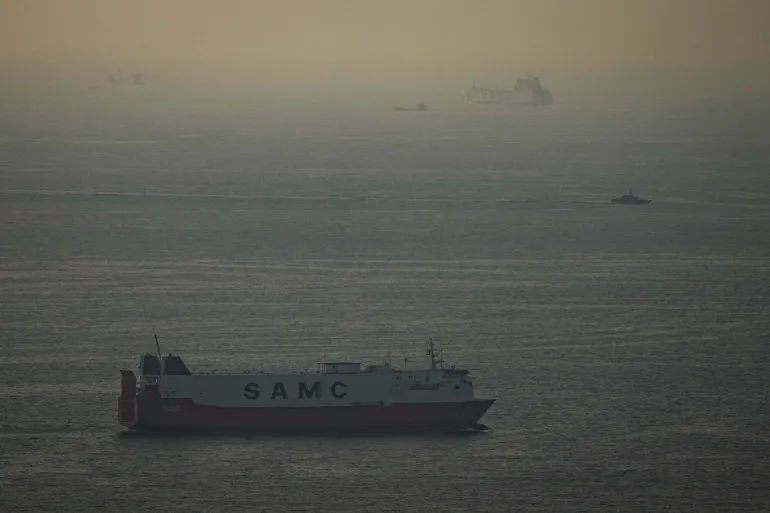
Tehran, Iran — In a significant development aimed at easing a global energy crisis, Iran has declared that “non-hostile” ships can safely transit the vital Strait of Hormuz. This statement comes at a critical juncture, with maritime traffic in the key waterway significantly diminished, leading to the most severe energy crisis in decades. The announcement also coincides with reports of ongoing negotiations to de-escalate tensions, according to US President Donald Trump.
In a formal statement released on Tuesday, Iran’s mission to the United Nations conveyed that vessels are welcome to avail of “safe passage” through the Strait. This assurance is contingent upon ships not participating in or supporting any acts of aggression against Iran and adhering strictly to established safety and security regulations. The statement further specified that transit would occur “in coordination with the competent Iranian authorities.”
READ MORE ARTICLES:
- Iran Demands Hormuz Control, War Reparations for Peace
- Pezeshkian Highlights Iran’s Peace & Non-Proliferation Pledge at UN
- Donald Trump Delays Iran Strikes Amid Gulf Mining Threat
- Iran Allows Select Ships Safe Passage Through Strait of Hormuz
- Iran Intel Chief Esmail Khatib Killed
- UAE Air Defences Intercept Iranian Missile and Drone Threats
- Israel says it kills Iran security chief Larijani, Basij commander
A similar declaration was shared with the International Maritime Organization (IMO), the UN body overseeing maritime safety and security, underscoring Iran’s commitment to ensuring the Strait’s navigability under specific conditions. While the precise regulations for safe navigation were not detailed, the Strait of Hormuz is a critical chokepoint, typically handling approximately one-fifth of the world’s oil and liquefied natural gas supplies.
The Iranian statement arrives amidst a complex geopolitical landscape. President Trump has indicated that talks are underway to end the conflict involving the US and Israel against Iran, a claim that Tehran had previously denied. Despite these diplomatic overtures, maritime traffic through the Strait has plummeted since the US and Israel initiated military actions on February 28th. Data from maritime intelligence firm Windward reveals a drastic reduction, with only five vessels tracked transiting the waterway on Monday, a stark contrast to the pre-conflict average of 120 daily transits.
Initially, Iran had warned that any ship attempting passage would face attack. However, recent statements from Tehran suggest a shift in policy, emphasizing that the waterway remains open, with exceptions only for “enemies.”
The disruption in shipping through the Strait has had a profound impact on global energy markets. Analysts have warned of potential oil price surges, with predictions ranging from $150 to $200 per barrel if the Strait remains effectively closed. Following a period of hovering above $100 per barrel for Brent crude in March, international oil prices saw a significant drop of over 9 percent on Wednesday. This decline is attributed to reports from major news outlets and Israeli media, suggesting that the Trump administration has presented Iran with a 15-point plan to end the conflict.
The prospect of a resolution has also boosted Asian stock markets, with major indexes opening higher on Wednesday. Japan’s Nikkei 225 saw a rise of approximately 2.3 percent, while South Korea’s KOSPI increased by 2.6 percent, reflecting cautious optimism among investors.
Here is a summary of the 15 points of the US plan that Iranian media says the Tehran government has rejected:
- The Strait of Hormuz will remain open and shall be free zone for vessels
- Iran’s ballistic missiles will be limited in number and range
- Iranian missiles will be designated as for use in self-defense only
- Iran shall be stripped of all nuclear capabilities and facilities
- Iran will forswear nuclear weaponry
- There will be no uranium enrichment on Iranian soil
- Iran’s stockpile of highly-enrich uranium will be handed over the International Atomic Energy Agency on an agreed schedule
- The Fordow, Isfahan and Natanz nuclear sites will be decommissioned and dismantled
- Iran will commit to total nuclear transparency and related independent inspections
- Iran will abandon the paradigm of supporting proxy terrorist groups
- Iran will cease funding and supporting such groups
- Iran will declare an end to the war
- Sanctions on Iran will be removed
- The US will help Iran with civilian nuclear power at the Bushehr facility
- The snap-back mechanism for sanctions will be ended
Iran Rejects US Truce Plan, Proposes Own Terms Amidst Escalating Tensions
Iran has officially rejected a 15-point US-proposed truce plan aimed at ending the ongoing conflict, opting instead to outline its own five conditions for peace. This rejection comes as Iran continues its military actions against Arab Gulf states and Israel, with no reported casualties from these incidents. Meanwhile, vessels seeking passage through the Strait of Hormuz under Iranian protection are now required to submit detailed lists of their crew and cargo. The Bushehr Nuclear Power Plant was reportedly targeted again on Tuesday evening, according to state-run Press TV.
The US proposal, as detailed by Iranian media, included a comprehensive set of demands. Key points of the rejected plan were:
- Open Strait of Hormuz: Ensuring the Strait remains a free zone for all vessels.
- Ballistic Missile Limitations: Restricting the number and range of Iran’s ballistic missiles, designating them for self-defense only.
- Nuclear Disarmament: Stripping Iran of all nuclear capabilities and facilities, forswearing nuclear weaponry, and ceasing uranium enrichment. Nuclear sites like Fordow, Isfahan, and Natanz were slated for decommissioning, with Iran committing to total nuclear transparency and IAEA inspections.
- Cessation of Support for Proxies: Abandoning the support for proxy terrorist groups, including a halt to funding.
- End of War and Sanctions Relief: Declaring an end to the war, with the subsequent removal of sanctions on Iran. The plan also included US assistance for Iran’s civilian nuclear power at the Bushehr facility and an end to the sanctions snap-back mechanism.
Iran’s counter-proposals and specific conditions for ending the war have not yet been fully disclosed. However, the nation’s continued military operations and the new requirements for passage through the Strait of Hormuz signal a hardening of its stance. The reported attack on the Bushehr Nuclear Power Plant further underscores the volatile nature of the current situation, raising concerns about regional stability and the safety of critical infrastructure. The international community watches closely as diplomatic channels remain strained, with both sides seemingly entrenched in their positions.
Iran’s Assurance on Safe Passage for Non-Hostile Ships Through the Strait of Hormuz
The Strait of Hormuz is a strategically crucial waterway located between Oman and Iran, acting as the primary maritime route for oil shipments from the Persian Gulf to the wider world. Spanning approximately 21 miles at its narrowest point, this strait facilitates the transit of a significant percentage of the global oil supply, making it one of the most critical chokepoints in international trade. It is estimated that around 20% of the world’s oil trade passes through this narrow passage, highlighting the vital role the Strait of Hormuz plays in the global economy.
The geopolitical significance of the Strait extends beyond its economic implications. It has become a focal point of regional tensions, particularly between Iran and various Western nations. The strategic location of the strait encourages a heightened military presence from international forces seeking to ensure the safety and security of maritime traffic. As such, any disruption in this key maritime corridor could have far-reaching consequences on oil prices and the global economy.
In recent years, escalating conflicts and military threats have intensified concerns over the safety of vessels navigating this crucial passage. Various nations have expressed apprehension regarding the potential for hostilities that could jeopardize the safe passage of non-hostile ships. Iranian officials have made assurances about maintaining the flow of maritime traffic through the Strait of Hormuz, emphasizing their commitment to safeguarding international navigation rights. However, the ongoing political instability in the region continues to cast a shadow over the reliability and security of this vital artery for global commerce.
Iran’s Recent Statement on Maritime Safety
Iranian authorities issued an official statement emphasizing their commitment to ensuring safe passage for non-hostile vessels navigating through the Strait of Hormuz. This waterway is a critical corridor for maritime trade, particularly for oil transportation, with approximately one-fifth of the world’s oil supply transiting through it. Iran’s assurance is framed within the context of its broader maritime strategy and regional stability.
In the statement, Iran outlined specific conditions under which it would guarantee the safety of non-hostile ships. The Iranian government expressed its intention to protect vessels that respect international maritime laws and do not pose a threat to Iran’s national security. This stance is particularly significant amid ongoing tensions in the region, where naval confrontations and geopolitical rivalries can lead to disruptions.
Iran’s approach underscores its desire to portray itself as a stabilizing force within the Strait of Hormuz, seeking to alleviate concerns from the international community regarding maritime safety. The implications of this statement for international shipping are multi-faceted. On one hand, it could foster greater confidence among maritime operators, encouraging uninterrupted navigation through this vital thoroughfare. On the other hand, uncertainties remain regarding the definition of non-hostile activity and how Iran might respond to perceived provocations.
Furthermore, the declaration may affect diplomatic dialogues surrounding maritime practices and security protocols in the region. As nations operate within this critical chokepoint, ongoing dialogue and adherence to established maritime norms will be vital in promoting a secure environment for all vessels. Thus, Iran’s position highlights the complexities of geopolitical interactions in the Strait and the delicate balance required to maintain safe maritime routes.
Impact of the US-Israel Conflict on Maritime Traffic
The ongoing conflict involving the US and Israel against Iran has had noticeable repercussions on maritime traffic through the strategically vital Strait of Hormuz. As a critical shipping route, the strait facilitates approximately 20% of the world’s oil supply, and any threat to this corridor significantly influences global shipping operations. Following the escalation of hostilities, there has been a marked increase in the anxiety surrounding vessel transits, compelling shipping companies to reassess their routes and take additional precautions.
Before the conflict intensified, the average number of vessels transiting the Strait of Hormuz was around 1,400 monthly. Recent estimates, however, have indicated a fluctuation in this figure, with a decrease of approximately 15% on average since the outbreak of hostilities. This decline is partly due to heightened security concerns and disturbances caused by military posturing in the region. Vessels transporting sensitive cargo are particularly wary, resulting in an observable trend of rerouting, delaying, or even canceling voyages that involve the Strait of Hormuz.
The atmosphere of uncertainty has also triggered an uptick in shipping insurance premiums for vessels operating in these waters. Insurance providers are increasingly categorizing the Strait of Hormuz as a high-risk area, which has a cascading effect on shipping costs and the broader logistics chain. Simultaneously, neighboring nations have reported an increase in the surveillance of their maritime borders due to concerns about potential spillover effects from the conflict, which could further complicate shipping logistics.
In light of these developments, it is clear that the ongoing US-Israel conflict has impacted not only the number of vessels transiting the Strait of Hormuz but also the overall maritime security environment. The situation necessitates constant monitoring, as persistent conflicts may lead to long-term changes in shipping practices and strategies for both regional and global trade.
Safety Regulations for Passing Ships
The international maritime logistics, Iran’s recent statements regarding the safety of non-hostile ships traversing the Strait of Hormuz have introduced an array of concerns for shipping companies. These remarks reference safety regulations intended to govern the passage of commercial vessels, yet they lack the comprehensive detail necessary for thorough compliance and risk assessment. The Strait of Hormuz is a critical waterway, responsible for the majority of the world’s oil transport, and any ambiguity in regulations may generate trepidation among international shipping firms.
The Iranian authorities have emphasized their commitment to ensuring a secure environment for vessels that do not pose a threat. However, the absence of specific guidelines or protocols raises questions about what constitutes a “non-hostile” ship and how these determinations are made. Without a well-defined framework, shipping companies may find it challenging to navigate both the strait and the regulations set forth by Iran. The possibility of untoward incidents increases when regulations are vague, potentially leading to misunderstandings or conflicts.
Moreover, international shipping companies may experience apprehension about compliance with these unknown regulations, fearing repercussions or sanctions due to unintentional violations. This uncertainty can lead to increased operational costs, as companies may be compelled to adopt more conservative navigation routes or invest in additional security measures that meet unspecified regulatory standards. Consequently, the lack of detailed information not only complicates logistical planning but also places additional strain on maritime operations in a region already marked by geopolitical tensions.
Global Energy Crisis and Oil Prices
The recent disruptions in shipping routes through the Strait of Hormuz have played a significant role in exacerbating the ongoing global energy crisis. The Strait is a crucial chokepoint for oil transportation, with a substantial percentage of the world’s oil supply passing through these waters. Consequently, any threat to maritime security in this region leads directly to fluctuations in oil prices, impacting both consumers and economies around the globe.
As tensions have escalated, incidents involving merchant vessels have contributed to an atmosphere of uncertainty. This uncertainty often results in speculative trading, which can amplify price volatility in oil markets. After years of relative stability, the pricing of crude oil experienced sharp increases following developments in the Strait, with futures contracts responding sensitively to perceived threats. As a result, average oil prices surged, putting additional pressure on already strained energy resources.
Moreover, predictions concerning future trends indicate that if the situation in the Strait does not stabilize, we may see continued upward pressure on oil prices. Analysts warn that prolonged disruptions can result in a prolonged state of elevated prices, which in turn could hinder global economic recovery efforts. Governments and companies reliant on consistent oil supplies are keeping a close eye on developments, recognizing that any escalation in conflict could lead to tighter supplies and higher costs.
Additionally, alternative routes or solutions for energy transportation remain limited, making the need for secure passage through the Strait of Hormuz even more critical. The current state of affairs not only highlights the volatility inherent in global energy markets but also emphasizes the interconnectedness of geopolitical stability and economic performance. Thus, ensuring safe passage for non-hostile ships is not just a regional issue but a matter of global significance affecting energy accessibility and pricing.
Reactions from the International Community
In the wake of Iran’s recent assurances regarding the safe passage for non-hostile vessels through the Strait of Hormuz, reactions from the international community have varied, reflecting a mixture of cautious optimism and skepticism. Maritime organizations, in particular, have taken note of Iran’s statement, emphasizing the significance of security in one of the world’s most vital shipping lanes. They have urged all involved nations to prioritize dialogue to ensure the continued safety of maritime operations in the region. The International Maritime Organization (IMO) has stated that maintaining freedom of navigation is crucial, as a substantial portion of global oil shipments pass through this strategic strait.
Energy analysts have also weighed in on the implications of Iran’s pledge. Some experts suggest that if Iran maintains its commitment, it could stabilize energy markets, which have experienced volatility due to geopolitical tensions. The Strait of Hormuz is a critical conduit for oil, and any disruptions could have cascading effects on oil prices and global energy supply. Analysts have pointed out, however, that the situation remains complex, and ongoing conflict in the region may lead to a resurgence of hostilities, potentially undermining Iran’s assurances.
Global markets reacted to Iran’s announcement with cautious optimism. Stock prices in energy sectors showed positive movement as traders anticipated a less turbulent environment for transporting oil. Nonetheless, market analysts have cautioned investors to remain vigilant, as the geopolitical landscape remains fluid. Some nations have requested further clarification from Iran regarding the specifics of its commitments, emphasizing the need for concrete actions rather than assurances alone. In this context, the effectiveness of Iran’s pledge will ultimately depend on continued international scrutiny and the region’s overall stability.
The Role of Negotiations in Ending the Conflict
In recent discussions surrounding the Strait of Hormuz, US President Donald Trump emphasized the critical role of negotiations in resolving existing conflicts in the region. His statements suggested that diplomatic efforts possess the potential to mitigate rising tensions and ensure safe passage for non-hostile ships navigating these crucial maritime routes. Negotiation has historically served as a primary tool for the resolution of international disputes, and its importance is magnified in light of current geopolitical dynamics.
Trump’s remarks highlighted not only a willingness to engage in dialogue but also conveyed a sense of urgency in addressing the ambiguities that frequently accompany diplomatic discussions. The varied interpretations of intentions and responses among involved parties can lead to escalations that jeopardize maritime security, especially considering the strategic significance of the Strait of Hormuz, through which a substantial portion of the world’s oil supply transits. Thus, understanding the nuances of negotiation becomes paramount for fostering an environment conducive to peace.
Furthermore, the potential outcomes of these negotiations could significantly influence the safety of maritime routes in the region. Successful diplomatic endeavors might lead to binding agreements that enhance security protocols and establish mutual respect among nations. Alternatively, a breakdown in talks could result in continued aggression and further complication of safe navigation for commercial vessels. The dual nature of negotiations—its capacity to either forge pathways to peace or perpetuate conflict—demands careful consideration from all stakeholders involved.
In summary, the unfolding situation in the Strait of Hormuz underscores the necessity of effective negotiations in addressing the complex interplay of military, economic, and diplomatic interests. The outcomes of these discussions remain uncertain, yet their impact on maritime safety and regional stability cannot be overstated.
Economic Implications for Shipping Companies
The Strait of Hormuz serves as one of the world’s most critical maritime chokepoints, facilitating a substantial portion of global oil trade. Given recent assurances from Iran regarding the safe passage of non-hostile shipping vessels, there are significant economic implications for shipping companies operating in or around this vital waterway. The immediate concern for these companies largely relates to security risks, which can disrupt operations and lead to increased shipping costs due to delays, rerouting, or the need for enhanced security measures.
Shipping companies must assess how these geopolitical changes influence their logistics and cost structures. In the short term, the assurance of safe passage might stabilize shipping routes, reducing insurance premiums and lowering operational costs for vessels transiting the Strait of Hormuz. This could instill confidence among operators, leading to an uptick in trade activities and potentially lowering freight rates associated with oil and other goods passing through this area.
Nevertheless, the long-term economic strategies for shipping companies must consider various scenarios, ranging from sustained geopolitical tensions to changes in oil demand and production. Companies may want to explore diversifying their routes or investing in more sophisticated navigation technologies to ensure efficiency and safety while transiting uncertain waters. Moreover, long-term partnerships with Iranian authorities could provide shipping firms with more predictable operational frameworks, helping to enhance economic resilience against periodic upheavals in this region.
Ultimately, the implications of Iran’s commitments extend beyond regulators and policymakers to directly impact the dynamics of global shipping operations. By strategically managing risks and exploring innovative approaches, shipping companies can navigate these economic challenges while capitalizing on the opportunities presented by a potentially more stable maritime environment.
The geopolitical landscape surrounding the Strait of Hormuz remains complex and multifaceted. As a vital conduit for global maritime traffic, the assurances provided by Iran for the safe passage of non-hostile vessels are significant. This commitment not only aims to promote regional stability but also underscores the importance of upholding safe trade routes critical to the global economy.
Future developments in this region will likely be influenced by ongoing diplomatic efforts aimed at reducing tensions among involved nations. The potential for conflict resolution and collaborative maritime security measures could foster an environment conducive to safer navigation through this strategic waterway. Furthermore, the sustained dialogue among Gulf states, coupled with international engagement, will be crucial in reinforcing the concept of a shared responsibility in maintaining maritime security.
As countries continue to rely heavily on the Strait of Hormuz for the transport of oil and gas supplies, the emphasis on ensuring safe passage will remain pertinent. The dynamics of maritime trade will also be shaped by global economic patterns and shifting alliances that influence regional power structures. A stable and secure Strait of Hormuz will not only benefit the involved states but also contribute to the seamless flow of goods across international waters.
In conclusion, while the future is still uncertain, the commitment to safe passage for non-hostile ships provides a hopeful outlook. The importance of cooperation among nations cannot be overstated, as these efforts are vital for preserving maritime trade routes that are essential to the global economy. Stakeholders must remain proactive in fostering diplomatic solutions to navigate the complexities of this vital maritime corridor.
- Worst Country I’ve Visited- Thailand Girl, Stark Warning After Disappointing Vietnam Trip
- Artemis II | NASA, Voyage, Mission & Moon
- A Prayer of Thanksgiving for Divine Blessings, Triumph, Forgiveness, and Good Health
- NASA’s Artemis II Departs Earth Orbit for Historic Moon Flyby
- NASA: The Artemis Generation Takes Flight with Historic Artemis II Mission
#aptikons #Iran #StraitofHormuz #Hormuz #Peace