Iran has tightened its grip on the vital Strait of Hormuz, selectively granting safe passage to ships from nations like Pakistan, India, and Turkiye, while locking out rivals. This high-stakes move, ostensibly a response to the “US-Israeli war on Iran,” has sent oil prices soaring and ignited urgent diplomatic efforts by global powers such as China, France, and Italy to secure their own energy lifelines through the increasingly perilous waterway.
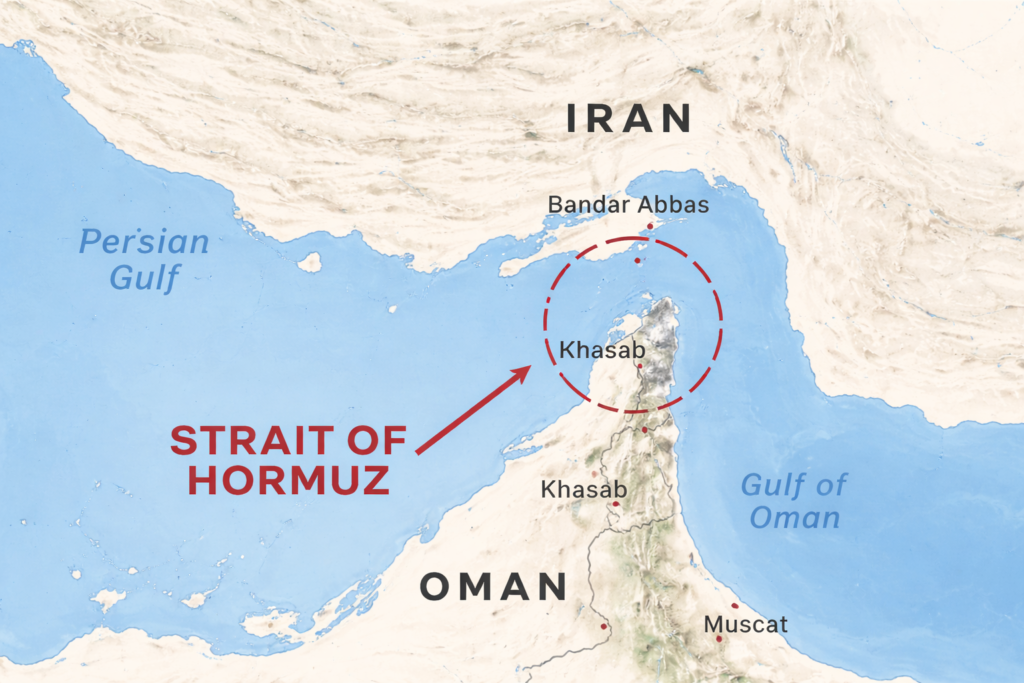
TEHRAN – In a high-stakes gambit that has sent shockwaves through the global economy, Iran has imposed a de facto blockade on the Strait of Hormuz, the world’s most critical oil chokepoint. While Tehran threatens to “set ablaze” vessels linked to the United States and its allies, a select group of nations has been granted safe passage, revealing the intricate diplomatic calculus behind the military aggression.
The announcement on March 2 by Ebrahim Jabari, a senior adviser to the Islamic Revolutionary Guard Corps (IRGC), effectively closed the strait to what Iran deems hostile nations. The move, framed as a direct response to the “US-Israeli war on Iran,” has already propelled Brent crude prices above $105 per barrel a staggering 40 percent surge since late February.
READ ARTICLES:
- Iran Allows Select Ships Safe Passage Through Strait of Hormuz
- Iran Intel Chief Esmail Khatib Killed
- UAE Air Defences Intercept Iranian Missile and Drone Threats
- Israel says it kills Iran security chief Larijani, Basij commander
- Federal Judge Halts U.S. Plan to Scale Back Childhood Vaccine Recommendations
- Deadly Spring Storm Wreaks Havoc Across Eastern U.S.
- Donald Trump’s Mystery Claim: Ex-President ‘Regrets Not Bombing Iran’—But No One Confirms the Call
- ROTC Students Stop ISIS-Linked Shooter at Old Dominion University
- Iran Names Google, Amazon, Microsoft as Possible Targets
- Iran–Philippines Ties to Become ‘Even Brighter,’ Says Ambassador
Despite the fiery rhetoric, the waterway is not entirely sealed. Iranian Foreign Minister Abbas Araghchi confirmed on Sunday that several countries have successfully negotiated passage for their vessels, leaving the decision to military authorities. While Tehran has withheld a master list, a patchwork of confirmations from global capitals is beginning to emerge, painting a picture of who is allowed through—and who is left navigating dangerous diplomatic waters.
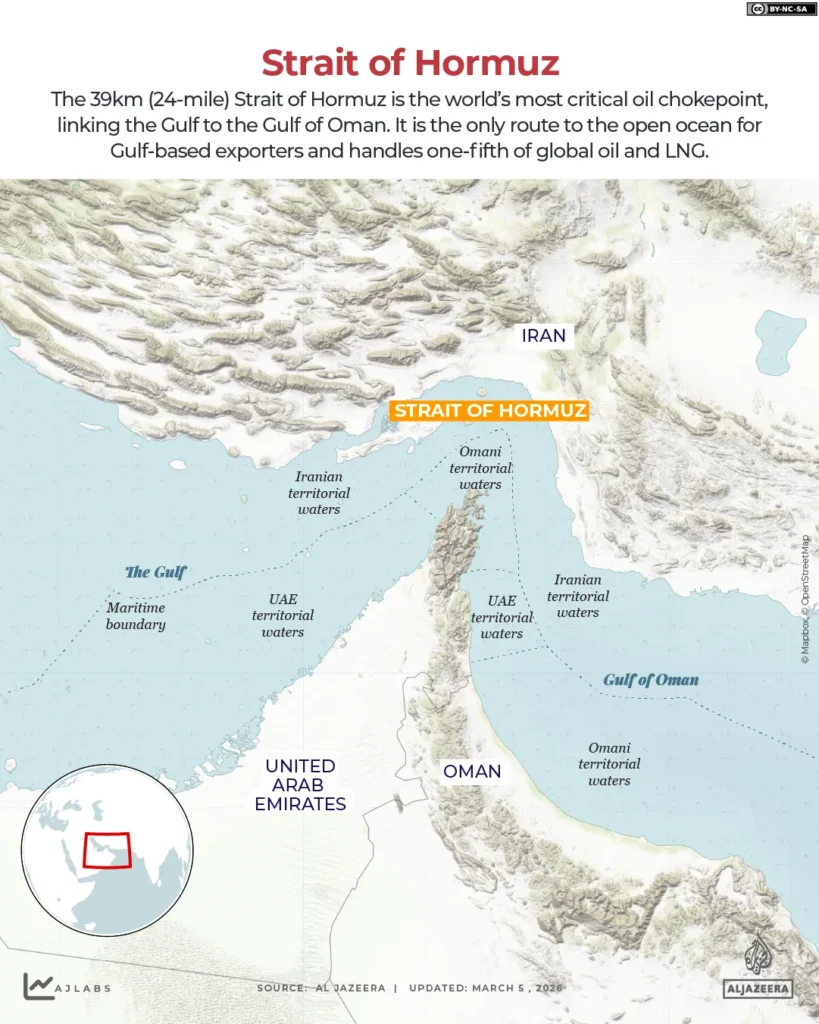
The Current Situation in the Strait of Hormuz
The Strait of Hormuz remains a critical juncture for global oil transportation, with approximately one-fifth of the world’s oil supply traversing this narrow waterway. Recently, tensions have escalated in this geopolitically significant region, particularly due to Iran’s assertive stance on maritime navigation. Iranian officials have issued statements suggesting potential measures to restrict passage for certain vessels, notably those associated with the United States and its allies. This situation has raised concerns amongst numerous nations that rely heavily on the strait for energy resources.
In the wake of these developments, it is essential to consider the broader implications for global oil prices. The prospect of limited access through the waterway due to Iranian restrictions has created uncertainty in the energy markets, leading to fluctuations that can impact economic stability worldwide. These fluctuations are particularly alarming for oil-importing countries dependent on supply chains that extend through the Strait of Hormuz.
The geopolitical climate surrounding the strait is further complicated by the presence of military vessels and potential confrontations between regional and international forces. The United States has expressed a commitment to maintaining freedom of navigation in the strait, often deploying naval assets to deter any aggressive actions. Meanwhile, Iran has demonstrated a readiness to push back against perceived threats to its sovereignty, emphasizing its jurisdiction over the waters.
As nations grapple with these developments, it is crucial for maritime stakeholders to stay informed and adapt their strategies accordingly. The current situation demands a careful balance of diplomacy and deterrence, as both sides navigate the complexities of this vital maritime route. The ongoing tensions underscore the strait’s significance not just for regional players, but for the global economy that relies on its safe passage.
The Strait of Hormuz, a critical maritime chokepoint, connects the Persian Gulf with the Gulf of Oman and is a vital route for global oil shipments. Given its significance, the issue of safe passage through this strait is of paramount importance to many nations. Iran, as the coastal state with significant influence over this strategic waterway, has periodically granted safe passage to specific nations, particularly amidst escalating tensions in the region.
Among the countries that have received assurances of safe passage from Iran are several key figures in the energy sector. For example, vessels flying the flags of Japan and South Korea have been recognized as having safe passage through these waters. This arrangement underscores the intricate diplomatic ties that influence maritime navigation. Both countries are heavily dependent on oil imports, much of which traverse the Strait of Hormuz, highlighting the necessity for these routes to remain secure.
Furthermore, European nations such as France and Germany, which primarily utilize this route for commercial shipping, have also been in discussions with Iran regarding security assurances. The diplomatic exchanges have resulted in certain agreements that allow vessels registered under these nations to navigate the strait without threat, showcasing a collaborative effort to maintain stability in the region.
In events where a specific vessel is detained or faces challenges, Iran has demonstrated a willingness to negotiate terms that ensure safe passage not only for itself but also for these allied nations, reflecting a complex web of international relations and maritime security efforts. Such measures aim to reassure these countries of their shipping interests while maintaining a level of control over maritime operations in a region marked by geopolitical uncertainties.
The nations securing passage through the strait and those racing to negotiate safe passage:
Pakistan
The first confirmed beneficiary of Iran’s selective policy was Pakistan. According to Bloomberg News, a Pakistani-flagged Aframax tanker, the Karachi, successfully transited the Strait of Hormuz on Sunday, signaling that Islamabad’s diplomatic channels with Tehran remain open and effective.
India
New Delhi has emerged as a major winner in the current crisis. On Saturday, Iran’s ambassador to India, Mohammad Fathali, confirmed that Tehran had made a “rare exception” for Indian vessels. Hours later, India’s Ministry of Ports, Shipping and Waterways announced that two Indian-flagged tankers carrying liquefied petroleum gas had safely passed through the strait and were en route to western Indian ports.
“They crossed the Strait of Hormuz early morning safely,” Rajesh Kumar Sinha, a senior ministry official, confirmed to reporters, underscoring the speed at which diplomatic assurances were translated into maritime security.
Turkiye
Ankara has also leveraged its complex, yet often cooperative, relationship with Tehran. Turkish Transport Minister Abdulkadir Uraloglu revealed on Friday that authorities had obtained direct permission from Iran for a Turkish-owned vessel that had been waiting near the strait. He noted that while fifteen Turkish-owned ships were in the vicinity, passage was granted specifically to the one that had recently used an Iranian port, suggesting that prior commercial engagement with Iran serves as a crucial bargaining chip.
The Diplomatic Grind: Nations Negotiating for Access
China
As the world’s largest oil importer, Beijing is feeling the heat. China relies on the Strait of Hormuz for a staggering 45 percent of its crude oil imports, making the blockade an existential threat to its energy security.
According to Reuters, citing three diplomatic sources, Beijing is in active, high-level talks with Tehran. The discussions are not only focused on securing passage for Chinese crude carriers but also for vessels transporting Qatari liquified natural gas (LNG)—a critical fuel source for China’s economy. While China maintains friendly relations with Iran, sources indicate Beijing is “unhappy” with the disruption and is exerting significant pressure on Tehran to carve out a permanent exception for its energy lifeline.
France and Italy
Even European powers, traditionally seen by Iran as part of the Western bloc, are reportedly seeking exemptions. The UK’s Financial Times has reported that both France and Italy have initiated requests for talks with Iranian officials to secure passage for their commercial vessels. The outreach suggests that European nations are attempting to decouple their economic interests from the military posture of the United States, a distinction Iran has so far been unwilling to make.
As the standoff continues, the Strait of Hormuz has transformed from a simple maritime route into a pressure valve for global politics. With one-fifth of the world’s oil supply passing through its narrow waters, Iran’s ability to grant or deny passage has given it a powerful, if dangerous, lever—one that is redrawing the map of global alliances in real-time.
Exploring Trump’s Proposed Naval Coalition for the Strait of Hormuz
In recent years, the Strait of Hormuz has emerged as a focal point for international military dialogue, particularly under the administration of President Donald Trump. The strategic waterway, which connects the Persian Gulf to the Gulf of Oman, is vital as it serves as a conduit for a significant portion of the world’s oil supply. Approximately 20% of the global oil trade passes through this strait, making it a critical area for energy security and geopolitical stability.
The call for a naval coalition within this context reflects heightened concerns surrounding maritime safety and freedom of navigation. Tensions in the region have escalated due to various geopolitical factors, including the ongoing conflicts involving Iran and its various maritime activities, which have raised alarms among neighboring countries and global powers alike.
President Trump’s initiative seeks to assemble a coalition of like-minded nations to ensure the safe passage of commercial vessels through the Strait of Hormuz. This coalition is intended to deter aggressive actions that may threaten maritime traffic and, by extension, the global economy. The proposal underscores the necessity of collective efforts in addressing the strategic challenges posed by the region’s instability. Furthermore, it highlights the United States’ commitment to maintaining maritime security and protecting vital trade routes.
As we delve deeper into the implications of this proposed naval coalition, it is imperative to consider both the geopolitical ramifications and the potential responses from regional actors. The formation of such a coalition may not only reshape military alliances but also influence the dynamics of diplomatic negotiations surrounding the Strait of Hormuz and the broader Middle Eastern geopolitical landscape.
The Geopolitical Context of the Strait of Hormuz
The Strait of Hormuz is a narrow stretch of water located between the Persian Gulf and the Gulf of Oman. This vital maritime passage connects major oil-producing nations in the Middle East to global markets, making it one of the most strategically significant waterways in the world. Approximately 20% of the world’s total oil consumption passes through this strait, highlighting its critical importance to international trade and energy security.
Countries such as Iran, Saudi Arabia, Iraq, and the United Arab Emirates rely heavily on this corridor for the export of their crude oil. This dependency establishes the Strait of Hormuz as a focal point for geopolitical tensions, particularly in times of political instability or military conflict. Iran has historically utilized its geographical position to exert control over the strait, influencing shipping routes and engaging in military maneuvers that raise concerns among neighboring states and global powers.
The geopolitical dynamics surrounding the Strait of Hormuz are complex and multifaceted. Tensions between Iran and the United States, as well as between Iran and its Gulf Arab neighbors, often escalate within this context. The presence of military forces from various nations, including U.S. naval assets, further complicates the delicate balance of power in the region. In addition to oil, the strait is also a major transit route for liquefied natural gas (LNG), amplifying its importance in global energy markets.
Moreover, any disruption in this passage can have rippling effects on global oil prices, security measures, and international relations. As the world becomes increasingly interconnected, the geopolitical significance of the Strait of Hormuz only magnifies, making it a focal point of both strategic military presence and diplomatic negotiations among the key stakeholders involved.
In an effort to bolster maritime security in the Strait of Hormuz, President Trump has extended invitations to several nations to join a proposed naval coalition. This coalition aims to ensure the safe passage of oil tankers and other vessels through this critical waterway, which plays a pivotal role in global oil transportation. The countries sought for participation have significant historical ties to the region and possess varying degrees of military engagement in Middle Eastern affairs.
Among the invited nations, the United Kingdom has been a longstanding ally of the United States. Historically, the UK has maintained a naval presence in the region and has participated in joint military operations aimed at securing maritime routes. Additionally, France, another key ally, has offered support for freedom of navigation initiatives in the past and has engaged in operations targeting piracy and terrorism in the region.
Other nations targeted for recruitment into the coalition include regional powers such as Saudi Arabia and the United Arab Emirates. Both countries have previously engaged in military activities in proximity to the Strait of Hormuz and share vested interests in maintaining the stability of vital shipping lanes. Furthermore, their involvement could enhance the coalition’s collective capability to address potential security threats posed by regional adversaries.
India and Japan, although geographically distant, have significant economic interests in the free flow of oil through the Strait. Both countries rely on energy imports from the Gulf region, which makes their participation in a coalition to ensure security in these waters strategically advantageous.
As the proposed coalition progresses, the aforementioned countries will need to assess their political stances regarding U.S. military involvement. The historical context of previous engagements, along with contemporary geopolitical dynamics, will play a crucial role in determining their level of cooperation and commitment to the coalition’s objectives.
Responses from Allied Nations
The proposal by former President Donald Trump for establishing a naval coalition in the Strait of Hormuz has elicited varied responses from allied nations, most notably Germany and Greece. Both countries have publicly declined participation in this initiative, citing several concerns that reflect their strategic positions and diplomatic considerations.
Germany’s reluctance to engage in Trump’s proposed naval coalition stems from its long-standing commitment to multilateralism and a cautious foreign policy approach. Officials have expressed apprehension about escalating tensions in the Gulf region, emphasizing that military coalitions should exist under the auspices of international organizations such as NATO or the UN. This perspective showcases Germany’s commitment to maintaining security through diplomatic means rather than military interventions, reflecting its broader geopolitical strategy.
Similarly, Greece has refrained from joining the coalition, primarily due to its geopolitical priorities and existing commitments within the European Union. Greek officials have indicated that participation in the initiative could potentially strain their diplomatic relations with Turkey, a nation with which Greece has ongoing tensions. The Greek government is particularly focused on stabilizing its relations in the Eastern Mediterranean, and joining a U.S.-led military coalition could jeopardize this delicate balance.
Furthermore, both nations share a skepticism regarding the efficacy and the objectives of the proposed coalition. The potential for misunderstanding and conflict in an already volatile region like the Strait of Hormuz adds to their hesitance. They advocate for a more comprehensive diplomatic approach to assure freedom of navigation and security in global trade routes without leaning on military solutions.
In light of these responses, it is clear that allied nations prioritize their strategic interests, emphasizing diplomacy and cooperation over direct military involvement in contentious regions. This indicates broader implications for U.S. foreign policy as it seeks to navigate international relations involving traditional allies.
The Implications of Military Involvement
The proposal for a naval coalition in the Strait of Hormuz, as suggested by former President Trump, raises a myriad of implications and consequences that require careful consideration. This maritime corridor holds a critical position in global energy supply routes, with a substantial portion of the world’s oil passing through it. Military involvement in this region not only affects the United States directly but also has broader ramifications for its allies and the international community.
From a legal perspective, the deployment of military resources in another nation’s maritime territory must align with international laws and treaties. Any unilateral actions could be perceived as aggressive and might violate the sovereignty of nations bordering the strait. Therefore, it is imperative for the U.S. to engage in diplomatic negotiations with regional allies and ensure compliance with international maritime law.
Ethically, the decision to deploy military forces in the Strait of Hormuz must also consider the humanitarian consequences that can arise from military conflict. Maintaining freedom of navigation is vital, yet potential confrontations could lead to casualties that affect civilian populations, which could attract international condemnation. Thus, the U.S. must weigh its objectives against the ethical responsibility to minimize harm to innocent bystanders.
The operational challenges persist within any military initiative in this complex environment. The Strait is characterized by its narrow passages, making any naval operations susceptible to escalation amid accidental encounters. Such confrontations may not only heighten tensions between the U.S. and Iran but could also involve other regional players, complicating the operational calculus for allied forces.
While the concept of forming a naval coalition for security in the Strait of Hormuz may appear strategically sound, the legal, ethical, and operational challenges require thorough analysis. The potential implications must be addressed to ensure that such military involvement serves the interests of peace and stability in this critical maritime domain.
Expert Opinions on the Coalition Proposal
The proposal for a naval coalition in the Strait of Hormuz has drawn attention from security analysts and military experts alike. Among these experts, Rodger Shanahan, a well-regarded commentator on Middle Eastern affairs, highlights several challenges that are likely to hinder U.S. allies from committing to the coalition. His assessment centers on the geopolitical complexities surrounding the region, alongside the respective interests of various nations.
One key point emphasized by Shanahan is the apprehension among U.S. partners regarding the potential for increased threats from regional powers, particularly Iran. The Strait of Hormuz, a critical chokepoint for global oil shipments, possesses a volatile security environment. Shanahan notes that countries in the region are concerned about becoming targets in a broader conflict, should they engage in military operations alongside the U.S. military forces. This reluctance reflects a broader trend among many U.S. allies, who are increasingly wary of drawing themselves into active military confrontations.
The coalition itself raises questions about the specific roles and contributions of allied nations, which adds layers of complexity in terms of command and operational efficacy. Analysts suggest that a lack of consensus on strategic objectives may result in a fragmented approach to handling threats in the Strait. The requirement for integrated operations among disparate naval forces, each with unique operational protocols and capabilities, could further complicate matters.
In reviewing expert insights, it is evident that while the concept of a naval coalition is inherently focused on bolstering security, the dynamics at play necessitate a cautious evaluation of feasibility. The prevailing reluctance among allies, as pointed out by Shanahan, underlines significant hurdles that the Trump administration will need to address to ensure engagement from its global partners in the stabilization efforts in the critical maritime corridor.
Forming a naval coalition to secure the Strait of Hormuz presents a myriad of logistical, political, and strategic challenges that must be addressed carefully. The Strait of Hormuz is a critical maritime chokepoint through which a substantial percentage of the world’s oil supply transits, making its security paramount. However, coordinating naval forces from different countries is far from straightforward. One of the primary logistical challenges lies in the mobilization of ships and personnel. Each nation involved must be willing and able to commit the necessary assets, which can require extensive strategic planning and financial investment.
The political landscape surrounding the Strait of Hormuz is complex. Participating nations must navigate intricate diplomatic relations, which can significantly affect coalition cohesion. Nations may have divergent strategic interests and priorities, complicating the decision-making process regarding how to allocate resources and whether to deploy military options. Disagreements can stem from varying perspectives on regional threats, differing levels of commitment to international law, or historical tensions among participating states. Such factors can lead to slow coalition formation or even the abandonment of proposed collaborations altogether.
In addition to logistical and political hurdles, there are strategic challenges as well. The threat environment in the region is constantly evolving, influenced by factors such as the presence of hostile forces and the potential for asymmetric warfare tactics, which complicate the coalition’s operational planning. Navigating these challenges requires not only robust military readiness but also a unified strategic vision among partners to enhance effectiveness. The time required to mobilize naval forces is often underestimated, as operational readiness cannot be achieved overnight. Thus, careful consideration of all these elements is essential for the success of a proposed naval coalition to secure the Strait of Hormuz.
Public Opinion and its Influence
The dynamics of public opinion play a crucial role in shaping decisions regarding military intervention, particularly in sensitive regions such as the Strait of Hormuz. In the United States, the notion of engaging in military actions often invokes a spectrum of responses influenced by political alignment, historical context, and current events. The proposed naval coalition put forth by former President Trump aims to address the threats in this vital waterway, which is pivotal for global oil transportation.
Public sentiment regarding military involvement can often be polarized. A segment of the population advocates for a robust response to perceived threats, including those posed by Iran, while others express concern over the potential for escalation into broader conflict. This includes apprehensions about the ramifications of military engagements that could lead to significant loss of life and economic consequences.
Public opinion is influenced by media portrayal and political discourse. Media coverage highlighting military operations may evoke feelings of nationalism or security, while narratives that focus on the humanitarian costs of war may generate resistance to intervention. As such, it is essential for government officials to gauge public sentiment accurately, which can be achieved through polling and engagement with community leaders.
In allied nations, particularly those directly affected by maritime security concerns in the Strait of Hormuz, public opinion can also shape military collaboration. Many citizens in these countries may prioritize diplomatic solutions over military presence, emphasizing the need for prolonged dialogue and conflict resolution mechanisms. In this regard, the views of citizens in both the U.S. and allied nations constitute a vital dimension that policymakers must consider to determine the feasibility and public support for a naval coalition in the region.
The Future of Naval Security in the Strait of Hormuz
The Strait of Hormuz remains a strategic maritime artery, essential for global oil flow and economic stability. The proposed naval coalition by President Trump aimed at ensuring security in this vital region signifies a crucial development in international maritime policy. As we have assessed, the threats in this area arise predominantly from geopolitical tensions, control over shipping routes, and regional power rivalries. The establishment of a united naval front could serve as a deterrent against hostile actions that threaten the safety of commercial shipping.
The effectiveness of such coalitions relies not only on military might but also on strong diplomatic relationships among the involved nations. A key consideration for U.S. foreign policy will be balancing its strategic interests with the need for genuine collaboration among coalition partners. Engagement with regional players, such as Saudi Arabia and the UAE, demonstrates the regional dynamics at play and highlights the necessity for inclusive dialogue that addresses the concerns of all stakeholders in maritime security.
Looking ahead, the success of any naval security measures in the Strait of Hormuz will depend upon adaptability to evolving threats. The rise of non-state actors and cyber warfare indicates that traditional naval strategies may need to be revised. Thus, future initiatives should encompass technological advancements, intelligence-sharing, and resilience-building among allied nations.
While the challenges are significant, the collective naval efforts proposed may foster a more secure environment in the Strait of Hormuz. It will be imperative for the U.S. and its allies to remain vigilant, cooperative, and proactive in their approaches to ensure peace, stability, and the uninterrupted flow of commerce through this critical waterway.
- Worst Country I’ve Visited- Thailand Girl, Stark Warning After Disappointing Vietnam Trip
- Artemis II | NASA, Voyage, Mission & Moon
- A Prayer of Thanksgiving for Divine Blessings, Triumph, Forgiveness, and Good Health
- NASA’s Artemis II Departs Earth Orbit for Historic Moon Flyby
- NASA: The Artemis Generation Takes Flight with Historic Artemis II Mission
uw6usi