USA — Iran has publicly claimed responsibility for the downing of two American military aircraft, signaling what officials describe as a decisive assertion of defensive strength amid intensifying hostilities.
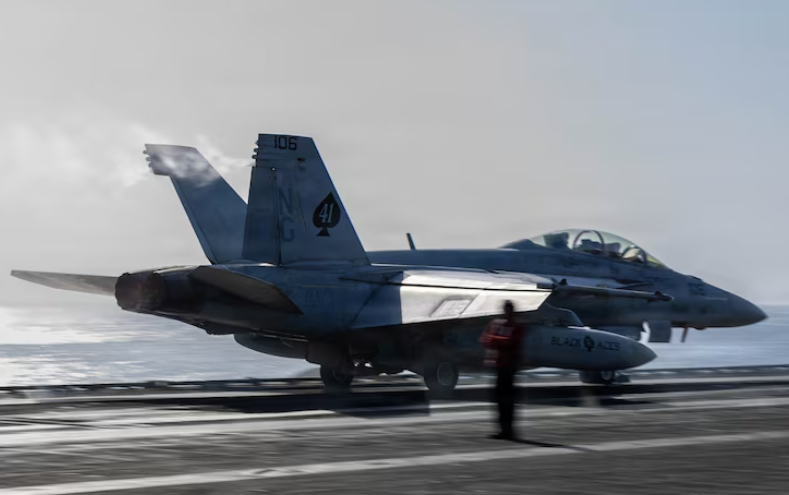
According to reports carried by US media outlets, two separate incidents unfolded within a short span of time. An F-15E Strike Eagle reportedly went down over Kohgiluyeh and Boyer-Ahmad Province, a mountainous region in southwestern Iran, while an A-10 Warthog crashed into the Gulf during related operations. Rescue teams successfully recovered two American crewmembers following the first crash, but one US airman remains unaccounted for, prompting ongoing search-and-rescue efforts under challenging circumstances.
READ MORE ARTICLES:
- TMZ Founder Harvey Levin Targets Congress with Vacation Photos Amid Historic Government Shutdown
- Donald Trump Floats Seizing Iran’s Kharg Island Oil Hub, Wider Middle East Conflict
- Pentagon Lawsuit May Shape Future AI Rules
- Donald Trump Delays Iran Strikes Amid Gulf Mining Threat
- Federal Judge Halts U.S. Plan to Scale Back Childhood Vaccine Recommendations
- Deadly Spring Storm Wreaks Havoc Across Eastern U.S.
- Donald Trump’s Mystery Claim: Ex-President ‘Regrets Not Bombing Iran’—But No One Confirms the Call
Officials in United States have yet to release comprehensive details surrounding the missions or the precise causes of the aircraft losses. However, the incidents mark a rare and serious blow involving advanced US military platforms, immediately heightening concerns of a broader confrontation.
In the Iranian capital of Tehran, crowds gathered in public squares and major thoroughfares to celebrate what state authorities portrayed as a landmark military achievement. Government-aligned media framed the downing of the aircraft as tangible proof that Iran retains robust defensive capabilities, despite sustained external pressure and repeated claims that its strategic infrastructure has been degraded.
Iranian officials were quick to counter assertions previously made by the administration of Donald Trump, which had maintained that Tehran’s military network and operational readiness had been significantly weakened. In statements carried by state broadcasters, Iranian leaders insisted the latest developments demonstrate their ability to respond forcefully to perceived aggression from both the United States and Israel.
Military analysts note that the reported downing of high-value US aircraft represents a notable escalation in an already fragile security environment. Beyond the symbolic weight of the incidents, the events raise operational and diplomatic stakes, as Washington weighs its response while simultaneously focusing on the fate of the missing service member.
The unfolding situation has intensified fears of further retaliatory measures, with both sides signaling resolve rather than restraint. Search operations continue as officials assess the broader implications of the aerial losses developments that could reshape the trajectory of the conflict and test the limits of regional stability in the days ahead.
| Country/Entity | Type of Attack | Killed | Injured |
|---|---|---|---|
| Lebanon | Attacks by Iran | 1,345 | 4,040 |
| Iraq | Attacks by Iran | 109 | Dozens |
| Iran | Attacks by Israel/US | 2,076 | 26,500 |
| Cyprus | – | – | – |
| Palestine | Attacks by Iran | 4 | |
| Syria | Attacks by Iran | 4 | |
| Israel | Attacks by Iran | 24 | 6,594 |
| Jordan | Attacks by Iran | 29 | |
| Kuwait | Attacks by Iran | 7 | Dozens |
| US Military | 13 | 200 | |
| Bahrain | Attacks by Iran | 3 | Dozens |
| Saudi Arabia | Attacks by Iran | 2 | 22 |
| Qatar | Attacks by Iran | 16 | |
| UAE | Attacks by Iran | 12 | 190 |
| Oman | Attacks by Iran | 3 | 15 |
February 28 – April 3, 2026. The “Type of Attack” “Attacks by Israel and US” and “Attacks by Iran.” Some entries lack specific attack type information. For “Dozens,” the exact number is not provided.
US Pilot Downed Over Iran: A High-Stakes Race Against Time in Hostile Territory
A dramatic search-and-rescue operation is unfolding after a United States pilot was reportedly shot down over Iranian territory, setting off what one defence analyst has described as a “race against time” in hostile airspace.
Speaking to Al Jazeera, Patrick Bury, a defence and security specialist at the University of Bath and a former British Army officer, underscored the urgency and volatility of the situation. “The situation is evolving,” Bury said, emphasizing the precarious nature of any operation involving a downed airman behind enemy lines. “You’ve got a pilot shot down in enemy territory, and it’s a race against time.”
Military doctrine treats such incidents as among the most complex and high-risk missions. According to Bury, US search-and-rescue teams are exceptionally well trained and equipped for precisely this type of scenario. Images circulating on social media appear to show American refuelling aircraft operating in support of helicopter units, including Apache attack helicopters and Black Hawks. These aircraft are often central to combat search-and-rescue missions, providing both protection and rapid extraction capabilities.
Bury noted that US Air Force Special Forces units specifically trained for identifying, locating and extracting personnel from hostile environments would likely play a critical role in any recovery effort. Such teams specialize in penetrating contested areas, coordinating aerial support, and securing evacuation corridors under extreme pressure. Their training is designed to function seamlessly even when communications are disrupted or conditions deteriorate rapidly.
The fate of the missing pilot, however, may hinge on more than just the speed and skill of rescue forces. Bury pointed out that the pilot would likely have undergone Survival, Evasion, Resistance and Extraction (SERE) training a rigorous programme that prepares aircrew to survive in hostile terrain, evade capture, resist exploitation if detained, and signal for recovery. SERE instruction equips personnel with knowledge of concealment tactics, navigation without equipment, and psychological resilience in captivity scenarios.
Still, several unpredictable factors could determine the outcome. Whether Iranian forces are able to capture the pilot depends on variables such as the effectiveness of the pilot’s emergency homing beacon, the geographic location of the landing site, and the surrounding population density. A remote, sparsely populated region could buy critical time for rescue teams; a densely populated area might increase the likelihood of rapid detection.
Bury also observed that US pilots often carry survival kits that may include cash or small valuables, intended as last-resort tools for securing assistance from local civilians. In certain scenarios, the ability to negotiate discreet help from locals can mean the difference between evasion and detention.
As military assets maneuver and intelligence assessments continue, the clock is ticking. The coming hours will likely prove decisive not only for the safety of the missing pilot, but also for the broader geopolitical implications of an incident unfolding in one of the world’s most volatile theatres.
Iran Claims Advanced Air Defense Downs US Warplanes, Escalating Conflict Amidst Devastating Human Toll
A sharp and alarming escalation has unfolded in Iran, intensifying an already volatile conflict and raising the stakes in a war that has been steadily exacting a devastating human toll since late February.
According to multiple US media reports, American forces are now engaged in urgent search-and-rescue operations after two US warplanes were brought down by Iranian fire. The incidents mark a significant turn in hostilities, signaling not only a direct confrontation but also a possible shift in the operational balance between the two sides. The fate of at least one crewmember remains uncertain, prompting a high-risk recovery effort amid active combat conditions.
In the course of the rescue mission, a US Black Hawk helicopter dispatched to locate and extract the missing service member reportedly came under Iranian attack. Despite sustaining damage, the aircraft was able to remain airborne and avoid catastrophic loss, underscoring both the intensity of the engagement and the perilous environment in which US personnel are now operating. The incident highlights the increasing vulnerability of air assets in contested airspace and the growing complexity of battlefield dynamics.
Tehran, for its part, has asserted that the American aircraft were shot down using what it described as a “new advanced defence system.” Iranian officials presented the development as evidence of strengthened domestic military capabilities, directly contradicting earlier claims from Washington that Iran’s air defense infrastructure had been largely neutralized or destroyed in prior operations. The competing narratives reflect not only the fog of war but also a broader struggle over perception, deterrence, and strategic messaging.
Beyond the military exchanges, the human cost of the conflict continues to mount at an alarming rate. Iranian authorities report that at least 2,076 people have been killed and more than 26,500 wounded since the outbreak of hostilities on February 28. These figures, if confirmed, represent a staggering toll in just a short span of time, underscoring the profound impact on civilians and combatants alike. Hospitals and emergency services are reportedly under immense strain as casualties continue to flow in, painting a grim picture of a society grappling with the consequences of sustained warfare.
The latest developments suggest a conflict entering a more dangerous and unpredictable phase. The downing of multiple US aircraft and the contested claims surrounding advanced defense capabilities may further inflame tensions, potentially drawing in broader regional and international concerns. As search-and-rescue operations continue and casualty numbers climb, the situation on the ground remains fluid, with the prospect of further escalation looming large over an already fragile landscape.
Iran Rejects US Ceasefire Proposal Amidst Escalating Tensions and Diplomatic Stalemate
Iran has reportedly turned down a U.S. proposal for a brief 48-hour ceasefire, according to the semi-official Iranian news agency Fars. The United States has neither confirmed nor commented on the report, which cited an unnamed Iranian source. The refusal highlights a growing stalemate in diplomatic channels just as regional hostilities threaten to spiral further.
The confrontation has quickly shifted from negotiations to a war of words. Iranian President Masoud Pezeshkian openly questioned Washington’s commitment to diplomacy, accusing U.S. policymakers of hypocrisy. Speaking in the aftermath of a violent incident that claimed the life of a senior Iranian official’s wife, Pezeshkian challenged the international community to discern “which side engages in dialogue and negotiation, and which in terrorism.” His remarks underscore Tehran’s insistence that global actors not mistake strategic silence for tacit approval.
Further amplifying the tension, Pezeshkian disclosed that he had consulted with Finland’s president following controversial comments by U.S. President Donald Trump, who threatened to reduce Iran “back to the Stone Ages.” Pezeshkian described this statement as a stark declaration of intent to commit a “massive war crime,” urging the international community not to remain neutral in the face of potential large-scale aggression.
Analysts suggest that Iran’s rejection of the U.S. ceasefire proposal signals a deep mistrust of American intentions, while also serving as a calculated move to rally international opinion against any unilateral military actions. The situation illustrates the delicate balance of war diplomacy, where words, threats, and signals carry as much weight as weapons on the battlefield.
As the standoff persists, observers warn that without renewed dialogue and credible assurances, the region risks plunging into a broader conflict with far-reaching consequences for global stability and security.
Middle East on High Alert After Coordinated Attacks Spark Fires, Injuries
The Gulf region is on edge following a series of coordinated attacks that have resulted in casualties, significant damage to critical infrastructure, and heightened geopolitical tensions. In the United Arab Emirates, a devastating fire at a gas complex in Abu Dhabi claimed the life of an Egyptian national and left four others injured. Officials stated that falling debris from an intercepted attack ignited the blaze at the facility, underscoring the escalating threat.
Meanwhile, Kuwait reported that its own infrastructure came under fire, with authorities indicating that an oil refinery and a desalination plant were struck. While Iran has been implicated in the strikes, Tehran has officially denied targeting the water facility, adding a layer of ambiguity to the unfolding events.
Adding to the regional instability, Bahrain’s Ministry of Interior confirmed that shrapnel from an intercepted Iranian drone caused injuries to four individuals and damaged several homes in the Sitra area. The incident highlights the widespread reach of the aerial threats and the vulnerability of civilian areas.
The interconnected nature of these incidents suggests a deliberate and synchronized campaign, sending shockwaves across the region. The attacks have prompted a strong response from regional governments, with heightened security measures and diplomatic efforts underway to de-escalate the situation. The full extent of the damage and the long-term implications for regional stability remain to be seen as investigations continue and international pressure mounts.
Downing of US Jet Over Iran Triggers Intense Search, Propaganda Debate, and Record Budget Push
President Donald Trump has been formally briefed on the downing of a United States military aircraft over Iranian territory. The incident has precipitated a large-scale search and rescue operation, with particular focus on locating a missing crewmember, the White House confirmed late Tuesday. US media reports, citing unnamed defense officials, indicated that another member of the aircraft’s crew had been successfully rescued, though details surrounding the exact nature of the mission and the circumstances of the downing remain scarce.
The incident, shrouded in initial uncertainty, immediately raised concerns about escalating tensions between the United States and Iran. The activation of a “major search and rescue operation” underscores the gravity with which the Pentagon and the White House are treating the fate of the downed aircrew. The successful rescue of one individual offers a glimmer of relief, but the ongoing hunt for the missing crewmember highlights the perilous nature of military operations in contested airspace and the immediate human cost involved.
The geopolitical fallout from such an event is rarely confined to the immediate military theatre. Renowned geopolitical analyst Phyllis Bennis weighed in on the potential impact, suggesting that the downing of a US fighter jet and the subsequent search for its crew could significantly complicate the administration’s efforts to sustain public backing for its foreign policy objectives, particularly in regions like Iran. Bennis articulated that the incident “changes the propaganda equation,” a subtle yet crucial shift that could sway public opinion. While she posited that the military balance might remain unaltered, the narrative surrounding the conflict could be profoundly affected, potentially eroding support among key constituencies, including President Trump’s dedicated “MAGA” base, who are often sensitive to perceived American overreach or vulnerability. This shift in the propaganda landscape could present a formidable challenge for the White House in maintaining a unified public front for continued military engagement.
Adding another layer to the complex geopolitical and defense landscape, President Trump has reportedly urged lawmakers to approve an unprecedented $1.5 trillion defense budget for the fiscal year 2027. This colossal spending request comes at a time when the United States is grappling with the substantial financial burdens of its ongoing military involvement in conflicts, including the protracted war with Iran, and managing an increasingly complex array of global security commitments. The juxtaposition of a downed US aircraft and a demand for such a massive increase in defense spending paints a picture of a nation navigating heightened international risks while simultaneously preparing for a future that necessitates robust military capabilities and significant financial investment.
The proposed budget, if enacted, would represent a substantial escalation in defense spending, reflecting a strategic vision that prioritizes military readiness and power projection amidst a volatile global climate. The administration’s rationale for this expenditure points towards the escalating costs associated with sustained military operations abroad and the imperative to address a spectrum of emerging security threats worldwide. The downing of the jet in Iran, therefore, serves not only as an immediate crisis demanding attention but also as a stark reminder of the operational risks and financial outlays inherent in the nation’s current foreign policy posture, potentially bolstering the case for increased defense appropriations in the eyes of policymakers.
Israel Under Fire: Missile Barrage Ignites Negev, Economic Strain Deepens Amidst Shifting Political Tides
A tense calm has settled over Israel following a significant escalation involving Iran, which launched missile attacks targeting the southern part of the country. The assault, which pierced the night sky, resulted in a blaze erupting at an industrial site within the expansive Negev region, underscoring the volatile security landscape. This latest act of aggression is part of a broader, multi-front conflict that is exacting a profound and escalating toll on Israel’s economy, society, and political fabric.
The combined impact of ongoing conflicts with Iran, Hamas in Gaza, and Hezbollah in Lebanon has pushed Israel’s economy to its limits, with estimates suggesting a staggering cumulative cost of approximately $112 billion. This immense financial burden has created significant fissures within the nation’s economic structure, impacting everything from public services to private enterprise. The ripple effects are palpable in the daily lives of Israeli citizens, whose routines have been irrevocably altered. Schools across the country have been forced to keep their doors shut, a stark reminder of the pervasive insecurity that continues to disrupt the fundamental rhythms of civilian existence. The constant threat and the demands of a nation at war have reshaped priorities, with education and normalcy taking a backseat to immediate security concerns.
Politically, the protracted conflict has catalyzed a noticeable lurch towards the right within the Israeli government. In a move reflecting this ideological shift, the government recently approved a record-breaking budget of $271 billion. This substantial allocation of resources signals a commitment to bolstering defense capabilities and addressing the immense costs of sustained conflict, but it also raises questions about domestic priorities and long-term economic sustainability. Compounding this is the passage of a highly controversial death penalty law specifically targeting Palestinians. Critics argue that this legislation is a draconian measure that undermines human rights and will further inflame tensions in an already volatile region, while proponents assert it is a necessary deterrent.
Despite the widespread disruption and the immense sacrifices being made, a significant majority of Jewish Israelis, reportedly 78 percent, continue to express support for the ongoing war efforts. This resilient backing, however, is being closely monitored by pollsters, who caution that such unwavering public opinion can be fragile. The sustained pressure of war, coupled with economic hardship and societal upheaval, could eventually erode even the most steadfast support. The coming months will likely test the nation’s resolve as it navigates these complex challenges, balancing the immediate demands of security with the long-term imperatives of economic recovery, social cohesion, and political stability. The echoes of the missile strikes in the Negev serve as a somber reminder of the enduring threats Israel faces, and the profound decisions its leaders and populace must make in the face of unprecedented adversity.
Israeli Strikes Escalate Tensions: Man Killed in Syria, Bridges Destroyed in Lebanon
A man was killed in Syria’s Quneitra province on Tuesday, with Syrian state media reporting that Israeli shelling was responsible for the fatality. The incident occurred in the country’s south, near the Israeli-occupied Golan Heights, further heightening regional tensions.
In a separate but related development, the Lebanese border region has become a new flashpoint. The Israeli military announced the destruction of two vital bridges in Lebanon’s fertile Bekaa Valley. This action, which disrupts key transportation routes, was met with swift retaliation from Hezbollah. The militant group claimed responsibility for launching multiple missile attacks targeting Israeli soldiers and artillery positions in southern Lebanon.
The dual incidents underscore the volatile nature of the Israeli-Lebanese and Israeli-Syrian borders, with both fronts witnessing significant military activity in recent days. The destruction of infrastructure in Lebanon and the reported fatality in Syria signal a potential escalation, raising concerns about a wider regional conflict. Authorities on all sides are closely monitoring the situation as it unfolds.
Australia Grapples with Fuel Shortages as Global Food Prices Soar
As Australian families prepare for Easter holiday travel, the nation is confronting a growing fuel crisis, with widespread diesel shortages impacting rural communities and prompting urgent government advisement for motorists to refuel before embarking on long journeys. The situation underscores broader global economic pressures, highlighted by a significant rise in international food commodity prices.
Australia’s Energy Minister, Chris Bowen, has issued a stark warning, revealing that hundreds of service stations in regional areas have depleted their diesel supplies. This has led to an urgent call for drivers to ensure their vehicles are adequately fueled, particularly in anticipation of increased travel over the upcoming Easter break. The shortages are a cause for concern, potentially disrupting supply chains and impacting the daily lives of those in remote and rural areas who rely heavily on diesel for transport and essential services.
Adding to the economic anxieties, the United Nations’ Food and Agriculture Organization (FAO) reported a substantial increase in global food prices. The FAO Food Price Index, a key indicator of international food commodity markets, climbed by 2.4 percent in March. This rise suggests that consumers worldwide, including those in Australia, may face further increases in the cost of essential food items, exacerbating cost-of-living pressures.
Pakistan’s Relief Measure: Free Public Transport
In a contrasting development offering a measure of relief, Pakistan has announced free state-run public transportation in its capital and most populous province for the entire upcoming month. This initiative aims to alleviate financial burdens on citizens and promote the use of public transport. The move comes as many countries grapple with rising inflation and economic uncertainty, presenting a unique approach to supporting the public during challenging economic times.
The confluence of fuel scarcity in Australia, escalating global food prices, and Pakistan’s public transport initiative paints a complex picture of the current global economic landscape, affecting daily life and economic stability across different regions.
Iran’s Petrochemical Hub Targeted in Aerial Strikes; Bushehr Nuclear Plant Vicinity Hit Amidst Escalating Regional Tensions
A series of aerial strikes have rocked southwestern Iran, hitting a vital petrochemical zone and causing injuries, while a separate projectile narrowly missed Iran’s sole nuclear power plant in Bushehr, according to reports from Iranian state media. The incidents have heightened concerns over regional stability as tensions continue to surge across the Middle East.
In the industrial heartland of southwestern Iran, a significant petrochemical complex became the focal point of an apparent aerial assault. Iranian state media confirmed that the strikes targeted the zone, leading to a situation where five individuals sustained injuries. Emergency services were reportedly mobilized swiftly to the affected area. Following the initial impact, a fire broke out, but authorities later announced that the blaze had been successfully extinguished, averting a potentially more catastrophic scenario. The exact nature of the projectiles used and the origin of the strikes remain subjects of ongoing investigation, though the targeting of such critical industrial infrastructure signals a deliberate act of aggression.
Adding a layer of grave concern to the day’s events, a projectile reportedly struck an auxiliary building situated in close proximity to the perimeter fence of Iran’s Bushehr nuclear power plant. The Tasnim news agency reported this incident, which tragically resulted in the death of one person. Crucially, however, officials were quick to emphasize that the operational integrity of the Bushehr nuclear facility itself was in no way compromised by the strike. The proximity of such an attack to a facility housing nuclear materials underscores the extreme sensitivity of the situation and the potential for wider, devastating consequences should such incidents escalate or occur closer to core operational areas.
Amidst the unfolding events in Iran, Russia’s state nuclear company, Rosatom, which is involved in the operation of the Bushehr plant, confirmed that it had evacuated an additional 198 of its staff members from the site on Saturday. Rosatom representatives clarified that these evacuations were part of pre-planned safety protocols and were not a direct reaction to the projectile incident, a measure already in motion before the latest escalation. Nevertheless, the movement of international personnel from a site adjacent to an attack highlights the heightened security concerns surrounding the facility.
In a significant development that suggests a broader scope of retaliatory actions, the Israeli military issued a statement claiming responsibility for carrying out “a wave of strikes” targeting areas within Tehran. While details regarding the extent and impact of these alleged strikes on the Iranian capital are still emerging, the assertion from the Israeli defense forces marks a notable escalation in the ongoing conflict dynamics.
These developments are unfolding against a backdrop of intense regional volatility. Israel has been engaged in a sustained campaign against Iran-backed Hezbollah forces operating in Lebanon. This broader conflict was exacerbated after the militant group launched volleys of rockets into Israel in a show of solidarity with Iran. Earlier on Saturday, the Israeli military had also reported conducting strikes on Hezbollah’s infrastructure sites in Beirut, underscoring the interconnected and escalating nature of the hostilities across multiple fronts. The series of attacks and counter-attacks paints a grim picture of a region teetering on the edge, with the potential for wider conflict looming large.
- Day of Valor (Araw ng Kagitingan), Philippines Commemorates Heroism & Sacrifice
- LEYTE LEYTE: Isyu sa PUP‑Leyte, Komunidad Humihingi ng Hustisya, LGU Iginigiit ang Legalidad ng Proyekto
- TOP SCHOOLS Performance PLE March 2026 Physician Board Exam
- TOP 10 PLE March 2026 Physician Licensure Exam Results
- R-Z March 2026 PLE Results Physician Licensure Exam List of Passers
- H-Q March 2026 PLE Results Physician Licensure Exam List of Passers
- A-G March 2026 PLE Results Physician Licensure Exam List of Passers
- March 2026 PLE Results: Complete List of Physician Licensure Exam Passers
- Ex-Soldier Indicted for Five Alleged War Crime Murders During Afghanistan Deployment
- PRC Releases CELE March 2026 Civil Engineer Licensure Exam Results Today
- Mula Tax Declaration tungo sa Ganap na Pagmamay-ari: Gabay sa Pagpapatitulo ng Lupa sa Pilipinas
- CELE March 2026 RESULTS: Civil Engineer Licensure Exam List of Passers
- Human Rights Commission Ordered to Re-examine Starbucks Language Policy Complaint
- Canada | History, Politics, Immigration, & Capital
- Performance of Schools: March 2026 Civil Engineer Licensure Board Exam Results
- Top 10 March 2026 Civil Engineer Licensure Exam Results
- V-Z CELE March 2026 Results Civil Engineer Licensure Exam Passers
- S-U CELE March 2026 Results Civil Engineer Licensure Exam Passers
- P-R CELE March 2026 Results Civil Engineer Licensure Exam Passers
- M-O CELE March 2026 Results Civil Engineer Licensure Exam Passers
- J-L CELE March 2026 Results Civil Engineer Licensure Exam Passers
- G-I CELE March 2026 Results Civil Engineer Licensure Exam Passers
- D-F CELE March 2026 Results Civil Engineer Licensure Exam List of Passers
- A-C CELE March 2026 Results Civil Engineer Licensure Exam List of Passers
- ICC Sets April 22 Ruling on Rodrigo Duterte Jurisdiction Appeal
- LET Results March 2026 Elementary and Secondary List of Passers
- Artemis II Crew Makes Historic Lunar Flyby, Ushering in New Era of Moon Exploration
- PNP Sustains Full-Scale Holy Week Operations, Seizes ₱121.6 Million in Illegal Drugs and Contraband
- Pag-aaral ng Kasaysayan at Lipunang Pilipino
- Soleimani Family Members Arrested in US; State Department Alleges Deception
- RESULTS: March 2026 LET Elementary List Passers
- RESULTS : March 2026 LET Secondary List Passers
- Day 36 of the US-Israel Attacks on Iran
- Iran Hangs Abolhassan Montazer & Vahid Baniamerian After Supreme Court Upholds Death Sentences
- Party-Lists Named in DPWH P14.4-B ‘Wishlist’ Project Leak
- TMZ Founder Harvey Levin Targets Congress with Vacation Photos Amid Historic Government Shutdown
- Worst Country I’ve Visited- Thailand Girl, Stark Warning After Disappointing Vietnam Trip
- Artemis II | NASA, Voyage, Mission & Moon
- A Prayer of Thanksgiving for Divine Blessings, Triumph, Forgiveness, and Good Health
- NASA’s Artemis II Departs Earth Orbit for Historic Moon Flyby
- NASA: The Artemis Generation Takes Flight with Historic Artemis II Mission
- Victor Glover | Life, Education & NASA Career
- Philippines vs China, When Betrayal Comes from Within: The Cost of Selling a Nation
- Court’s Final Decision Favors Rappler in 2018 SEC Shutdown Case
- Supreme Court Affirms Dismissal of GMA Network’s Complaint Against ABS-CBN Over TV Ratings Dispute
- List of political ideologies
- Andrew Heywood | British author, Educationalist, & political theorist
- Holy Wednesday: A Solemn Reminder on Judas Iscariot Betrayal of Jesus Christ
- Judas Iscariot | About in the Bible, Betrayal & Apostle
- Relief or Rhetoric? Imee Marcos’ Call to Suspend Government Deductions Remains Without Action—Just Words
- Gatchalian Renews Push to Keep Minors Off Social Media
- Donald Trump Floats Seizing Iran’s Kharg Island Oil Hub, Wider Middle East Conflict
- Kharg Island | Geography, Historical and Importance of Iran
- Mary, mother of Jesus Christ
- SURVEY: Who would you vote as Philippine President in 2028?
- Matty Juniosa Gets Golden Buzzer on Britain’s Got Talent
- Pope Leo XIV Warns, Prayers of Those Who Wage War Will Not Be Heard
- Iran New Peace Demand, control Strait of Hormuz — Bring Net Billions
https://www.inquirer.net/406988/tolentino-says-uss-blue-ridge-visit-shows-strong-ph-us-ties/
https://www.inquirer.net/406907/tolentino-to-marcos-high-time-to-convene-national-security-council/
https://www.inquirer.net/406897/legarda-we-must-exercise-tolerance-vs-china/
https://www.inquirer.net/406968/west-philippine-sea-4-chinese-navy-warships-monitored-off-balabac-palawan/
https://www.inquirer.net/406983/west-philippine-sea-rescue-of-injured-personnel-took-12-hours/
https://www.inquirer.net/406998/palace-changes-story-only-1-soldier-injured-in-ayungin/
https://www.inquirer.net/407004/maritime-council-wants-resupply-mission-to-continue-publicized/
https://www.inquirer.net/406997/no-mdt-discussions/
https://www.inquirer.net/406996/chinas-actions-in-ayungin-shoal-not-yet-considered-an-armed-attack-palace/
https://www.inquirer.net/407019/zubiri-modernizing-afp-coast-guard-imperative-amid-tension-on-wps/
https://www.inquirer.net/407033/chinese-navy-presence-near-edca-site-off-palawan-a-show-of-force-analyst/
https://www.inquirer.net/407037/china-protests-ph-claim-of-extended-continental-shelf/
https://www.inquirer.net/407040/malacanang-downplays-encounter-at-ayungin/
https://www.inquirer.net/407080/seeking-diplomacy-doesnt-equate-weakness-says-maritime-law-expert/
https://www.inquirer.net/407092/palace-downplaying-china-aggression-in-ayungin-shoal-alarms-lp/
https://www.inquirer.net/407095/ph-not-yet-seeking-foreign-help-on-ayungin-tensions/
https://www.inquirer.net/407115/manila-wont-be-intimidated-amid-china-row-says-marcos/
https://www.inquirer.net/407131/marcos-on-west-philippine-sea-were-not-in-the-business-to-instigate-wars/
https://www.inquirer.net/407130/marcos-awards-soldier-who-lost-a-finger-after-encounter-with-ccg/
https://www.inquirer.net/407181/president-visits-troops-wounded-in-wps-face-off/
https://www.inquirer.net/407173/zambales-fishers-defy-chinas-trespass-rule/
https://www.inquirer.net/407184/marcos-on-sea-dispute-our-drumbeat-is-peace/
https://www.inquirer.net/407222/romualdez-urges-china-envoy-ease-tensions-focus-on-commonalities/
https://www.inquirer.net/407230/envoy-wont-want-strained-ph-china-ties-to-be-highlight-of-career-romualdez/
https://www.inquirer.net/407248/ano-no-recommendation-to-convene-nsc-yet-but-marcos-has-discretion/
https://www.inquirer.net/407267/morale-of-afp-troops-high-amid-wps-challenges/
https://www.inquirer.net/407228/teodoro-no-govt-downplay-of-chinas-actions-near-ayungin/
https://www.inquirer.net/407235/marcos-rore-missions-ayungin-shoal/
https://www.inquirer.net/407198/west-philippine-sea-monitor-spots-chinas-monster-ship-near-ayungin/
https://www.inquirer.net/407287/defense-chief-ph-wont-announce-next-resupply-missions-to-ayungin/
https://www.inquirer.net/407242/chinas-actions-in-wph-not-armed-attack-by-intl-definition-ano/
https://www.inquirer.net/407304/west-philippine-sea-china-coast-guard-inching-closer-to-zambales-report/
https://www.inquirer.net/407298/fwd-west-philippine-sea-afp-confirms-presence-of-china-monster-ship-near-ayungin/
https://www.inquirer.net/407360/west-philippine-sea-pcg-verifying-reports-of-ccg-vessels-near-zambales/
https://www.inquirer.net/407334/dfa-china-ayungin/
https://www.inquirer.net/407356/monster-ship-in-west-ph-sea-part-of-chinas-intimidation-tactics-expert/
https://www.inquirer.net/407358/west-philippine-sea-china-philippines-military/
https://www.inquirer.net/407320/dfa-hopes-for-bilateral-talks-with-china-on-west-philippine-sea-aggression/
https://www.inquirer.net/407382/ph-navy-man-who-lost-thumb-recounts-china-aggression-at-ayungin/
https://www.inquirer.net/407343/west-philippine-sea-china-monster-ship-now-near-el-nido-palawan/
https://www.inquirer.net/407404/ph-war-veterans-blast-chinas-latest-barbaric-acts-in-wps/
https://www.inquirer.net/407408/bedan-profs-mdt-terms-for-us-action-already-met/
https://www.inquirer.net/407413/teodoro-china-has-tendency-of-using-talks-against-us/
https://www.inquirer.net/407417/tsinoy-biz-groups-call-for-de-escalation/
https://www.inquirer.net/407438/west-philippine-sea-china-monster-ship-leaves-el-nido-passes-scarborough/
https://www.inquirer.net/407465/chinese-ships-left-sabina-shoal-in-west-philippine-sea-navy/
https://www.inquirer.net/407472/ph-issues-demarche-to-china-over-recent-ayungin-shoal-incident/
https://www.inquirer.net/407478/monster-china-coast-guard-cutter-sighted-off-panatag/
https://www.inquirer.net/407500/marcos-ayungin-incident-not-an-armed-attack-but-deliberate-illegal/
https://www.inquirer.net/407481/ph-again-files-protest-vs-chinese-aggression/
https://www.inquirer.net/407534/austin-repeats-ironclad-pact-after-violent-ayungin-mission-but-mutual-defense-treaty-not-mentioned/
https://www.inquirer.net/407527/wps-china-monster-ship-came-much-nearer-to-el-nido-palawan-pcg/
https://www.inquirer.net/407555/ph-to-do-more-vs-chinese-illegal-actions-marcos/
https://www.inquirer.net/407523/ph-must-do-more-than-protest-china-actions-in-west-philippine-sea-marcos/
https://www.inquirer.net/407574/west-philippine-sea-us-tells-china-that-ph-support-is-ironclad/
https://www.inquirer.net/407611/ph-us-reaffirm-ironclad-alliance/
https://www.inquirer.net/407657/file-new-arbitration-cases-vs-china-carpio/
https://www.inquirer.net/407686/ibp-backs-govt-in-defending-sovereign-rights-in-west-philippine-sea/
https://www.inquirer.net/407688/2-subic-fishermen-suffer-severe-burns-after-boat-engine-exploded-in-wps/
https://www.inquirer.net/407729/scientists-warn-wps-marine-ecosystem-at-risk/
https://www.inquirer.net/407731/pcg-rescues-8-fishers-in-boat-explosion-at-panatag-shoal/
https://www.inquirer.net/407699/china-coast-guard-blocks-then-allows-ph-rescue-vessel-in-west-philippine-sea/
https://www.inquirer.net/407746/pcg-vessel-used-to-rescue-2-fishermen-in-west-philippine-sea-returns-to-subic/
https://www.inquirer.net/407784/west-philippines-sea-chinese-aircraft-carrier-spotted-off-luzon/
https://www.inquirer.net/407772/china-ship-on-resupply-cruise-passed-near-5-west-ph-sea-features-monitor/
https://www.inquirer.net/407812/paf-stages-mock-retaking-of-enemy-base-on-ph-soil/
https://www.inquirer.net/407825/fwd-bills-that-could-diffuse-wps-tension-already-in-the-works-senators/
https://www.inquirer.net/407803/china-coast-guard-no-help-to-distressed-fishers-near-panatag-survivors-say/
https://www.inquirer.net/407857/dfa-chief-vatican-diplomat-agree-on-peaceful-conflict-resolution/
https://www.inquirer.net/407830/wps-chinas-aircraft-carrier-presence-off-luzon-deemed-innocent-passage/
https://www.inquirer.net/407862/fewer-chinese-vessels-warships-in-west-philippine-sea-amid-talks/
https://www.inquirer.net/407855/west-philippine-sea-china-cries-foul-as-pcg-bolsters-presence-off-sabina-shoal/
https://www.inquirer.net/407909/china-irked-by-3-ph-vessels-on-mission-to-escoda-shoal/
https://www.inquirer.net/407894/dfa-ph-china-committed-to-easing-tensions-in-west-philippine-sea/
https://www.inquirer.net/407896/afp-chief-50000-challenges-issued-vs-foreign-ships-in-phs-eez/
https://www.inquirer.net/407954/25-areas-in-ph-possible-targets-of-china-hypersonic-missile-attack-imee-marcos/
https://www.inquirer.net/407935/china-patrols-show-10-dash-line-push-in-west-philippine-sea-scs/
https://www.inquirer.net/407973/west-ph-sea-no-imminent-attack-from-china-despite-sen-marcos-warning-nsc/
https://www.inquirer.net/407989/ph-sino-ministers-talk-de-escalation-but-monster-back-in-eez/
https://www.inquirer.net/407933/chinas-monster-ship-returns-to-west-philippine-sea-amid-bilateral-talks/
https://www.inquirer.net/408051/west-philippine-sea-ph-hopes-to-sign-key-defense-pact-with-japan/
https://www.inquirer.net/408020/west-ph-sea-navys-june-17-encounter-with-ccg-incurs-p60m-damage/
https://www.inquirer.net/408090/pinoys-favor-diplomatic-solution-to-sea-row-with-china-poll/
https://www.inquirer.net/408045/west-philippine-sea-marcos-okd-purchase-of-more-fighter-jets-says-afp-chief/
https://www.inquirer.net/408111/chinas-west-philippine-sea-gray-zone-tactics-its-still-war/
https://www.inquirer.net/408082/marcos-tells-troops-not-to-escalate-situation-in-wps-brawner/
https://www.inquirer.net/408073/pcg-challenges-chinas-monster-ship-which-anchored-off-escoda-shoal-in-west-philippine-sea/
https://www.inquirer.net/408084/afp-wants-china-to-pay-p60m-for-june-17-attack/
https://www.inquirer.net/408153/fwd-chinas-monster-ship-inching-closer-to-pcgs-ship-in-longest-ever-west-philippine-sea-duty/
https://www.inquirer.net/408178/china-monster-intimidating-pcg-into-leaving-shoal-spox/
https://www.inquirer.net/408222/west-ph-sea-pcg-receives-2-images-of-our-lady-of-peace-and-good-voyage-as-gifts/
https://www.inquirer.net/408229/monster-vs-magbanua-new-source-of-tension/
https://www.inquirer.net/408271/over-7000-filipinos-join-takbo-para-sa-west-ph-sea/
https://www.inquirer.net/408287/west-philippine-sea-dnd-thailand-eye-boost-in-defense-cooperation/
https://www.inquirer.net/408310/west-ph-sea-philippines-japan-on-verge-of-key-defense-pact/
https://www.inquirer.net/408261/ccg-militia-vessels-intercept-2-pcg-boats-near-ayungin-west-ph-sea-monitor/
https://www.inquirer.net/408332/chinas-monster-ship-staying-near-pcg-vessel-in-west-philippine-sea/
https://www.inquirer.net/408348/biggest-ever-west-ph-sea-conference-set-on-arbitral-awards-8th-anniversary/
https://www.inquirer.net/408362/japan-urges-china-anew-to-comply-with-final-binding-arbitral-award/
https://www.inquirer.net/408358/ph-japan-ink-defense-pact-amid-china-aggression/